Morocco is located in the northwestern corner of Africa, 36 million people living in Morocco.20. Tourism is one of the country’s most important economic industries. The second largest film set in the world located in Morocco.
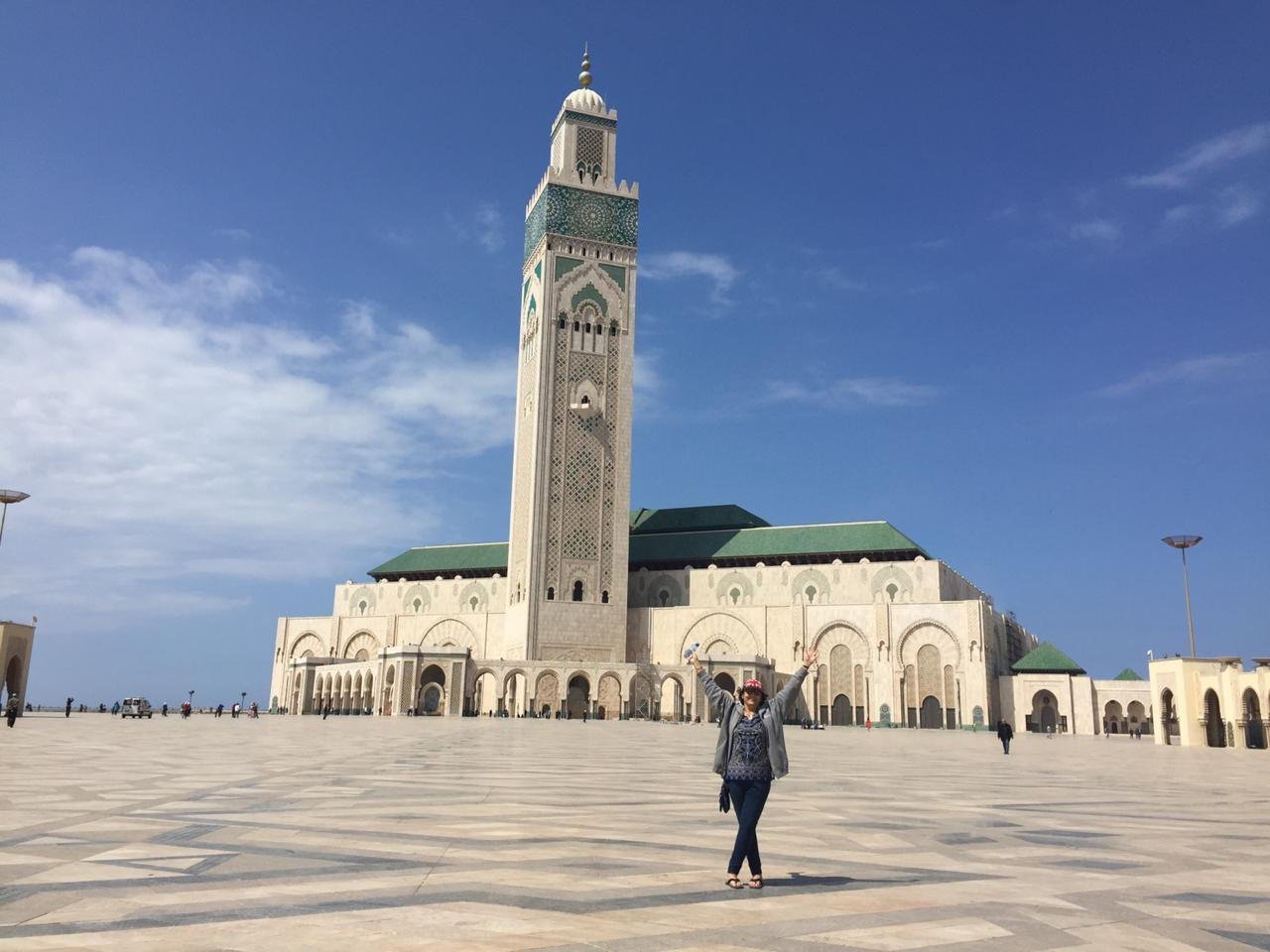
The tour started in Casablanca which is where I Landed. The first impression was like a large Tier II city of India, nothing very distinct. The city’s most notable sight is the Hassan Mosque.
Hassan II Mosque, designed by the French architect Michel Pinseau. It is situated right on the Atlantic Ocean and has room for 25,000 worshippers inside, and a further 80,000 can be accommodated in the mosque’s courtyard. Its minaret is the world’s tallest at 210 metres (690 feet). The mosque is also the largest in North Africa, and the third-largest in the world after Mecca and Medina. Relatively new, the building was not inaugurated until 1993. Cost an estimated $800 million in the construction of the building.
One of the unique features is the roof…..The prayer hall is surmounted by a mobile roof t that can be opened five minutes , thanks to a motorized rolling system.
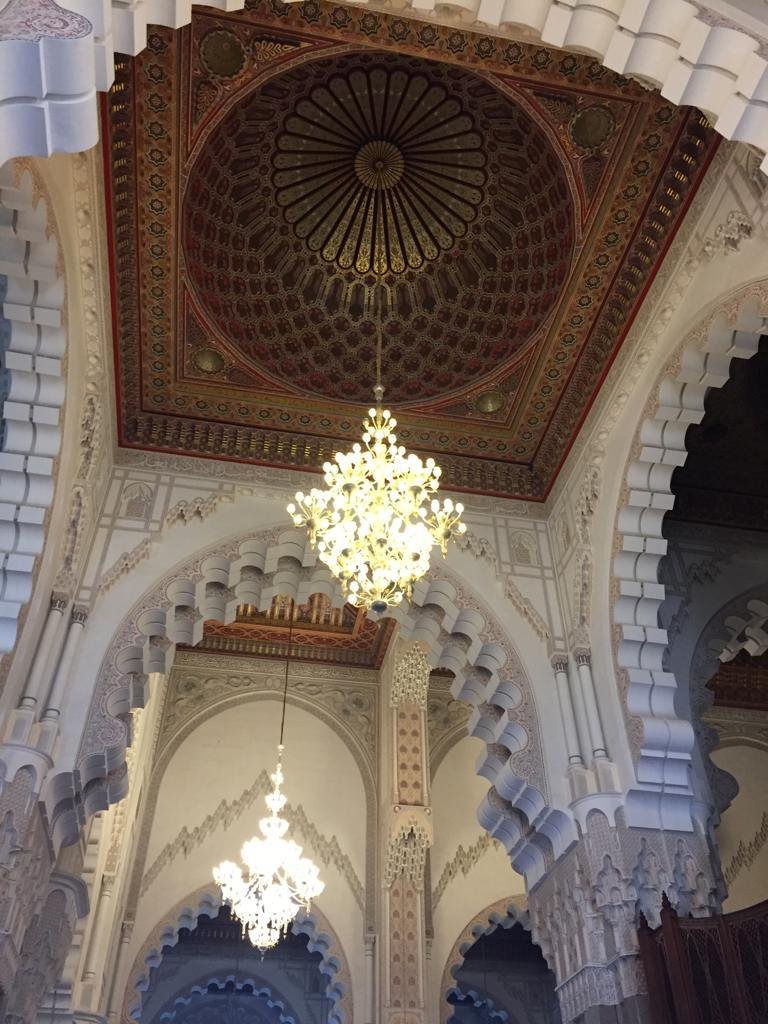
the prayer hall is illuminated by 50 chandeliers and 8 Venetian sconces from Murano , Italy.
The dome in the ceiling is made of cedar wood and then hand painted.
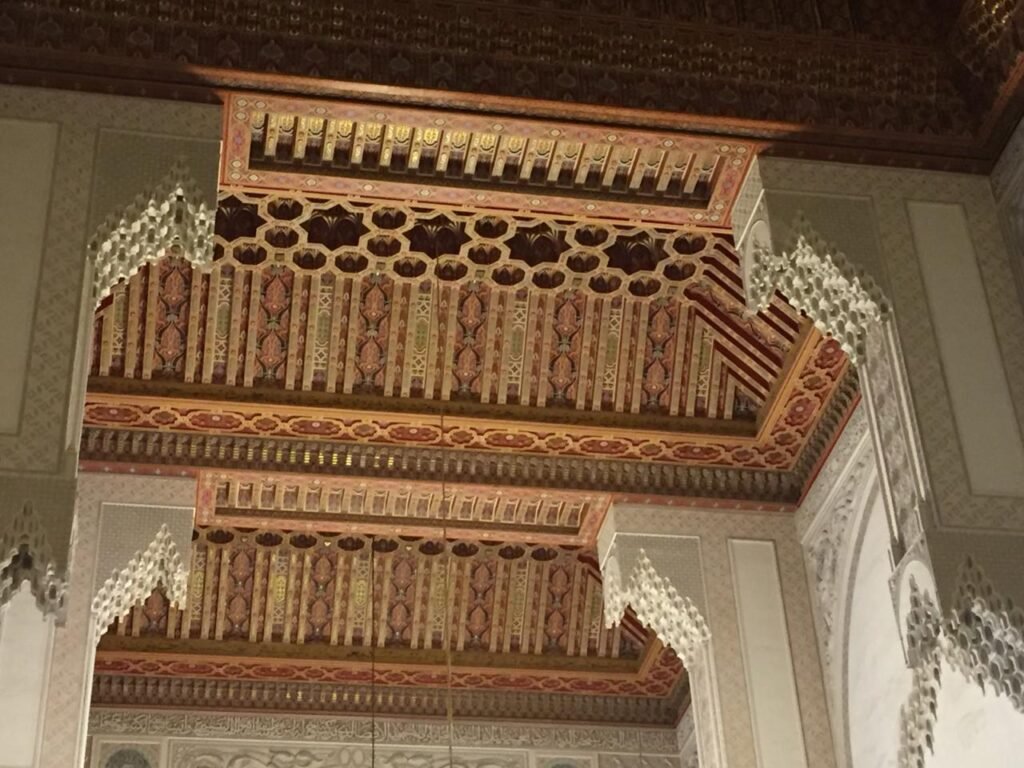
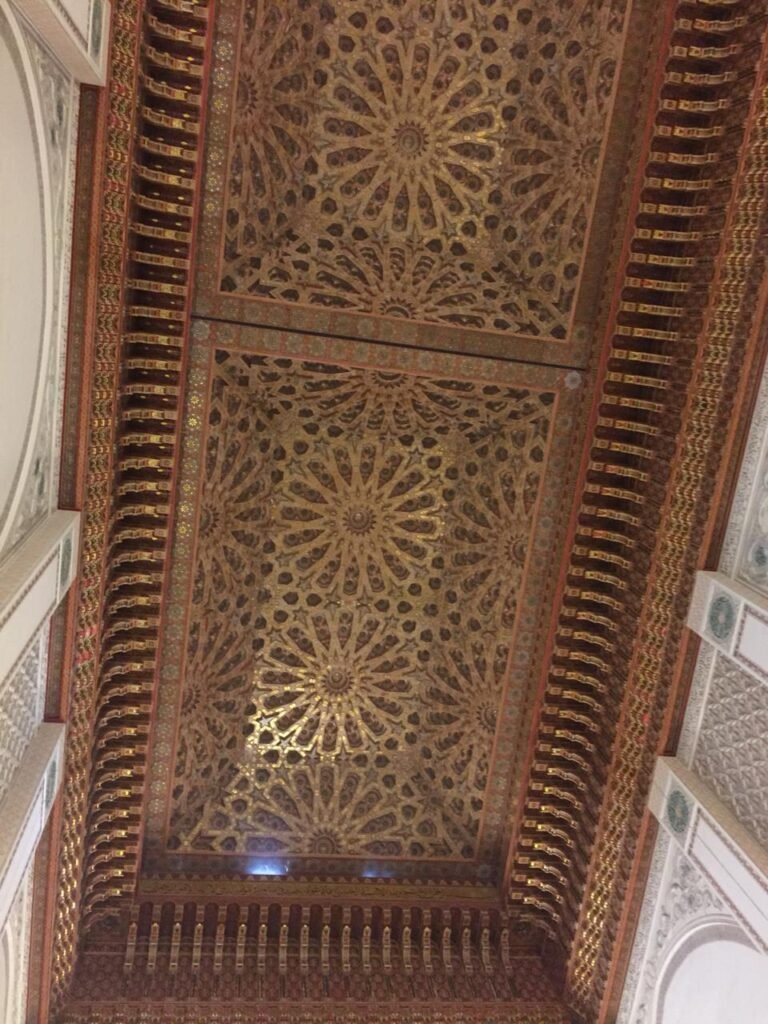
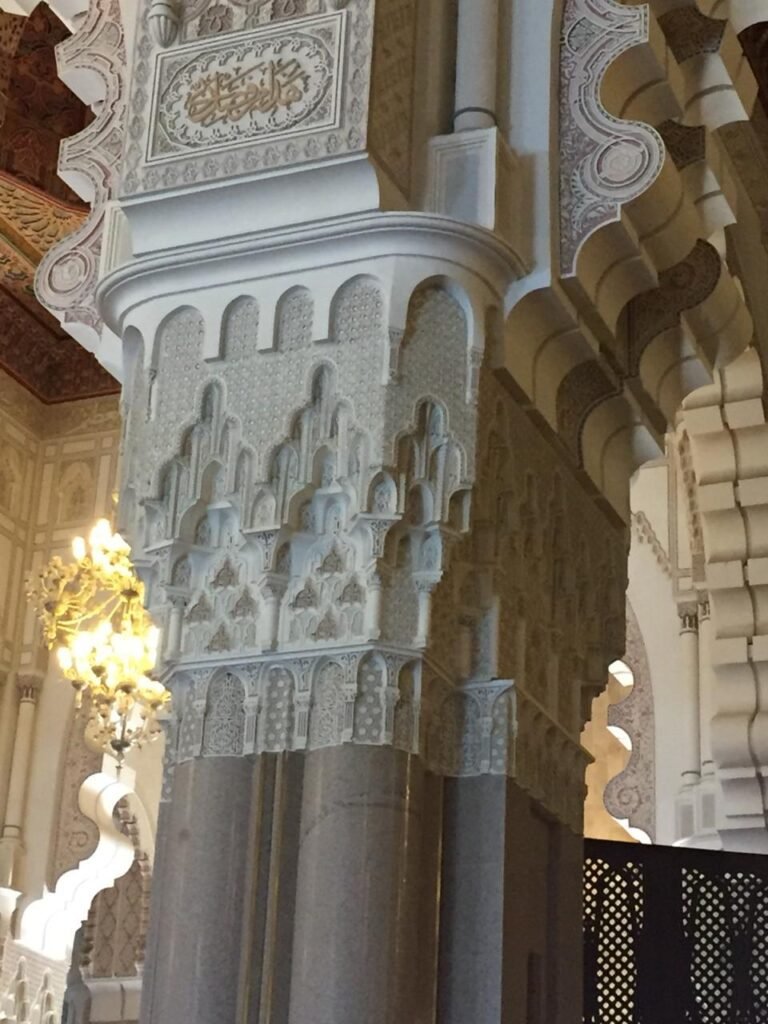
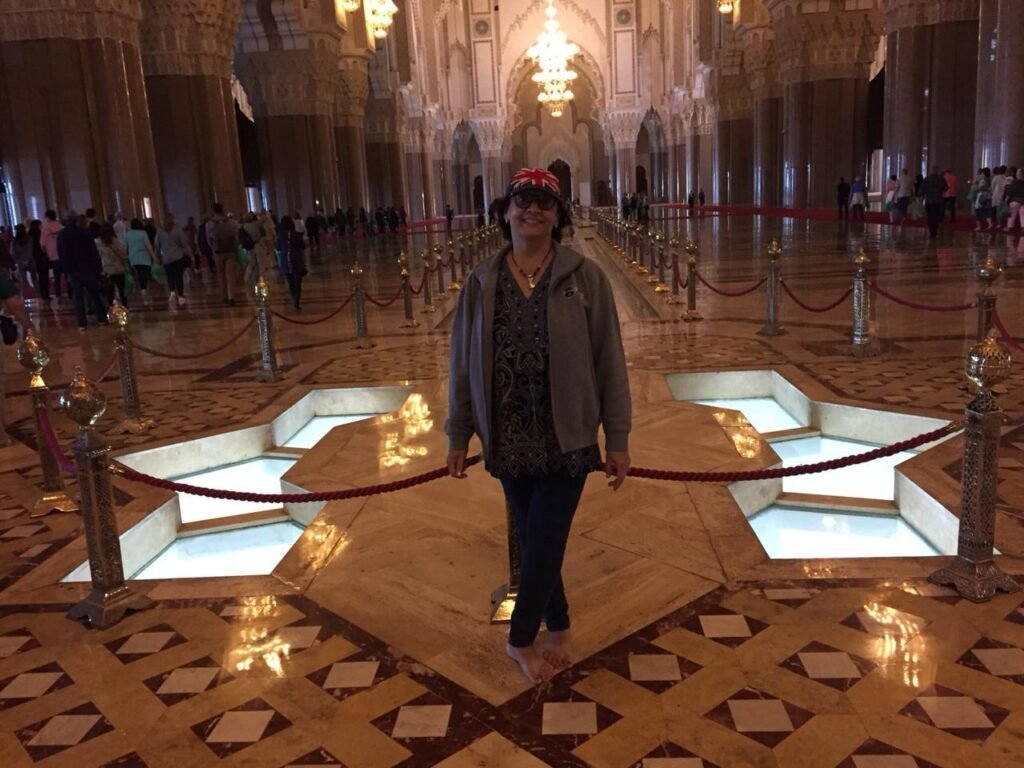
Marble with heated flooring
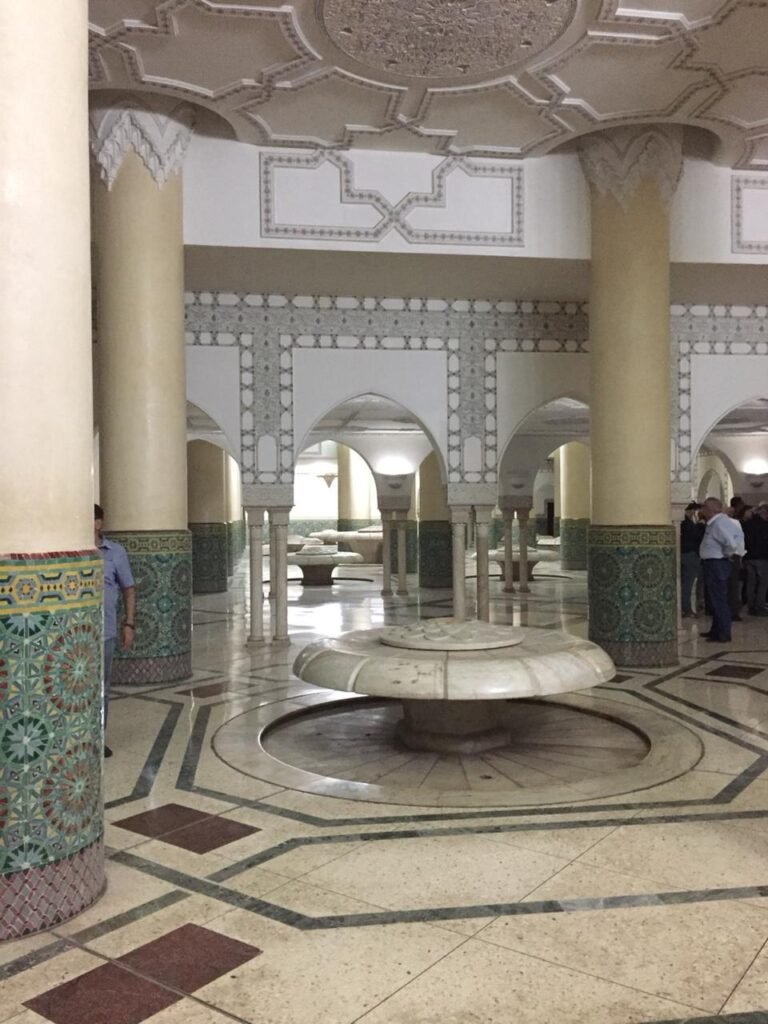
Ablution Hall for body cleansing before praying
Like everything in this mosque is grand, this hall consists of 41 marble fountains in the form of lotus flowers and 600 water
Tangier a Moroccan port on the Strait of Gibraltar, has been a strategic gateway between Africa and Europe .Spain only 14km (9 miles) away, Tangier rests at the most northwestern tip of Morocco, and Africa. The city was as governed by France, Spain and Britain in the past whose distinct influences can be seen in the buildings and culture of the city. It sleazy image is being slowly but surely changed by the opening of large international duty free zones
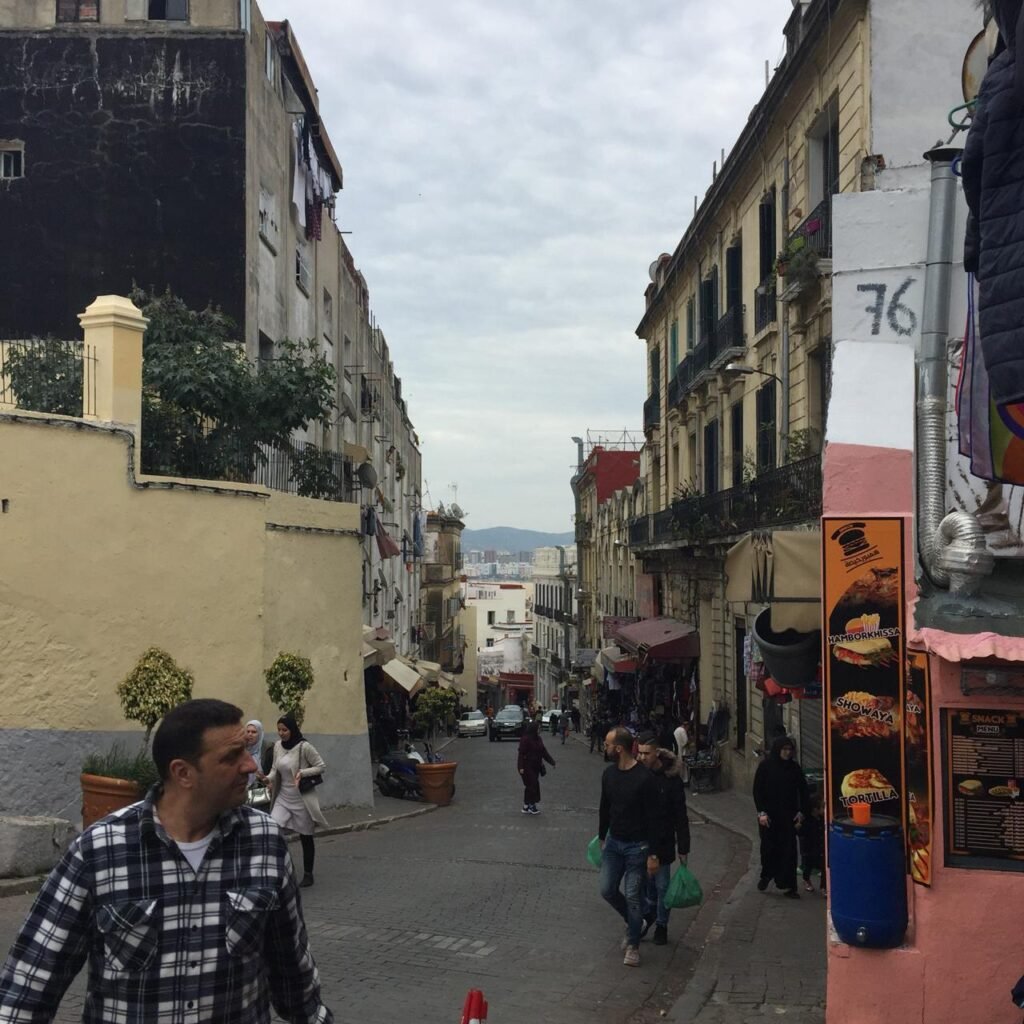
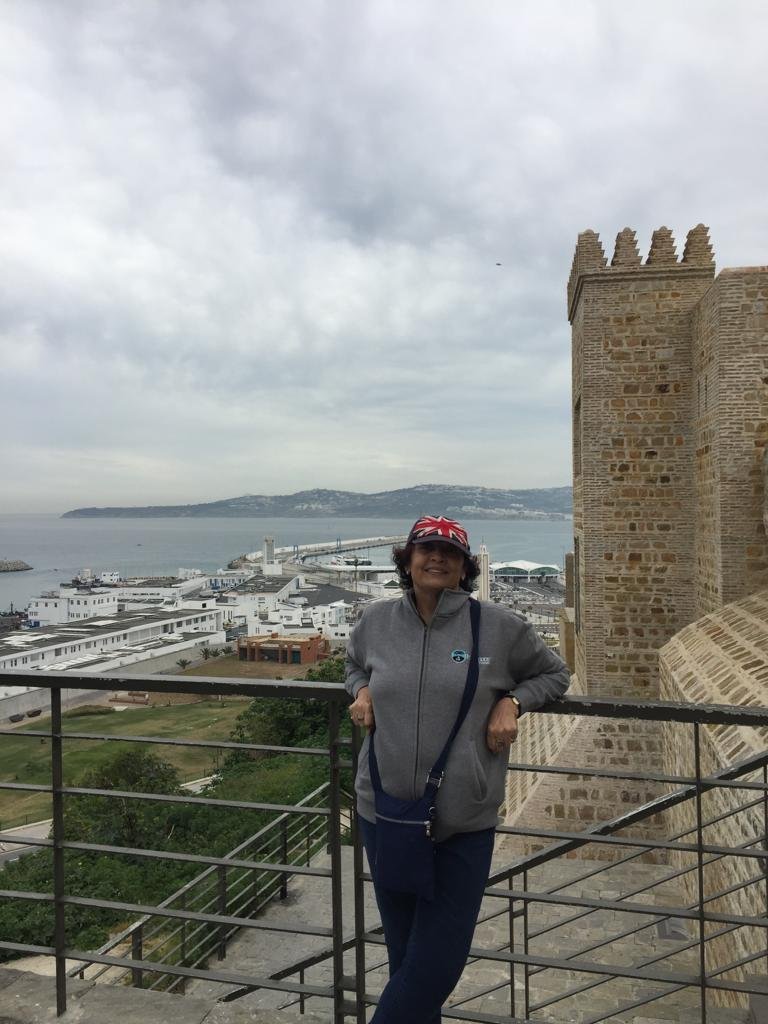
Kaaba – citadel of Tangier
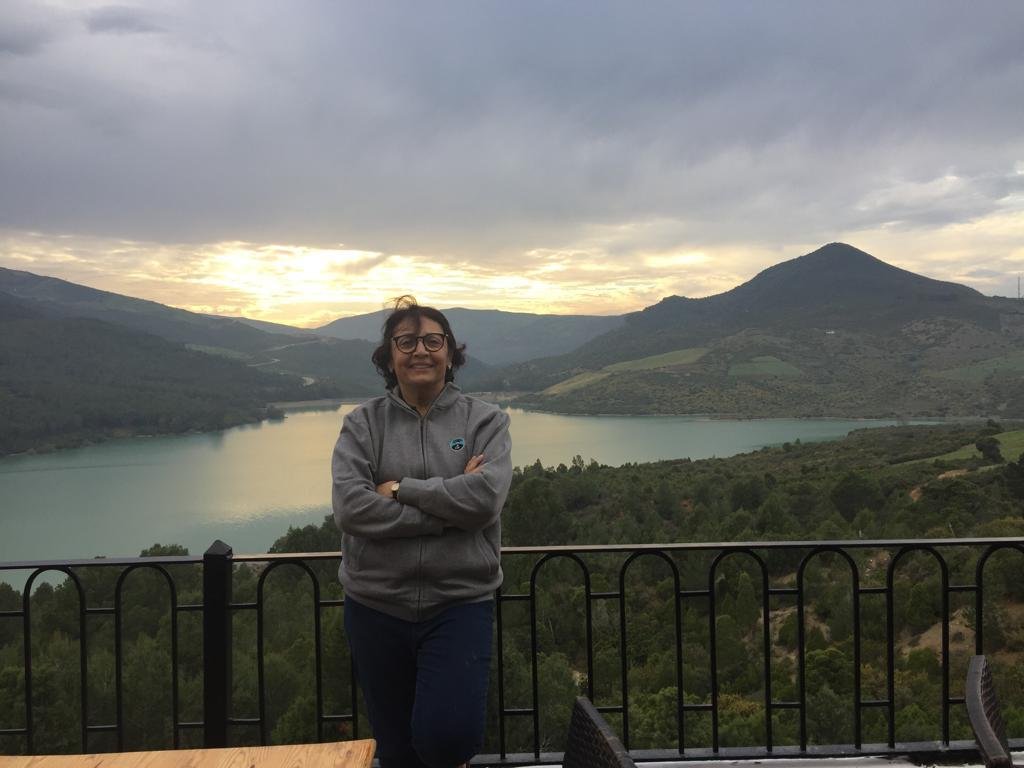
Man made lake on way from Tangier to Chefchauhoen
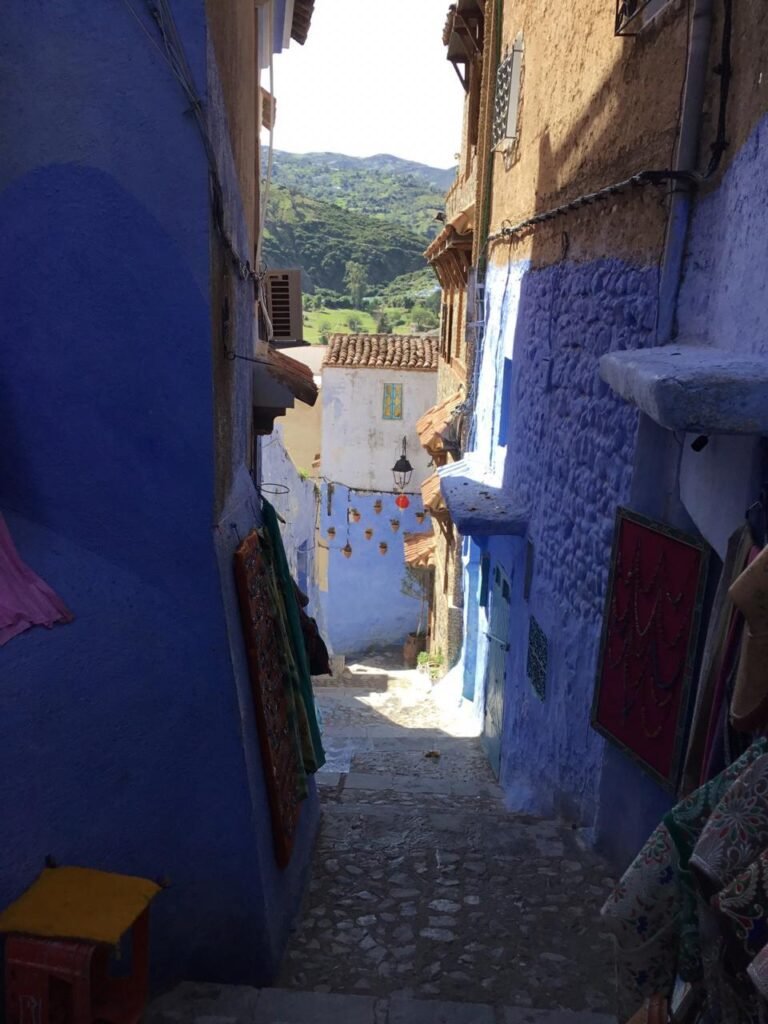
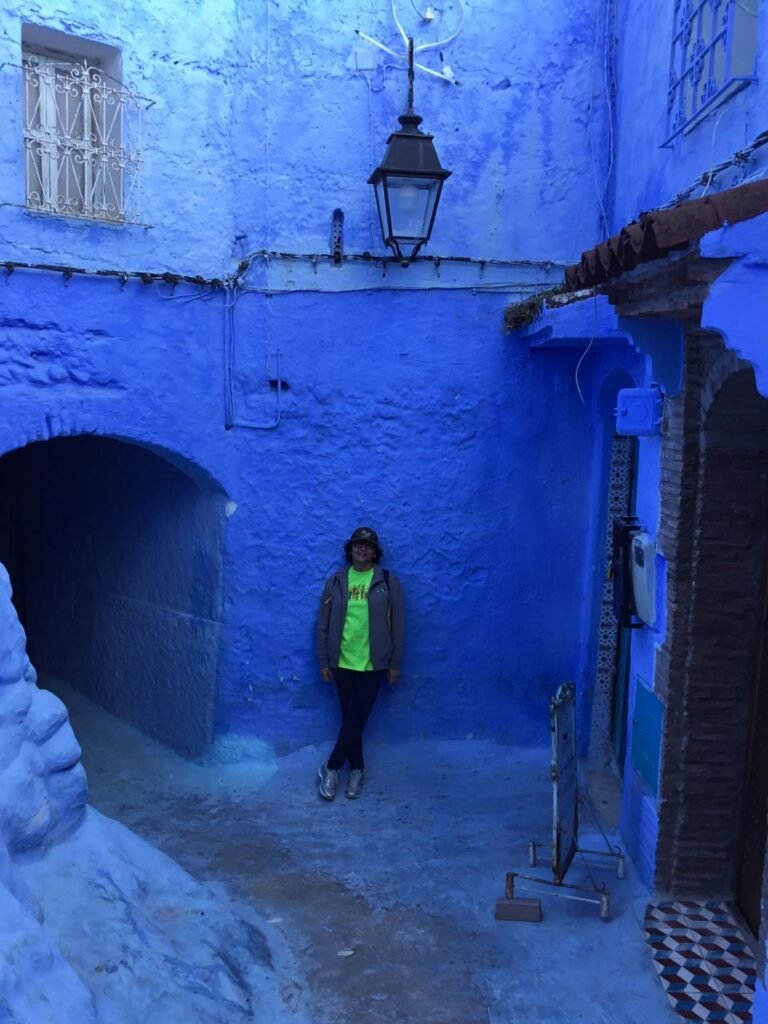
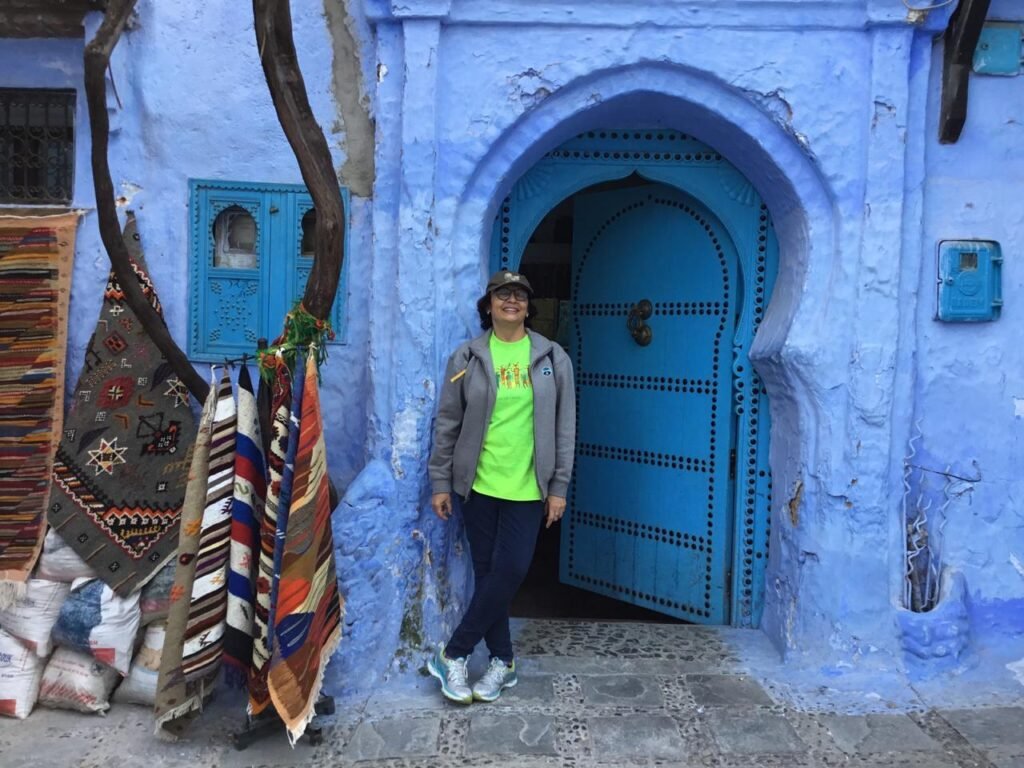
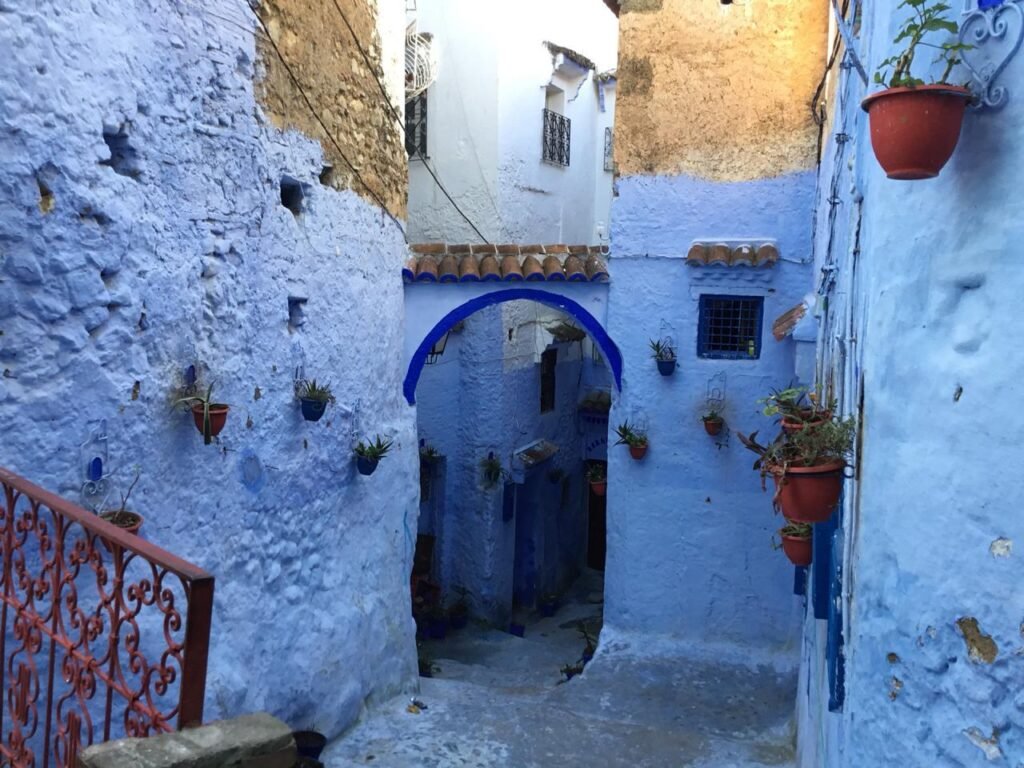
Beautifully perched beneath the raw peaks of the Rif, Chefchaouen is one of the prettiest towns in Morocco, an artsy, blue-washed mountain village that feels like its own world. The blue color washed city is one of the big tourist attractions of Morocco. The blue color is attributed to the Jews whopainted blue . The Jews first settled here after fleeing Hitler and before moving to Israel.
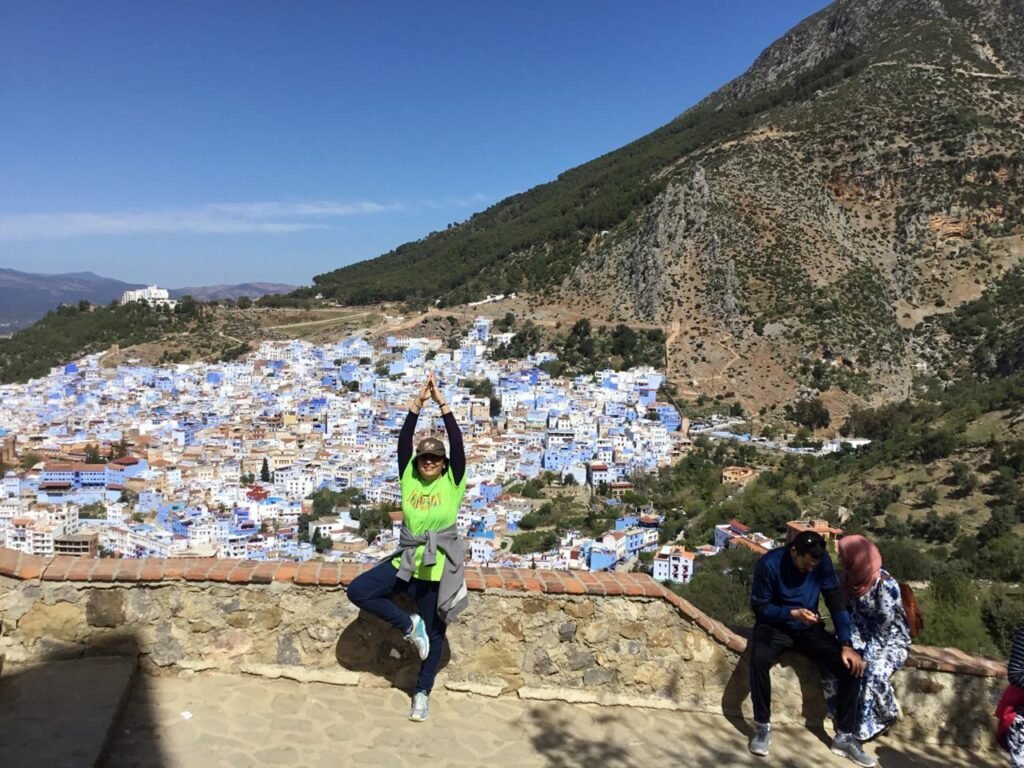
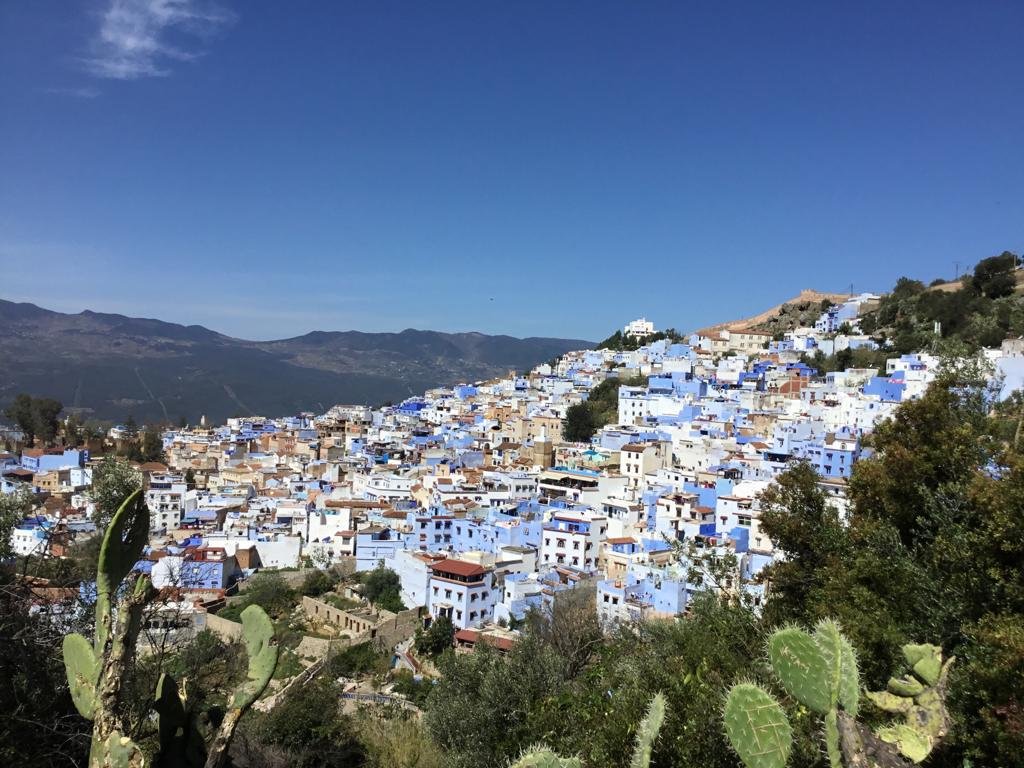
The following are all pictures inside the city Médina—- walled fortress
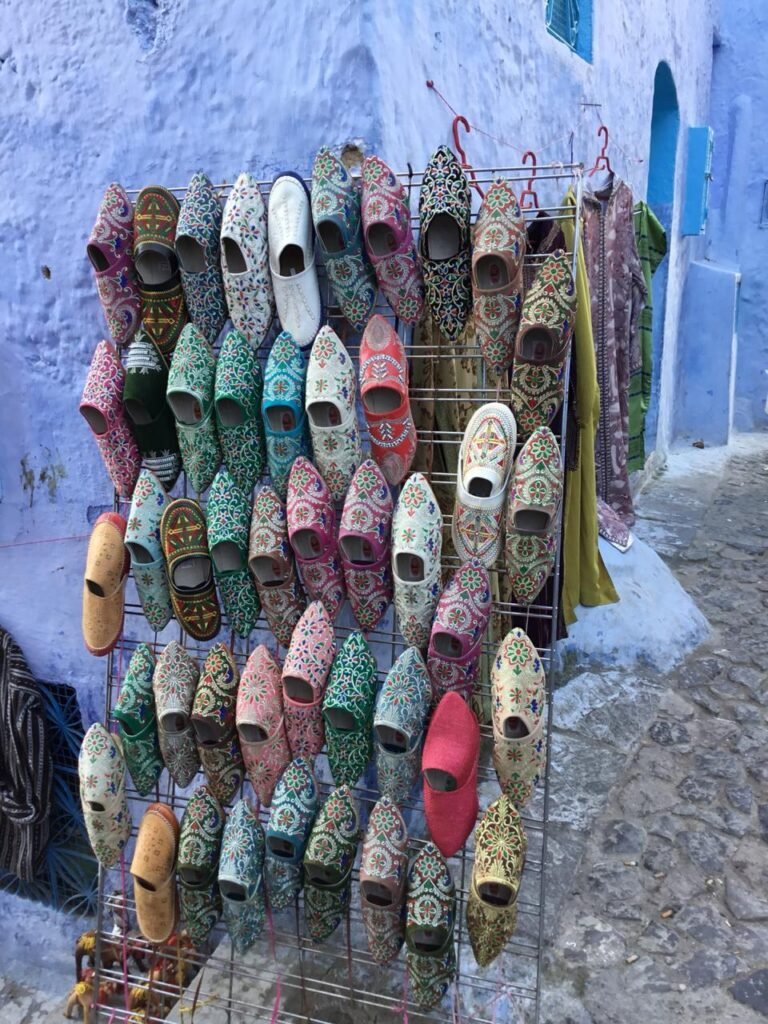
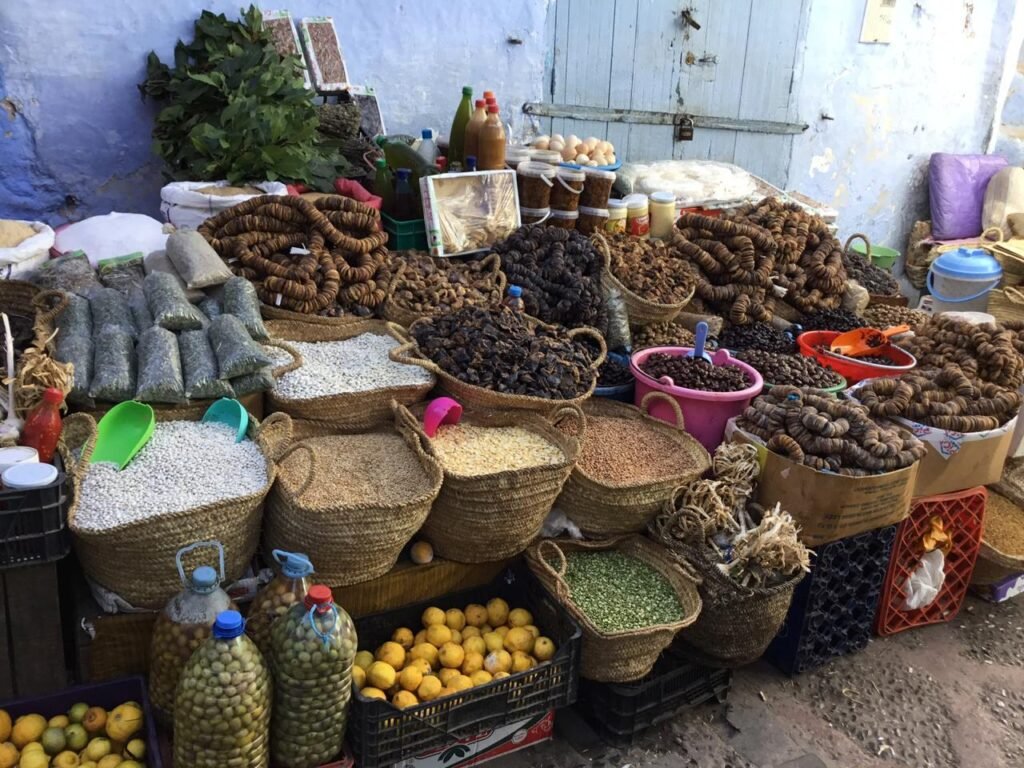
From parsley to figs to grains to multiple varieties of lemons Olives cheese the works……
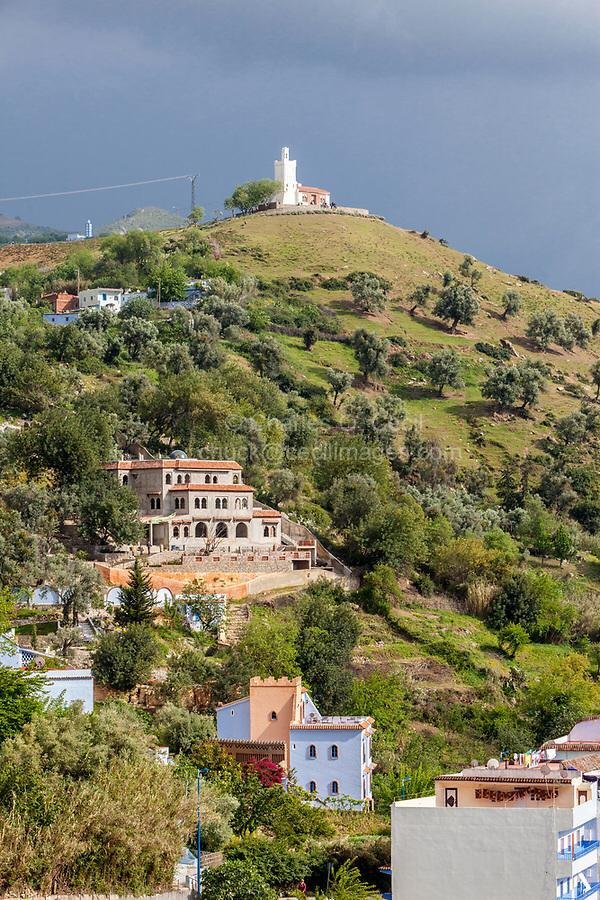
The overall hike up to the Spanish Mosque was exhilarating, the view breathtaking
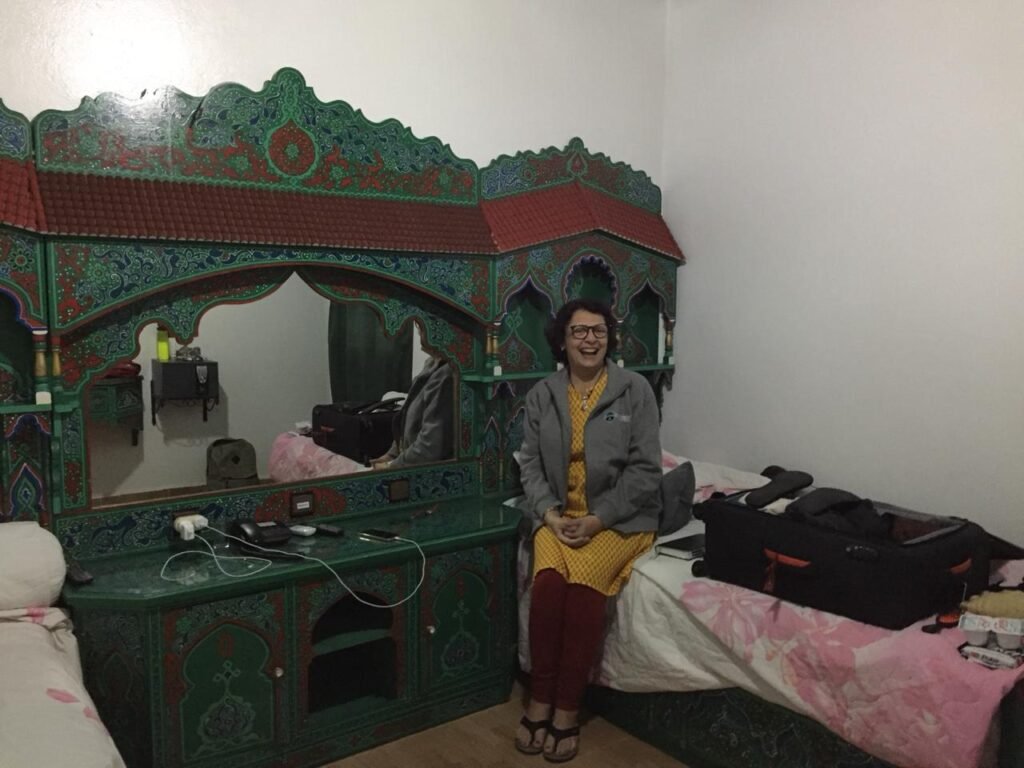
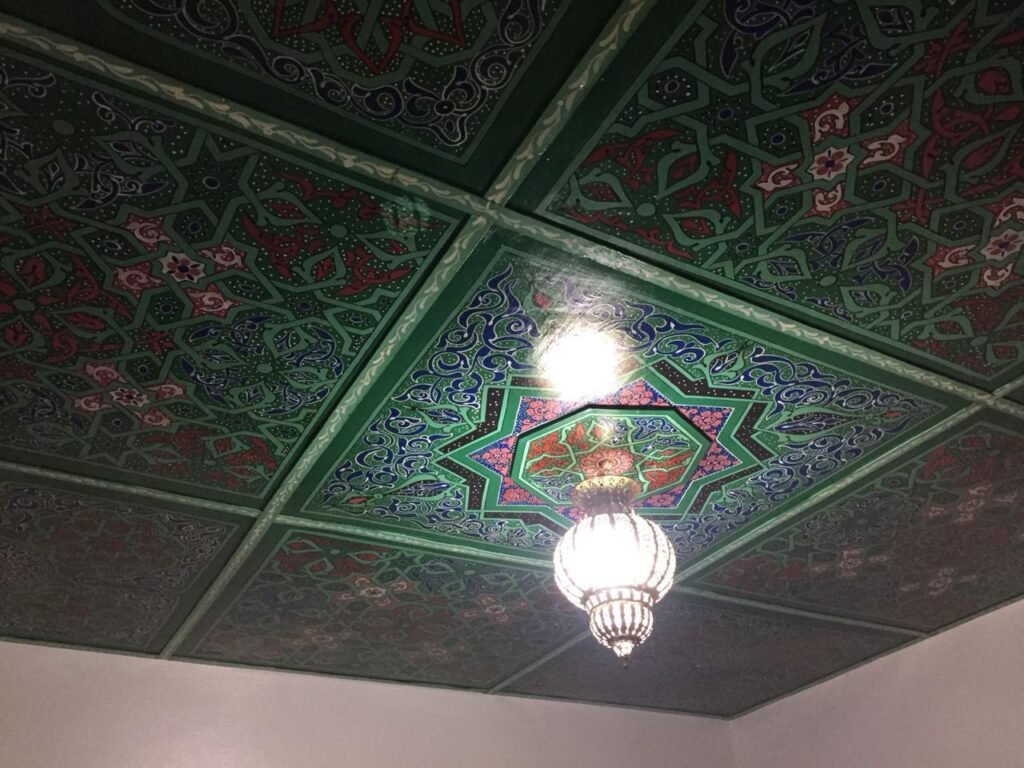
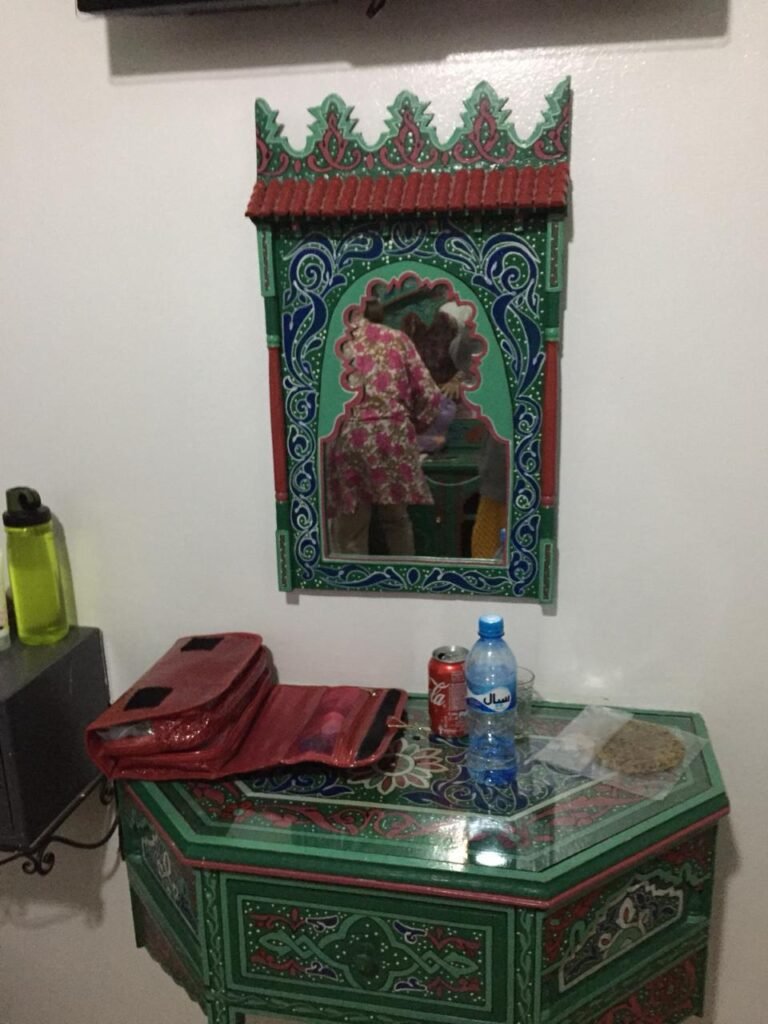
Colorful rooms in the hotel blue , green , red , pink rooms take ur pick
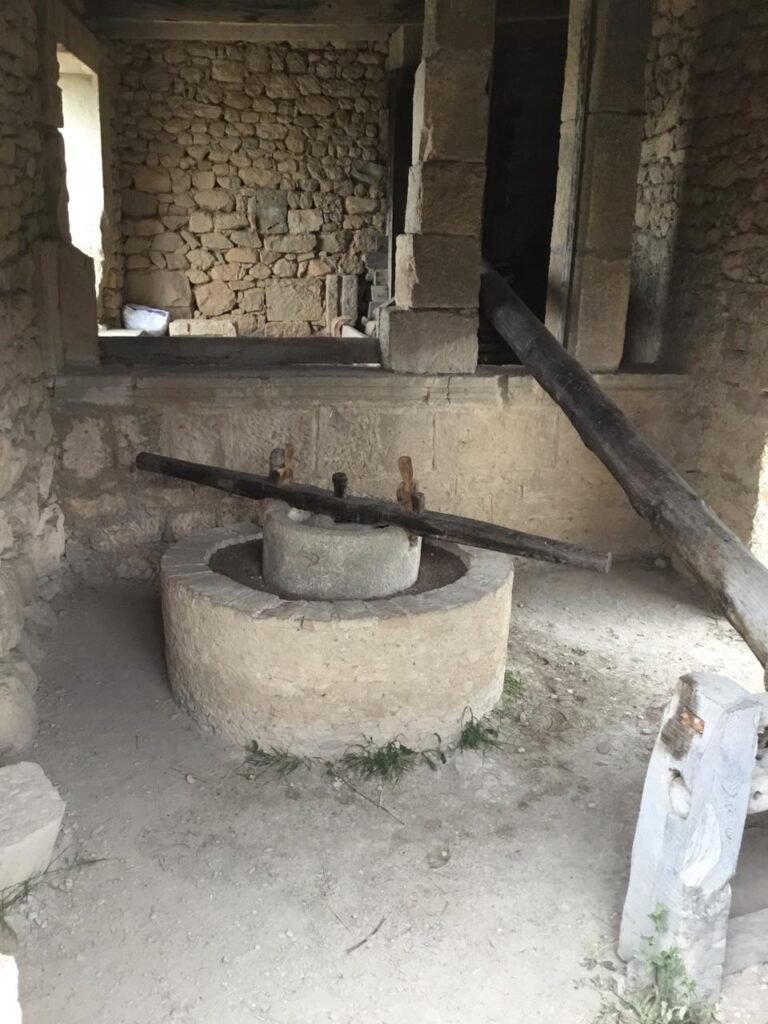
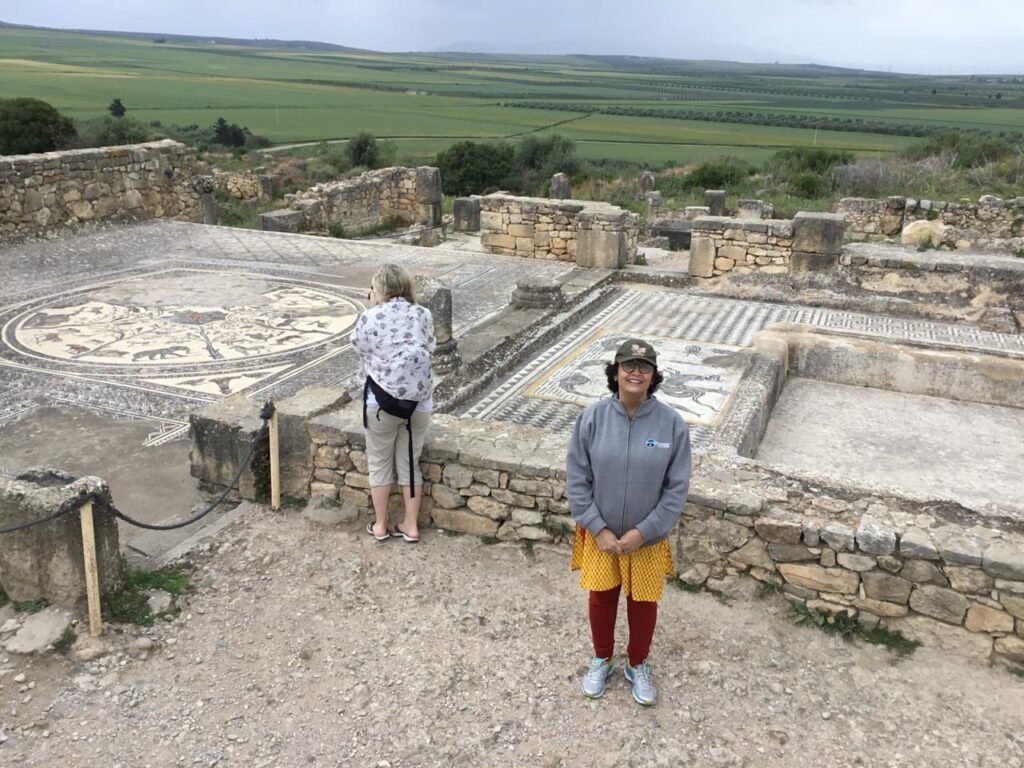
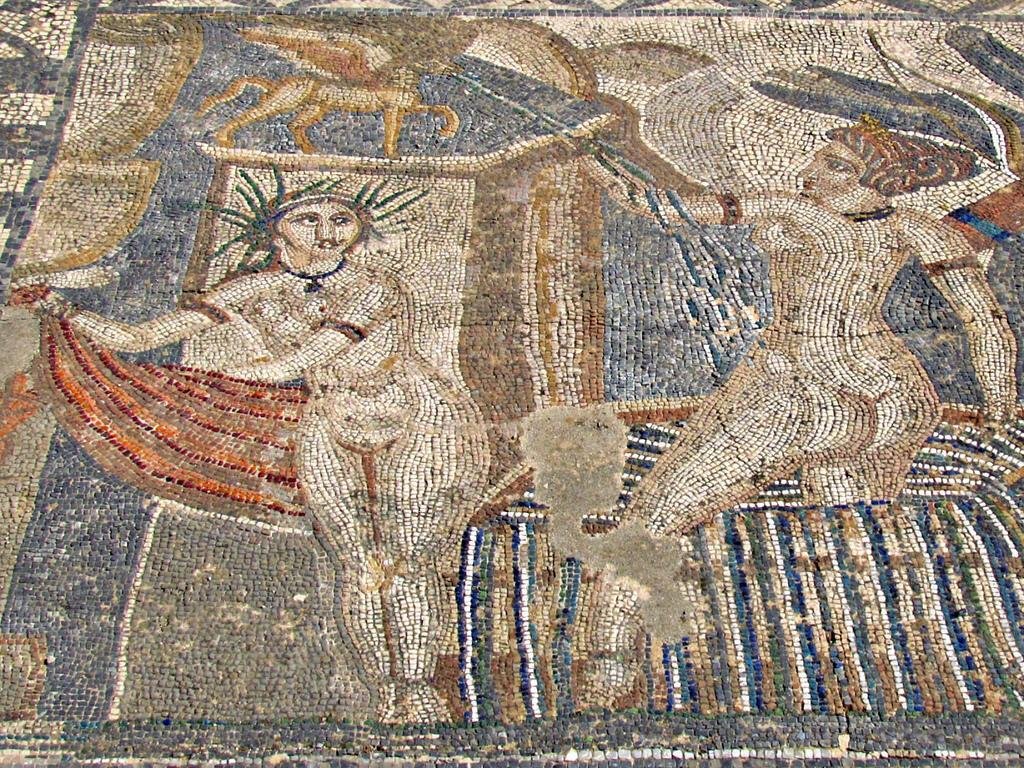
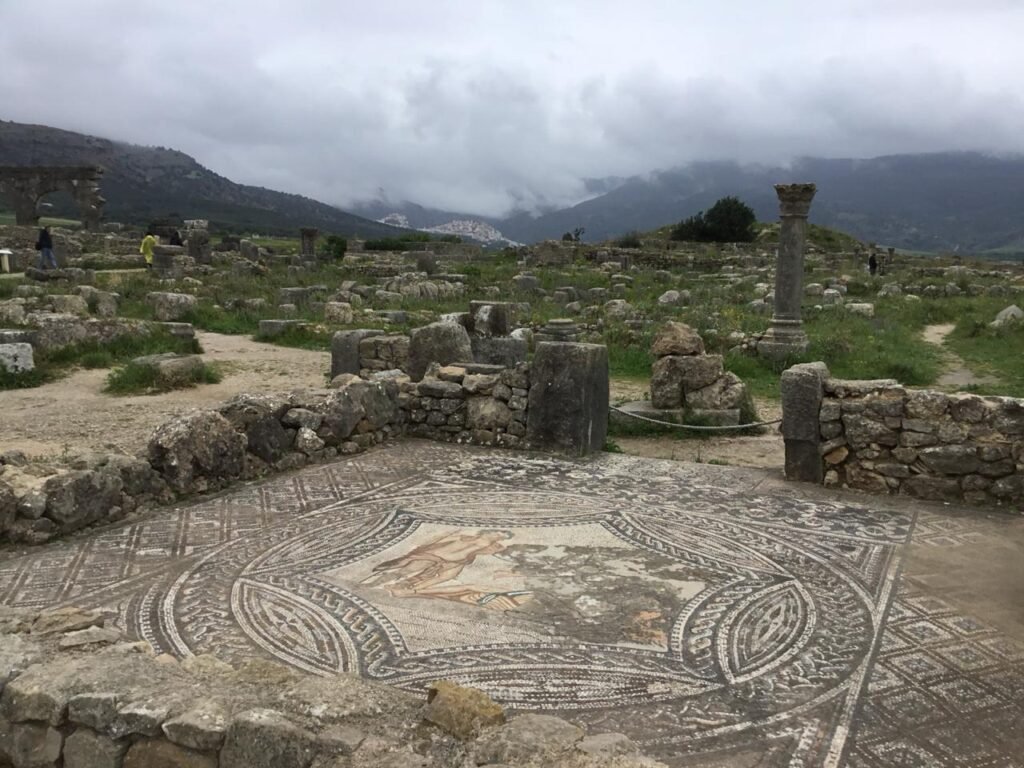
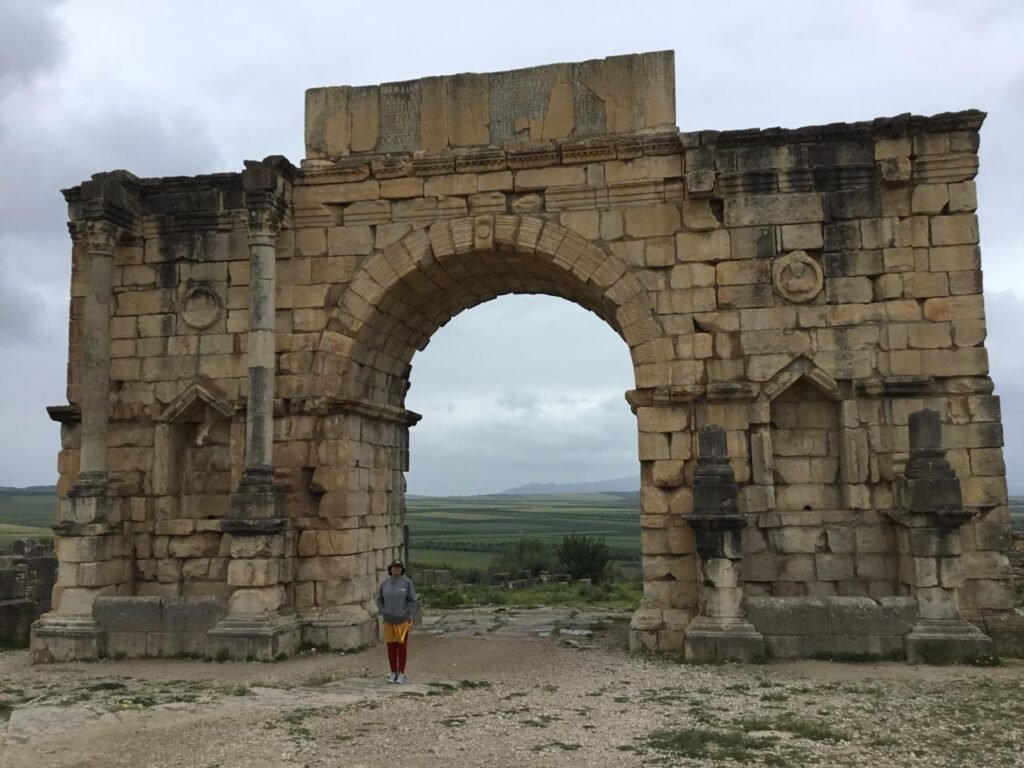
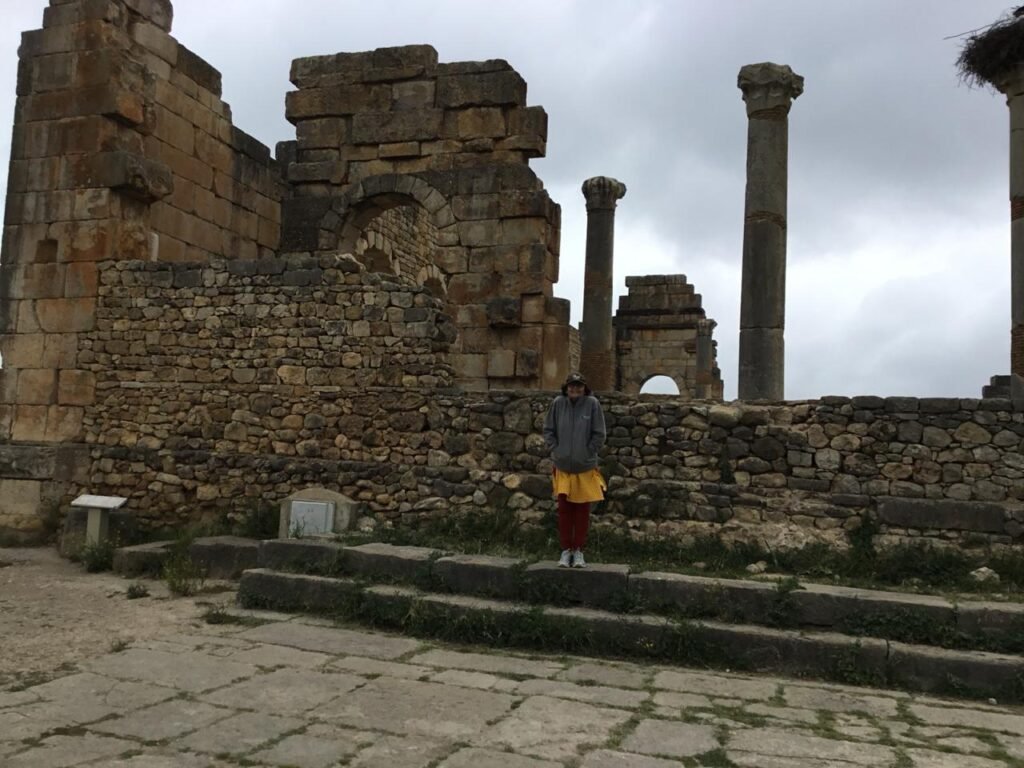
The first Berber and then Roman Roman city of Volubilis is the best-preserved archaeological site in Morocco. Its most amazing features are its many beautiful mosaics preserved in location .
The city gained a number of major public buildings in the 2nd century, including a basilica, temple and triumphal arch. Its prosperity derived principally from olive growing, prompted the construction of many fine town-houses with large mosaic floors.
Fes the cultural center of the country, and one of the most important religious centers was founded in the late 8th century. Fes it seems, is frozen in time.
The medina is world’s largest urban car-free zones ….mules, donkeys and pedestrians.
Fes isknown for its Fes El Bali walled medina, with medieval architecture, vibrant souks and old-world atmosphere. The University of Al Quaraouiyine is Recognized by the Guinness World Records as the oldest existing educational institution in the world, and is decorated with elaborate cedar carvings and ornate tile work.
Outside of the old medina, beside the royal palace with its hefty brass doors, is Fes Mellah, the Jewish quarter.
Not to be missed experience is a visit to the tanneries , I’ll describe the process with the pics below
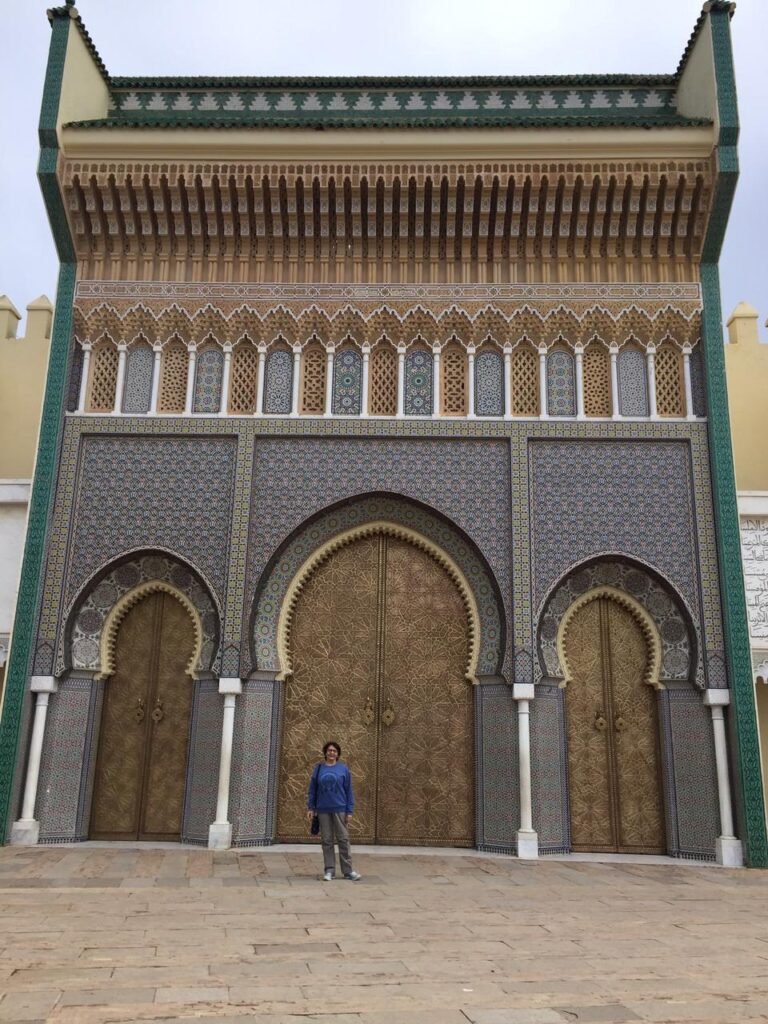
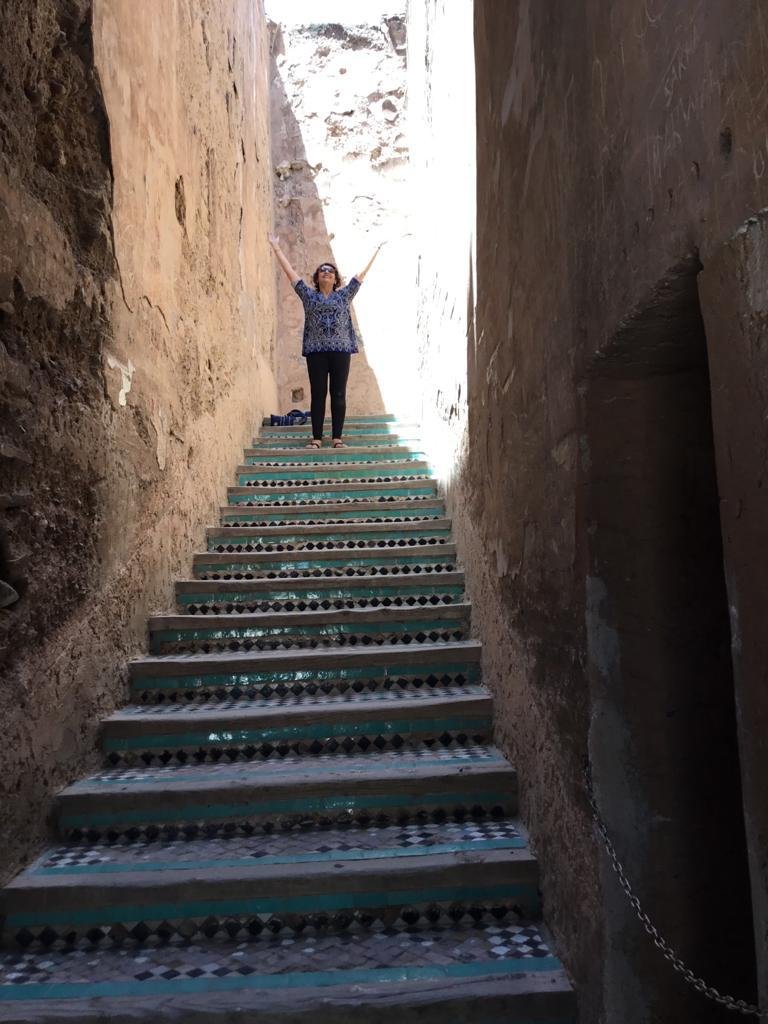
Royal palace doors. See the layers of wood workmanship, tiles and mosaics
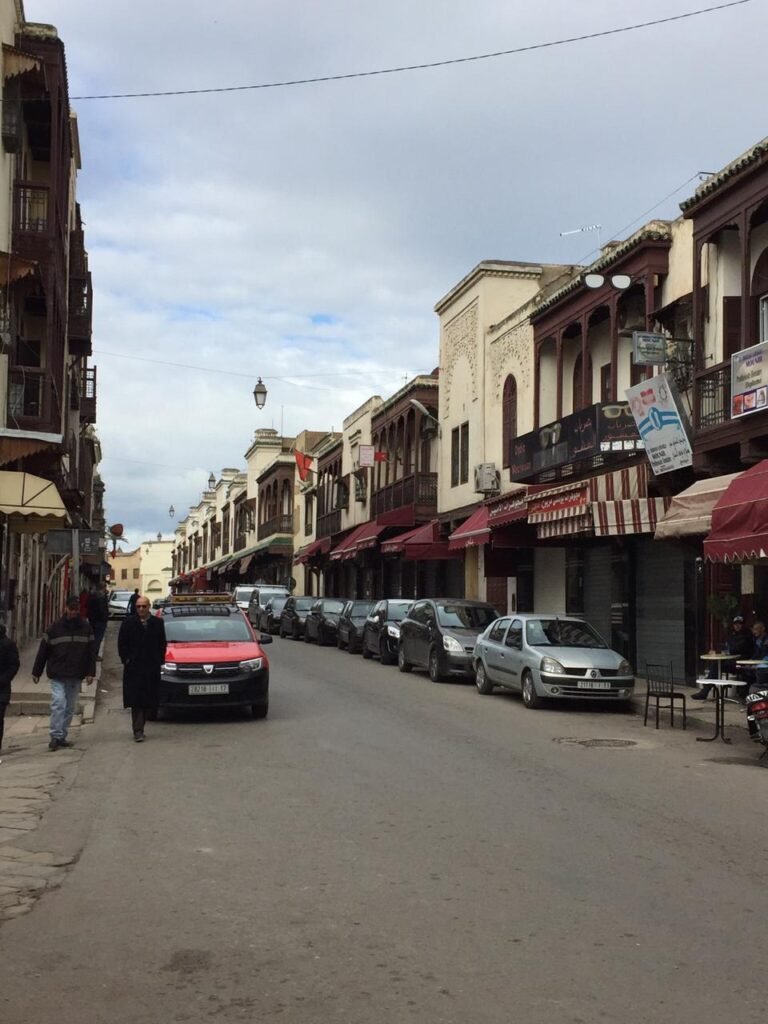
Jewish Quarter
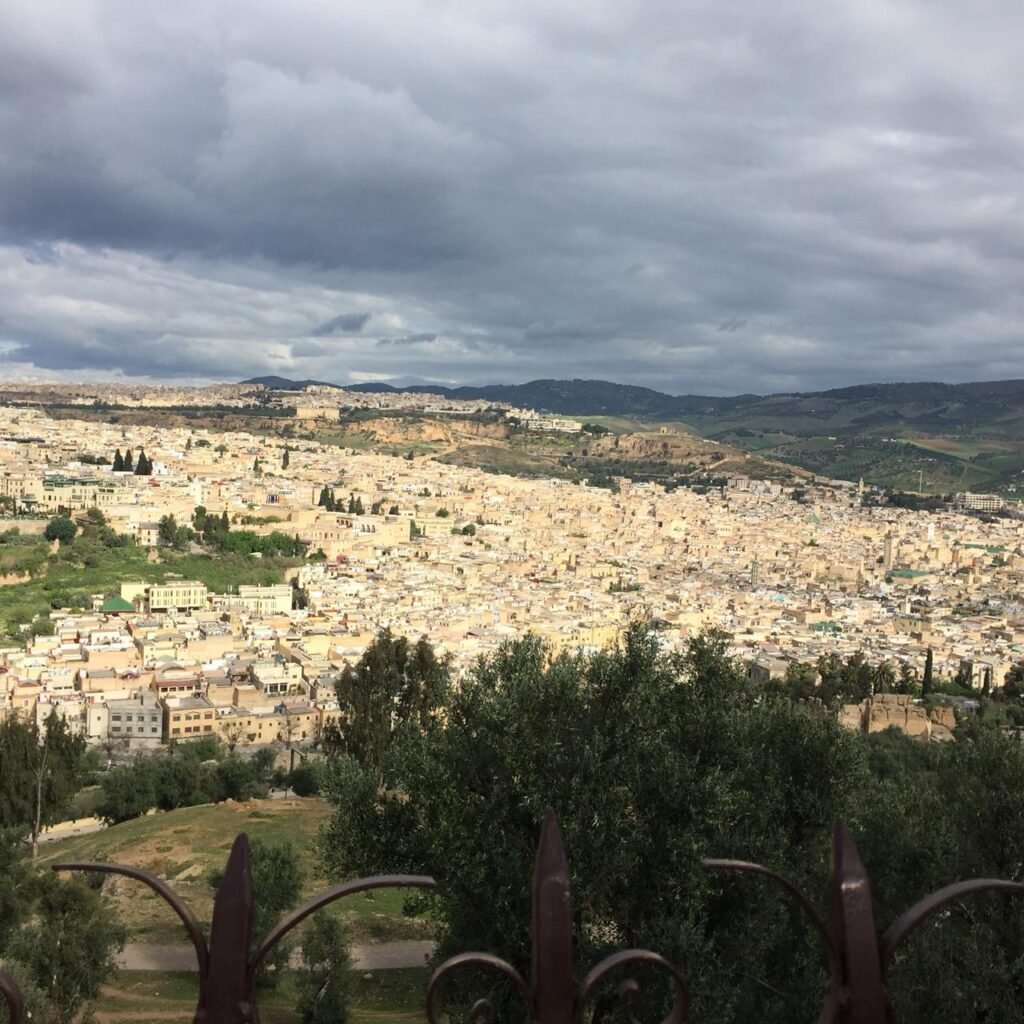
A view of Fes Médina from the top
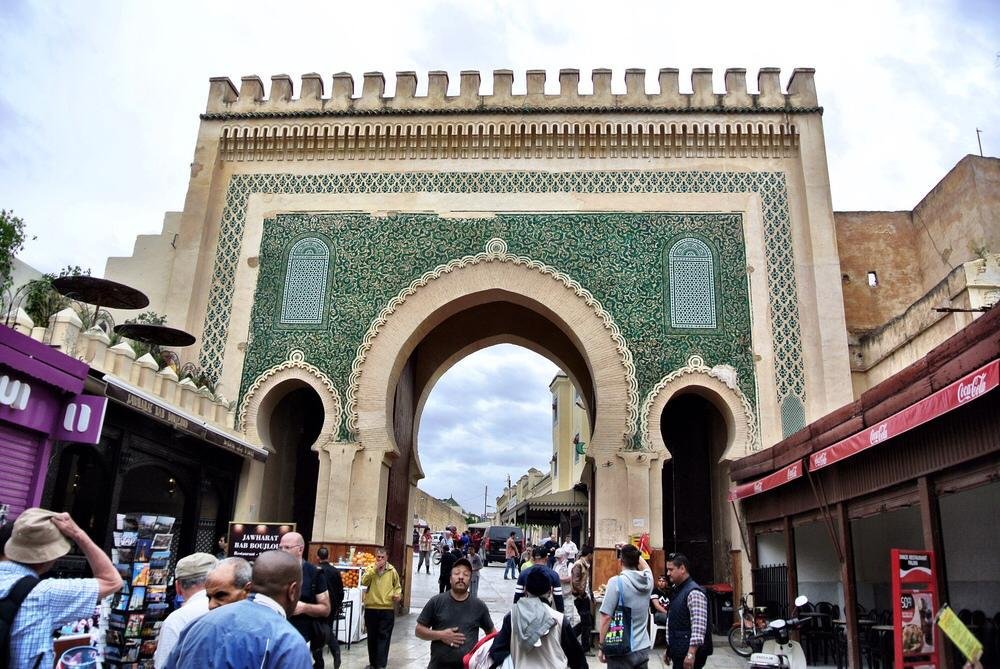
Bab Boujloud Gate, one of the main entrances. The Medina covers a 9km sq area. iriginally built to house 50,000 people it houses over half a million and 3 million at peak times
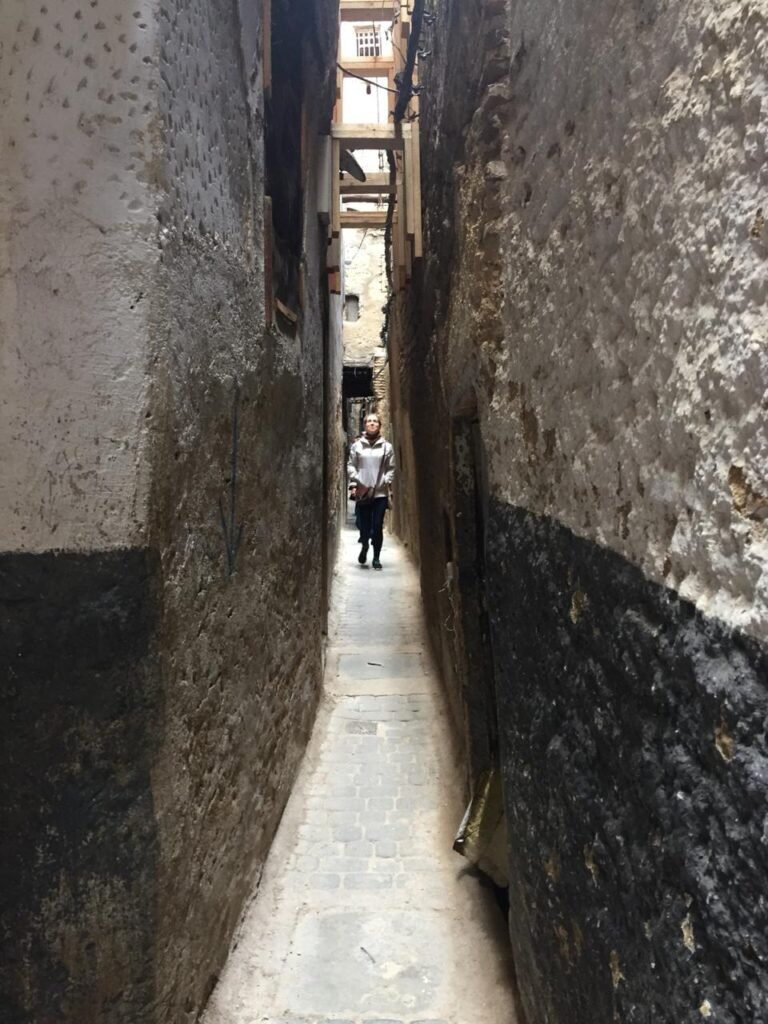
Thousands of alleys some less than two ft apart
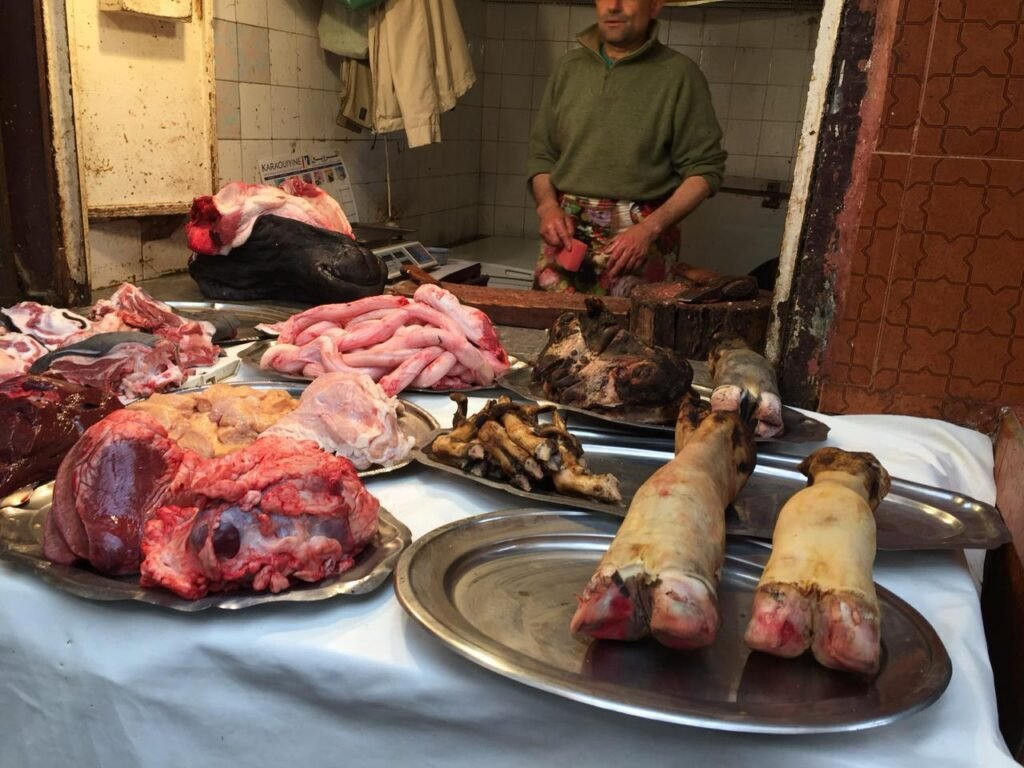
Trotters and sheep head a delicacy
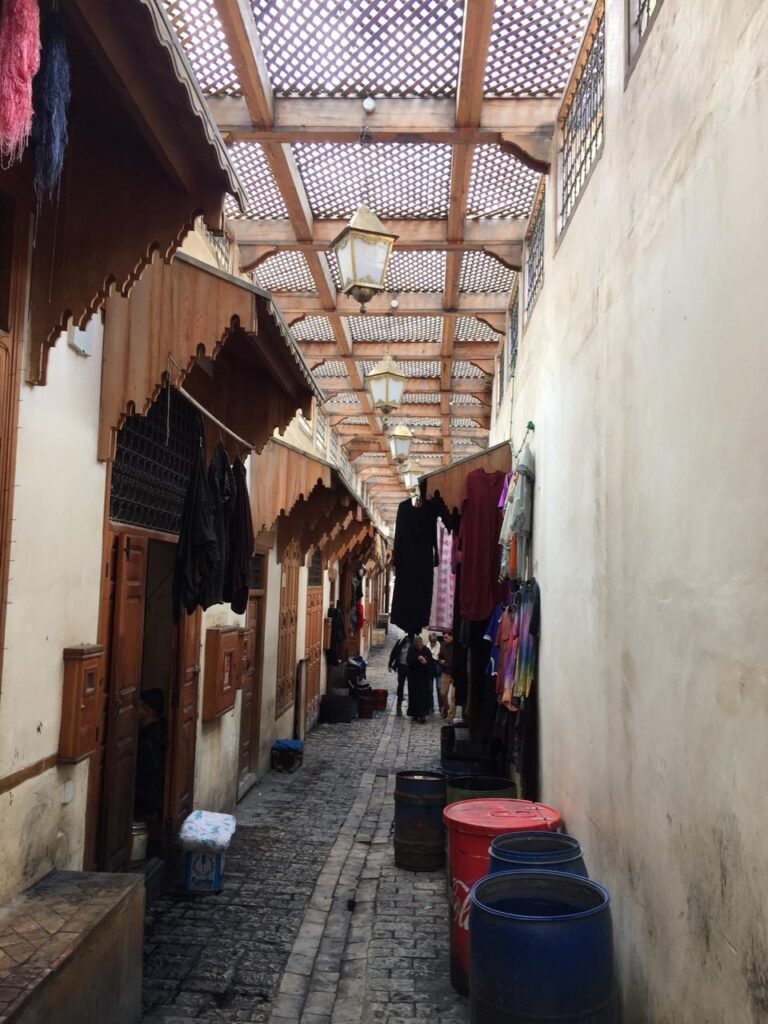
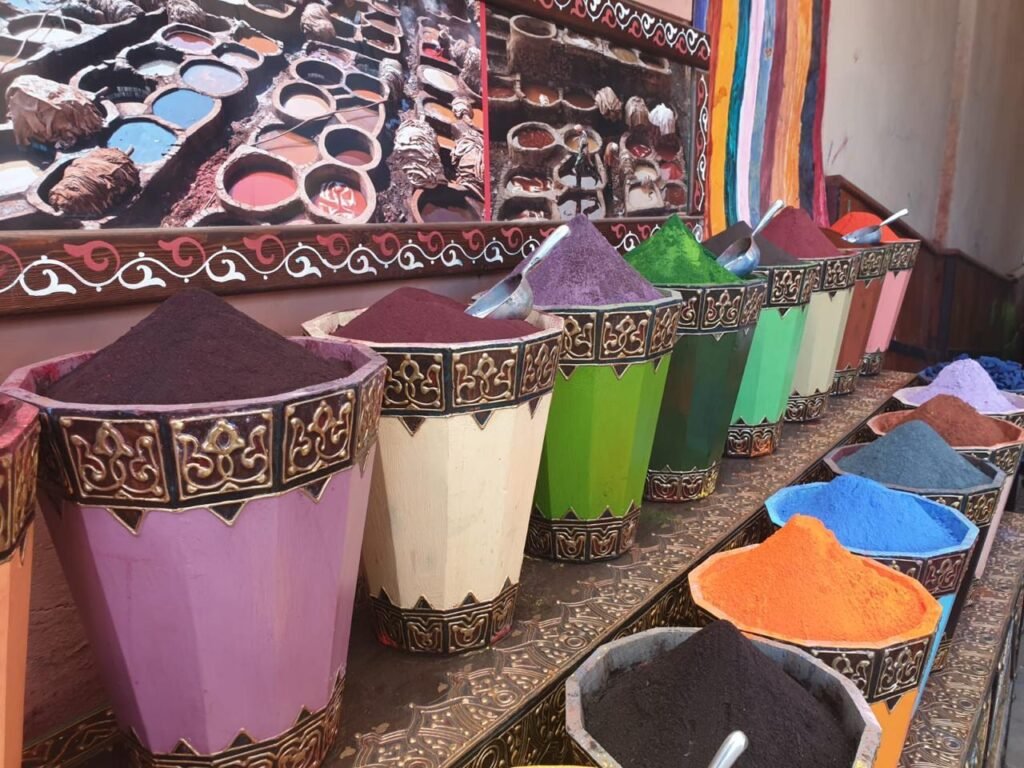
The Dyers lane
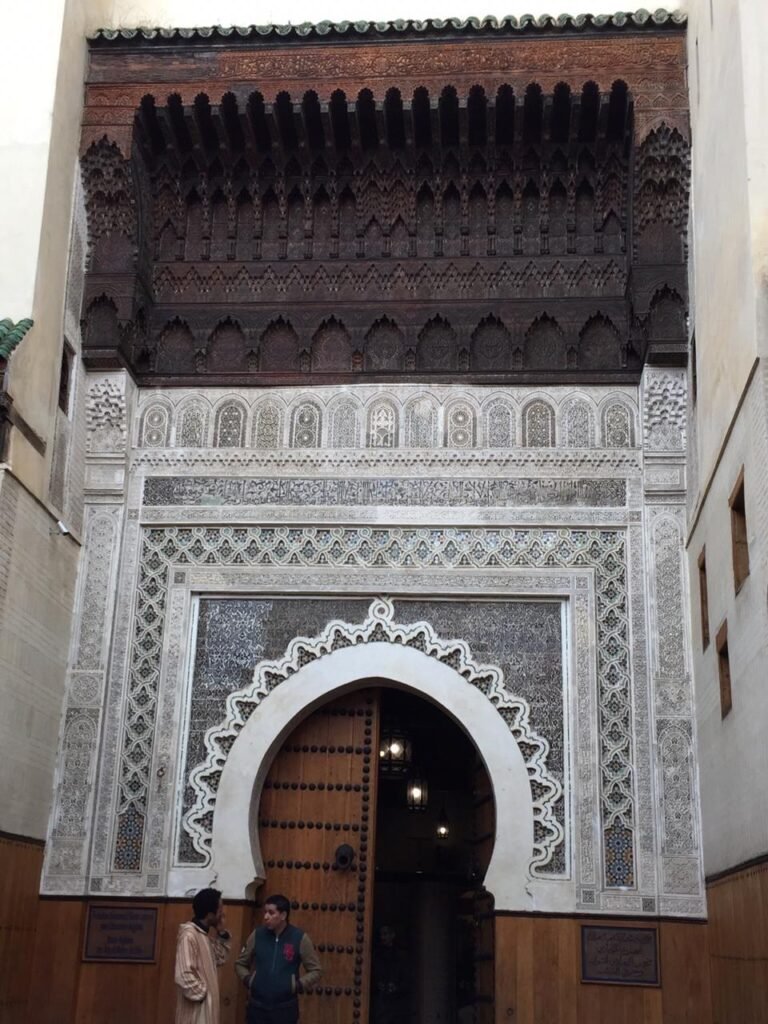
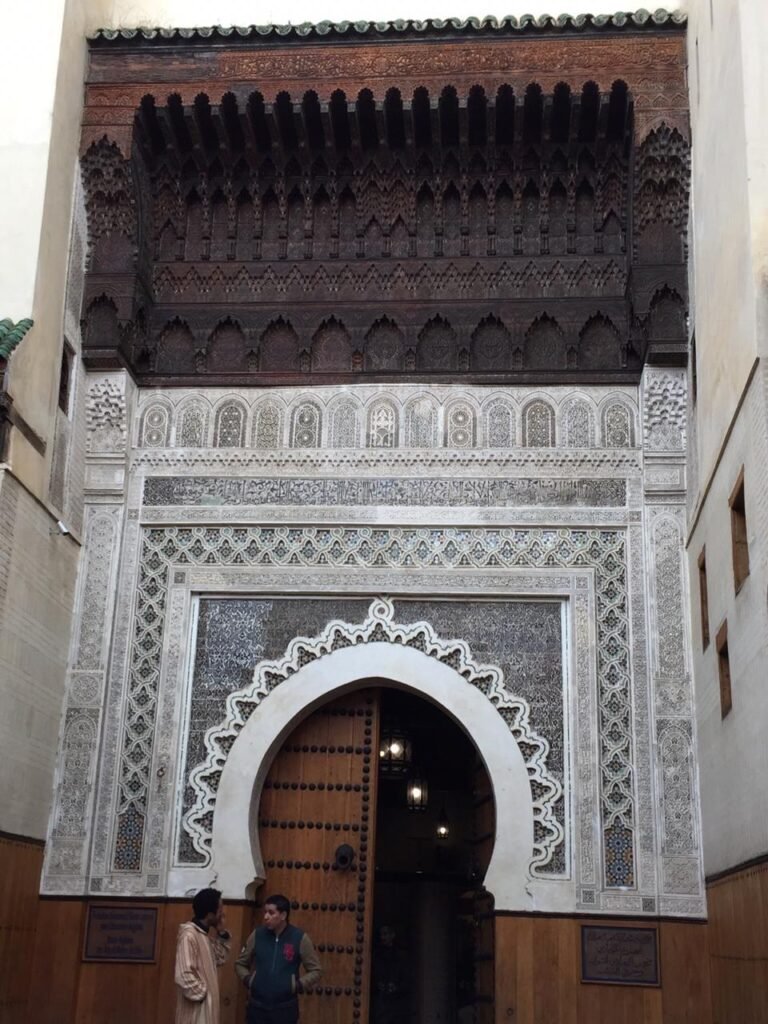
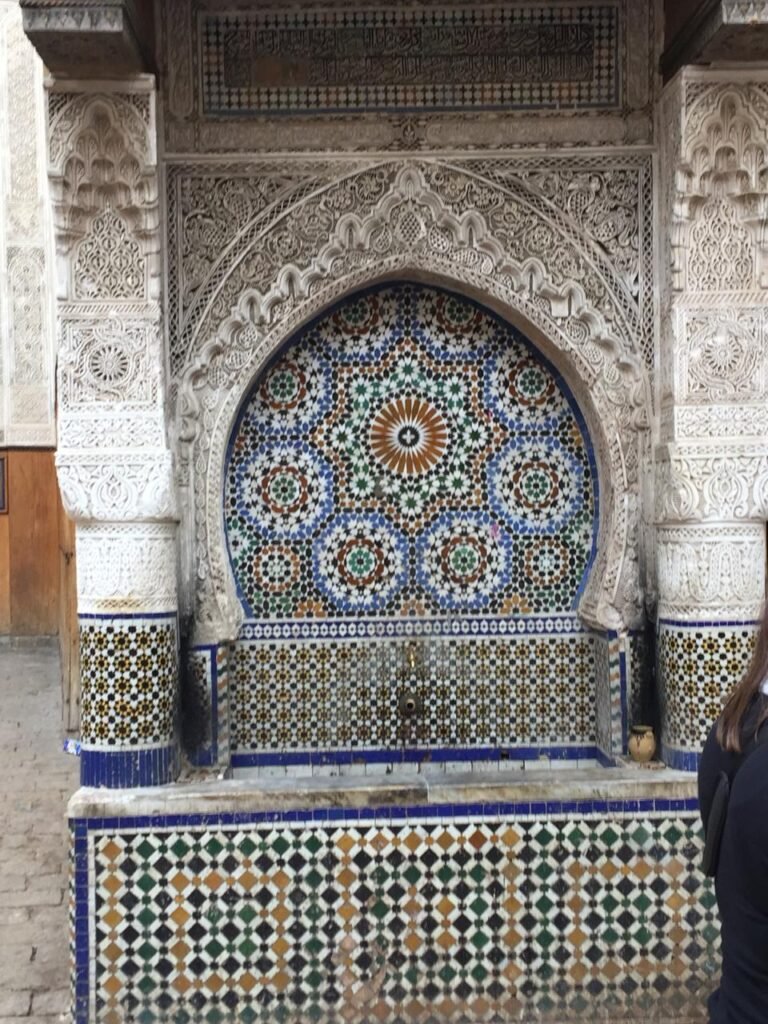
University, mosques non Muslims not allowed
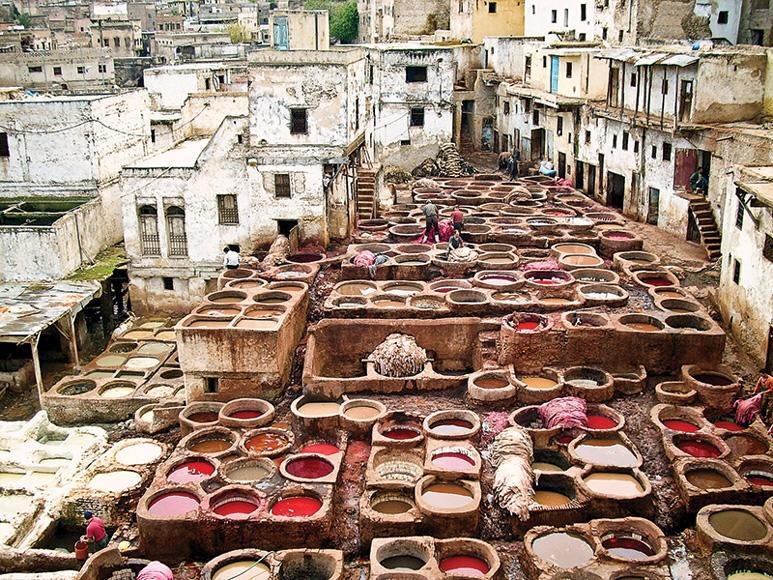
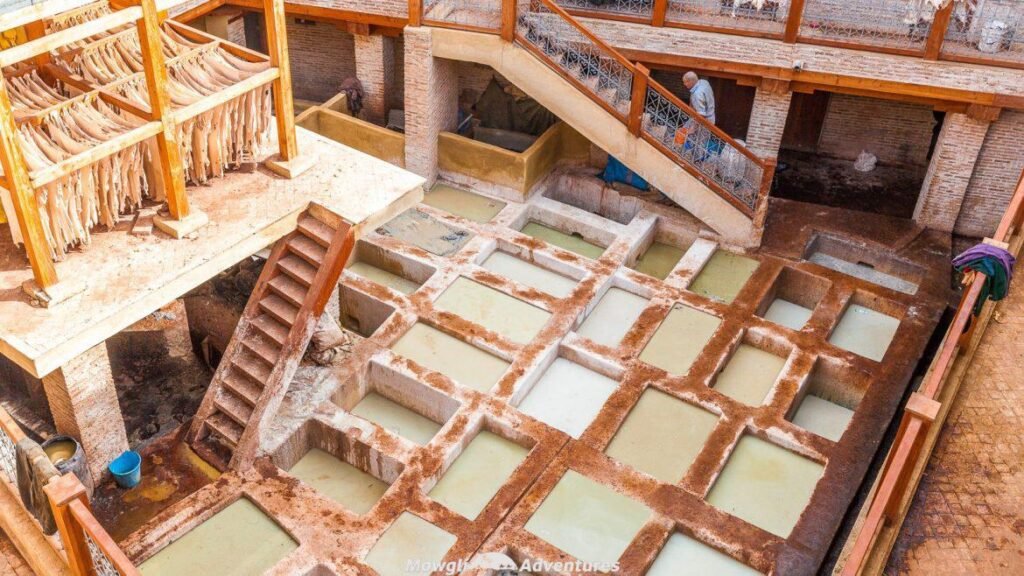
To remove every trace of flesh and hair and make leather softer, the tanners soak the skins in vats of a pretty horrendous concoction of limestone, pigeon poo, cow brain & urine, animal fats, fish oils, sulphuric acid and salts
Leather making is a 7000 year old craft and in Fes, the manufacturing process has changed little over 1000 years
The hides in Fes are all dyed with natural ingredients. The tanners use saffron for yellow, poppies for red and henna for orange indigo for blue and mint for green.
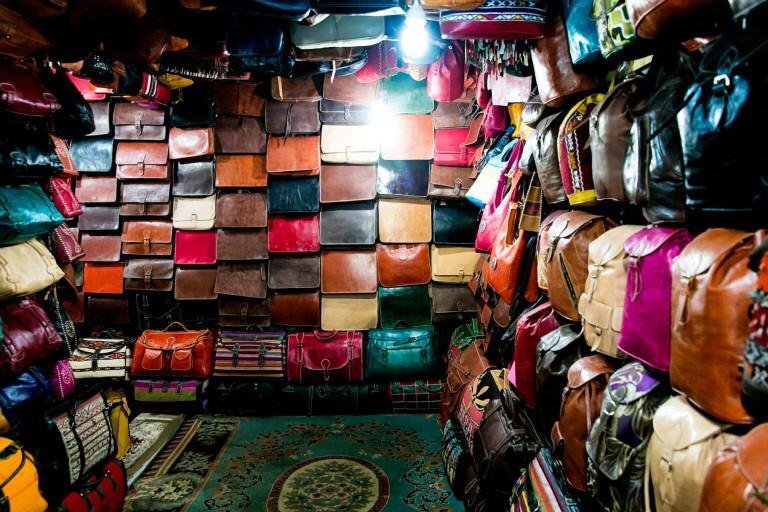
Final products
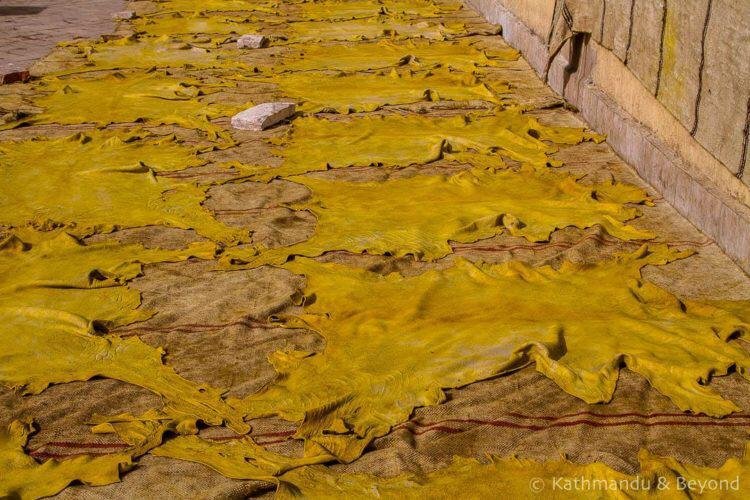
Saffron color hides being dried in sun
While blue agaves have been used to make tequila in the Americas, use it as a natural sweetener, Moroccans have been making silk with the plant for centuries!
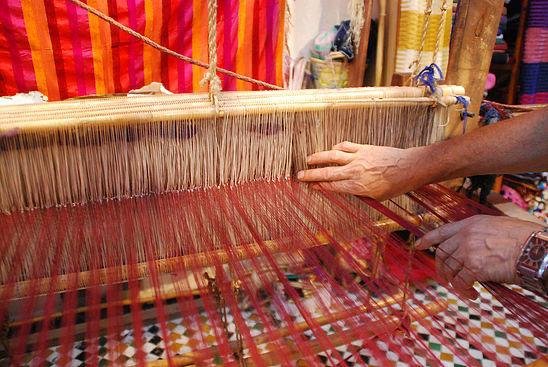
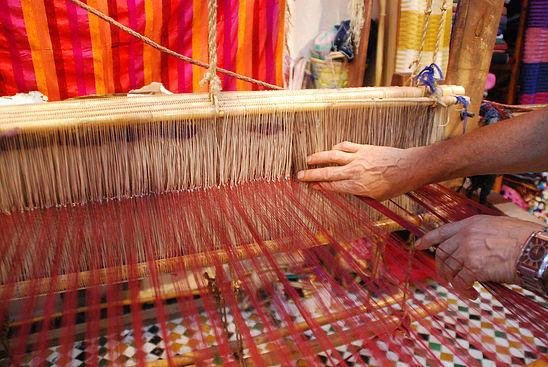
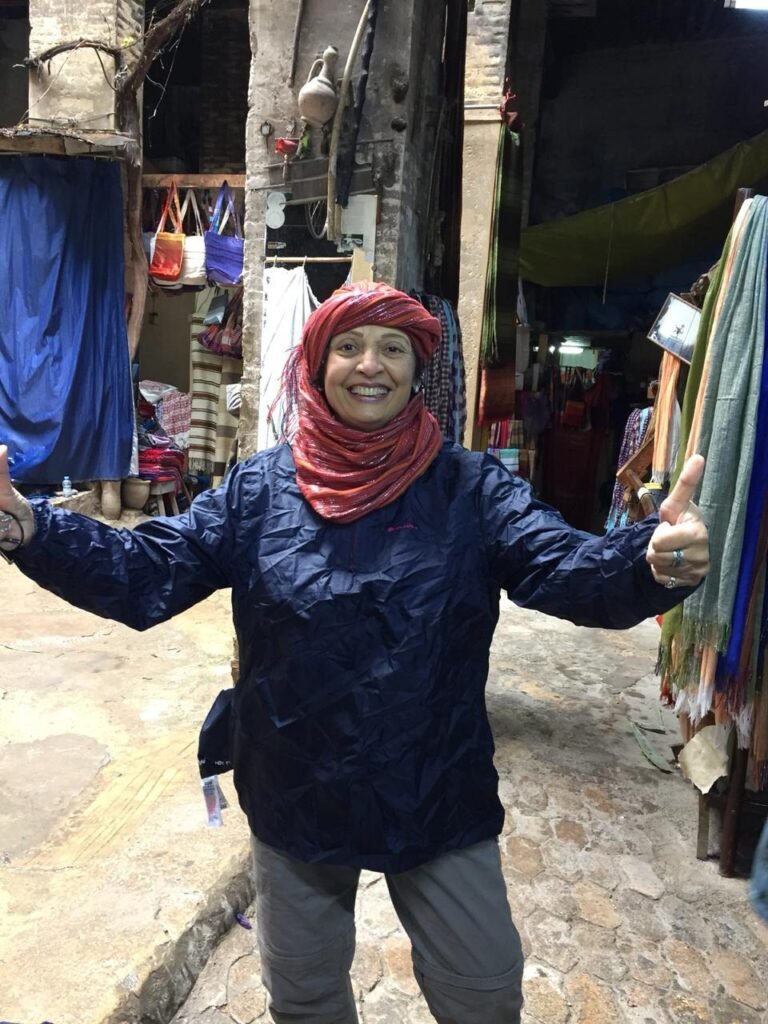
Happy happy
Between the Sahara Desert and the Middle Atlas Mountains lies a diverse landscape of valleys, rivers, forests and foothills. We made this long road trip from Fes to Merzouga and it took us about 9 hours.
Ifrane: Little Switzerland
The terrain becomes even more mountainous as you approach Ifrane, known locally as the Switzerland of Morocco or Little Switzerland, which had about6” of snow. This was to my sheer amazement least expected and a total bonus. The roads were closed we were told but had opened up by the time we reached. Lucky!!
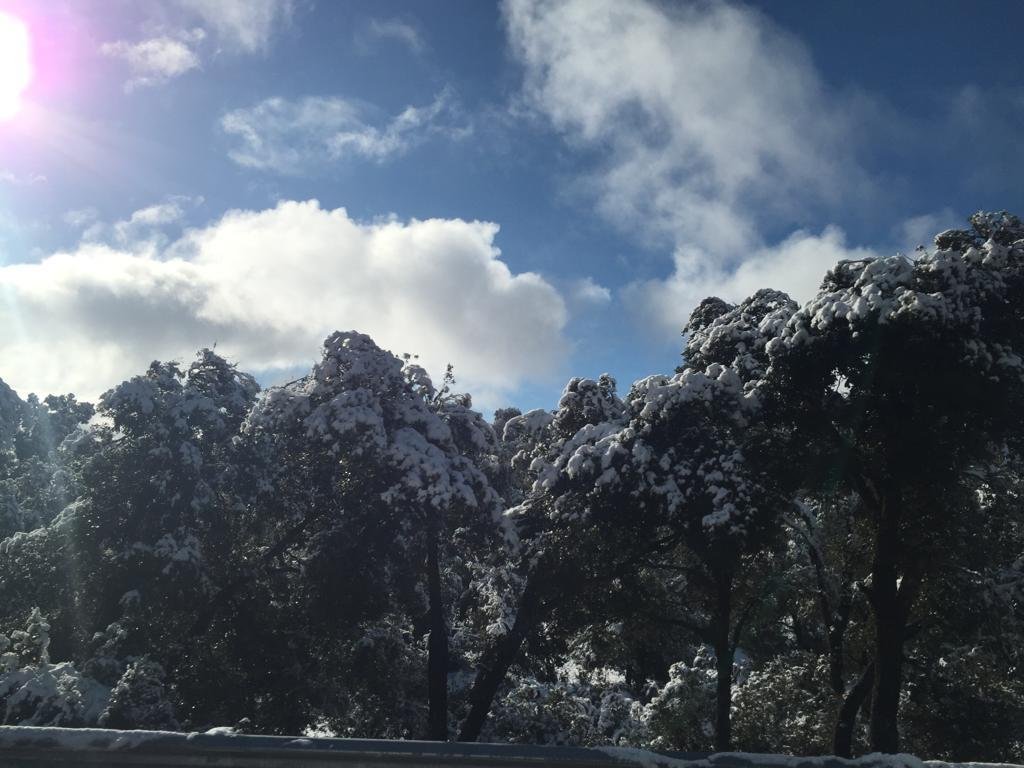
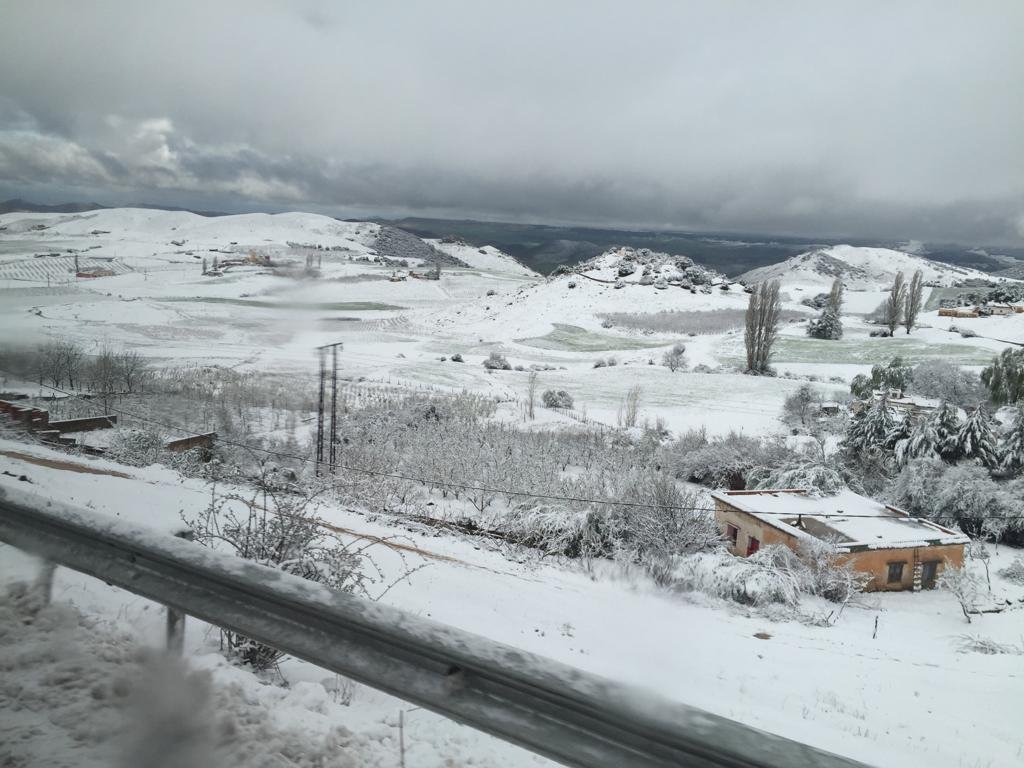
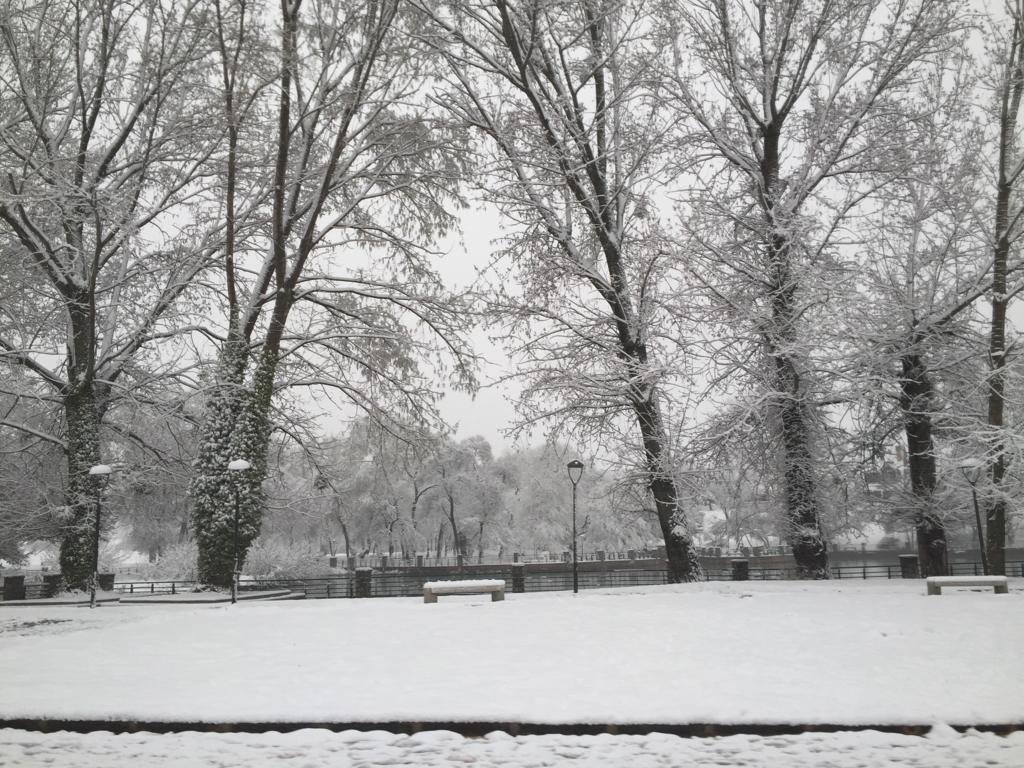
Zaida: the City of Barbecue and no snow
Just an hour and a half away the snow had completely disappeared and we were in a plain
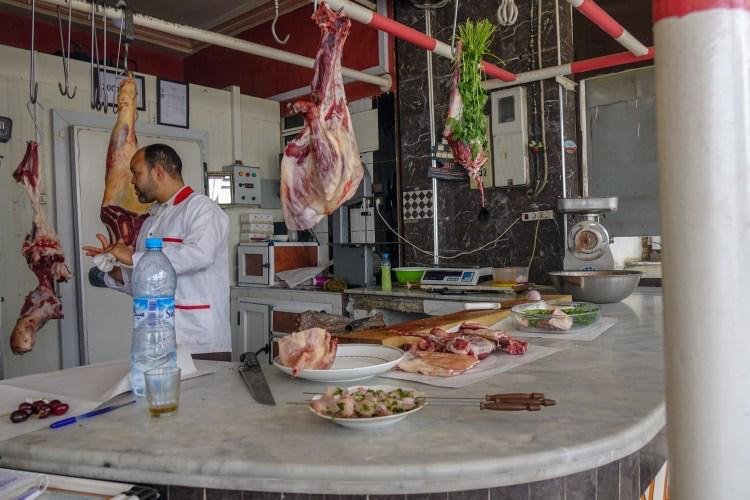
Welcome to Zaida, where the meat hangs from hooks and the smoke billows from curbside grills in front of open-air restaurants. you just select your meat and tell them how you want it prepared . We picked up a picnic lunch from here to have it later
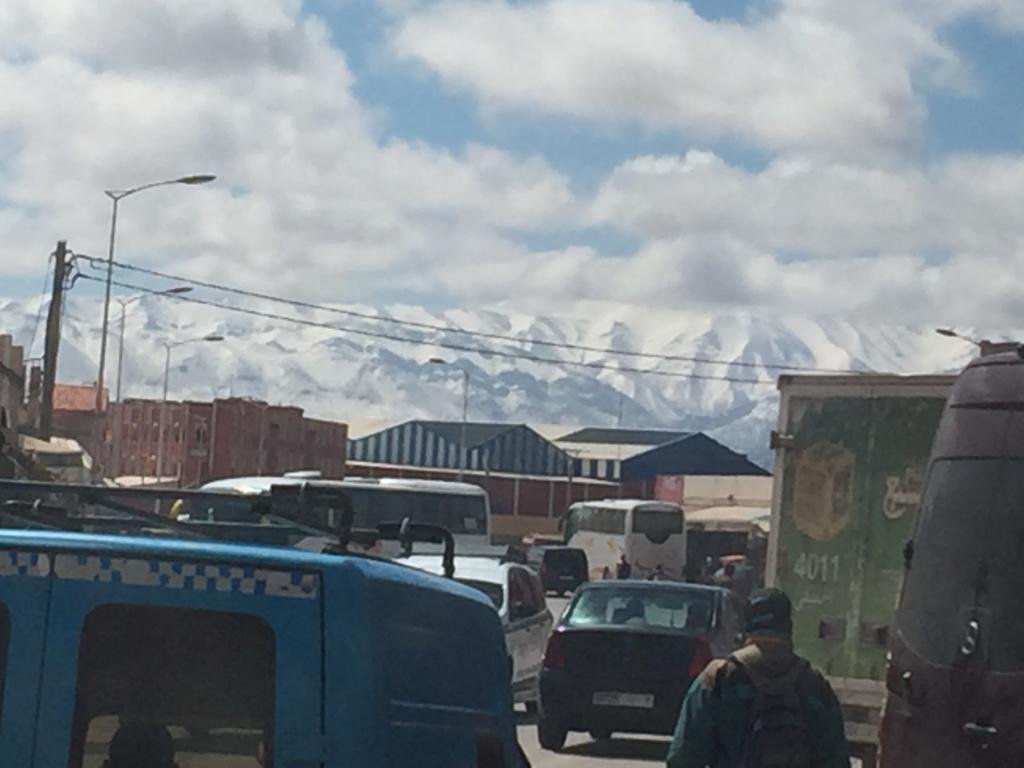
Beautiful high Atlas Mountains in the background with snow capped peaks
Dam on the Ziz River
This dam on the Ziz River generates at least two things that I am aware of: 1) hydroelectricity and 2) some great photo opportunities!
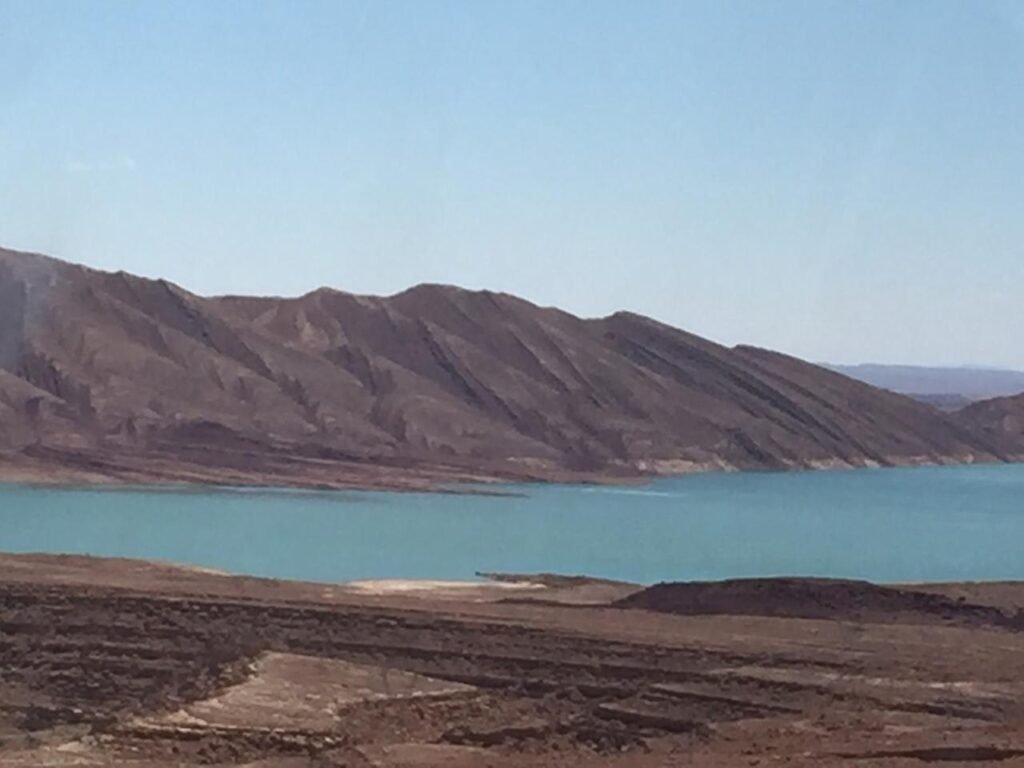
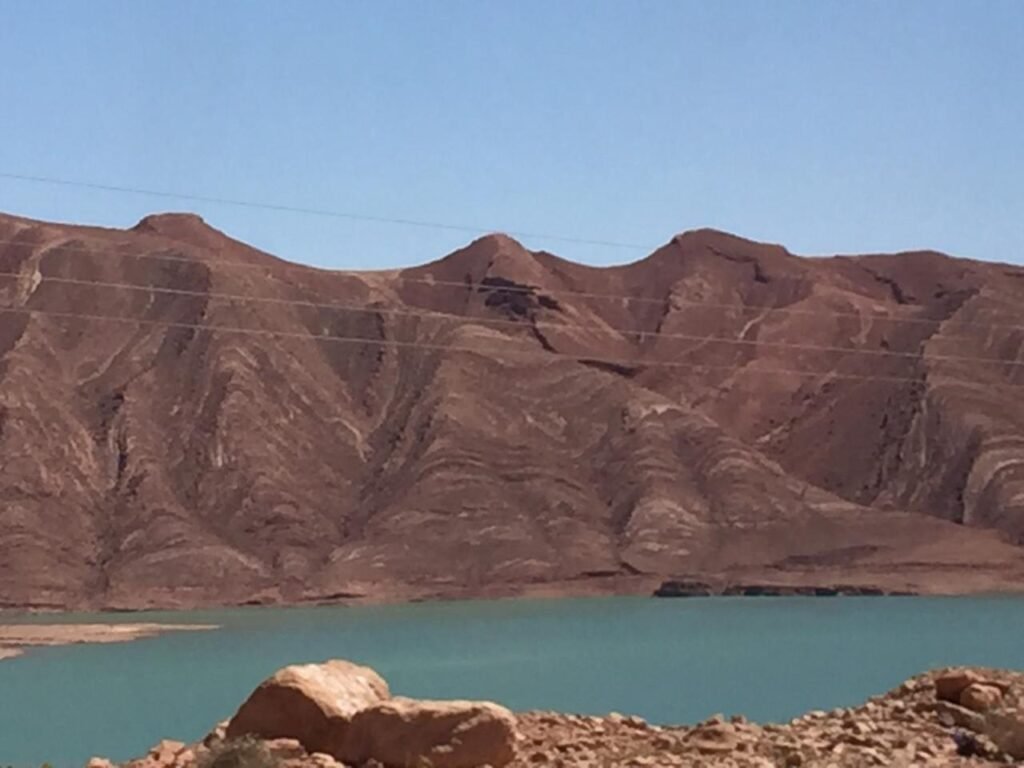
The terrain in the High Atlas Mountains
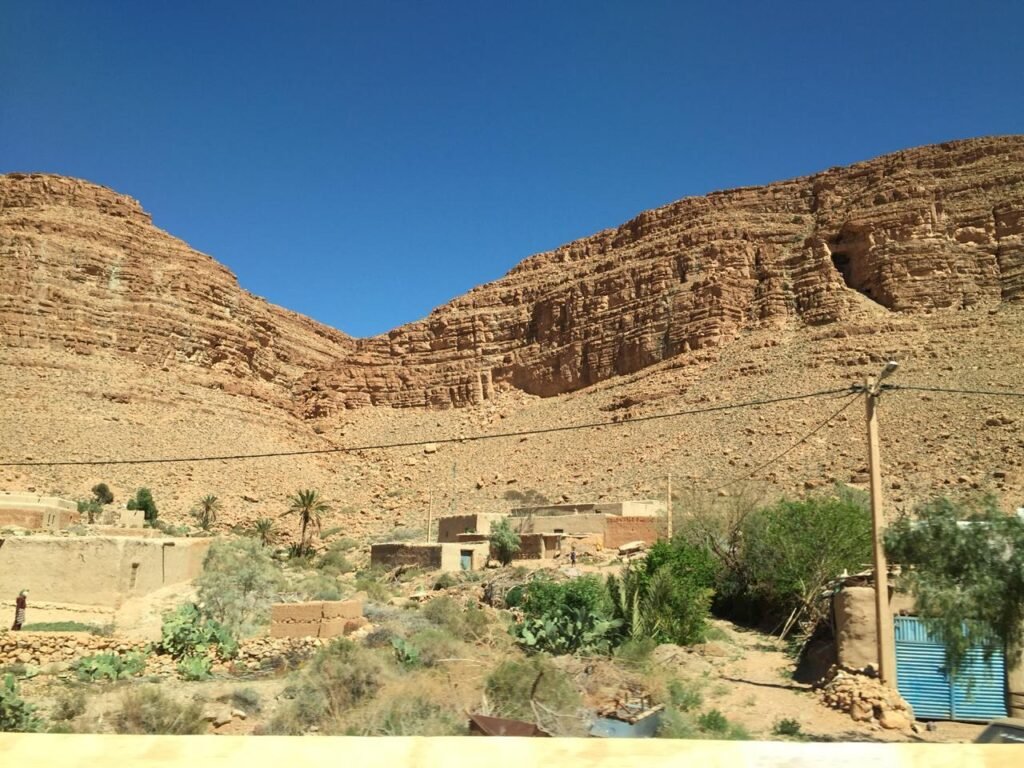
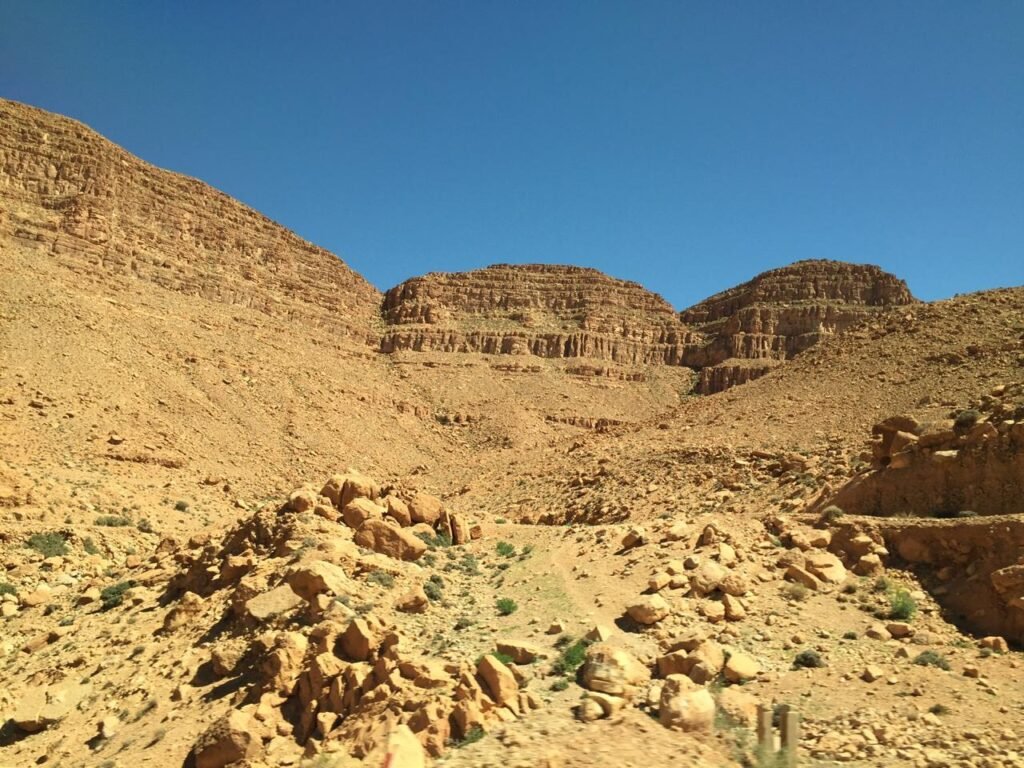
The Ziz Valley deserves to be appreciated–outside of your vehicle. Densely-packed groves of date palms and the Ziz River worthy of appreciation and some meditation 😜
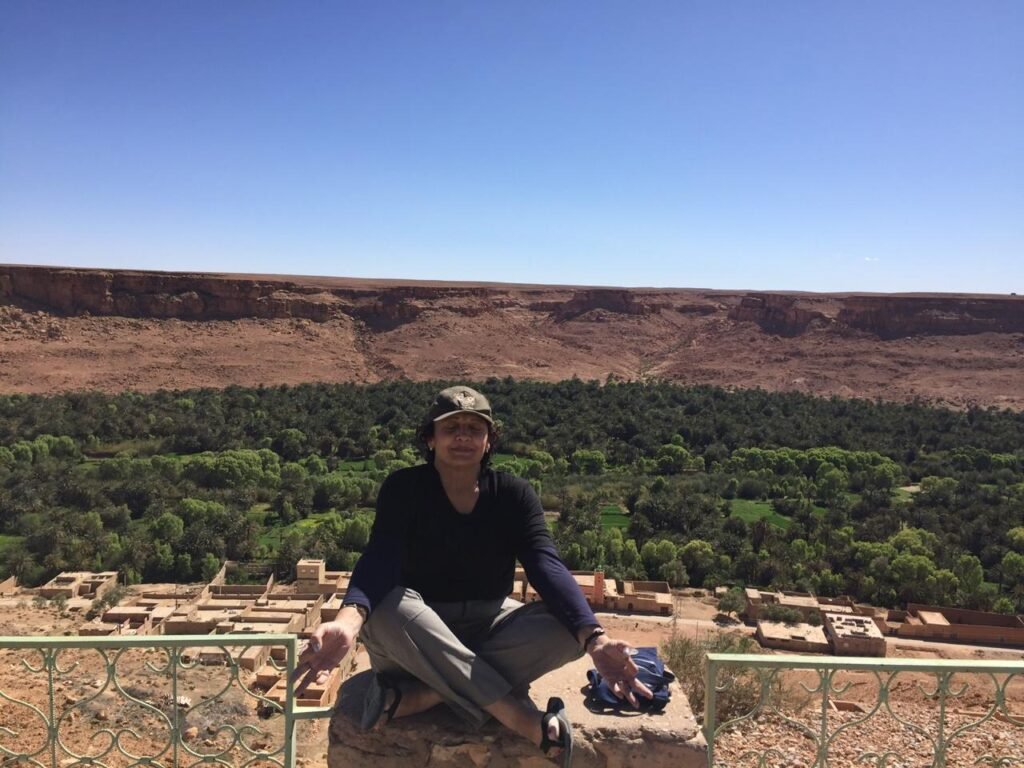
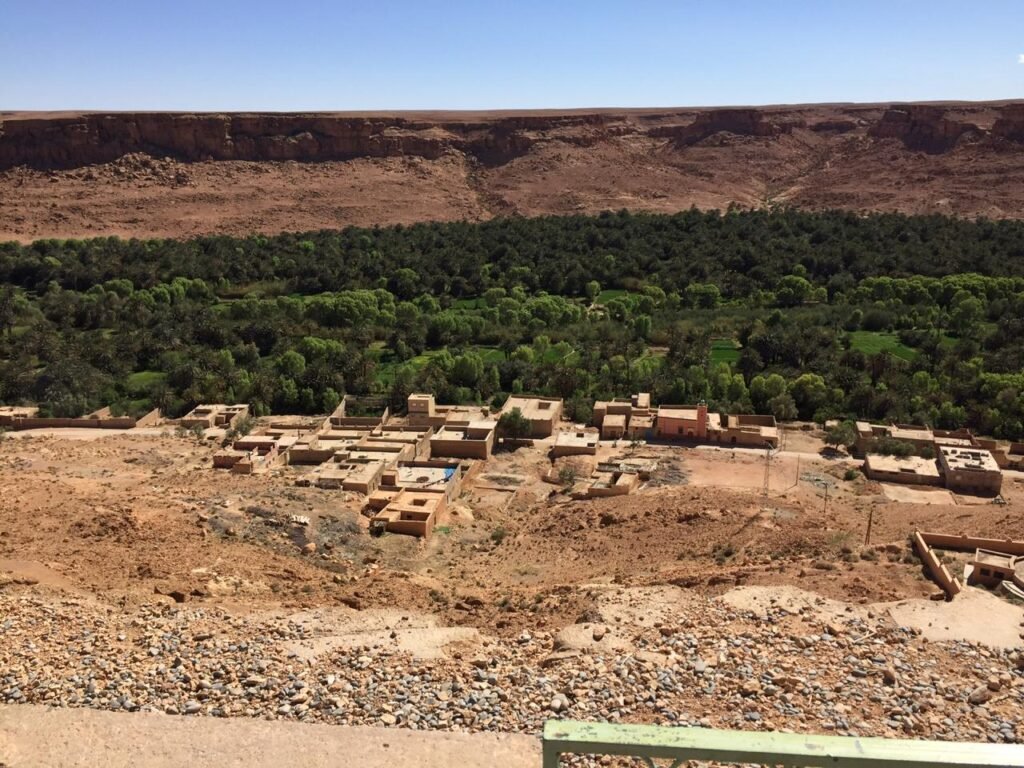
Finally reached the hotel in the Sahara desert literally on the edge of a San dune
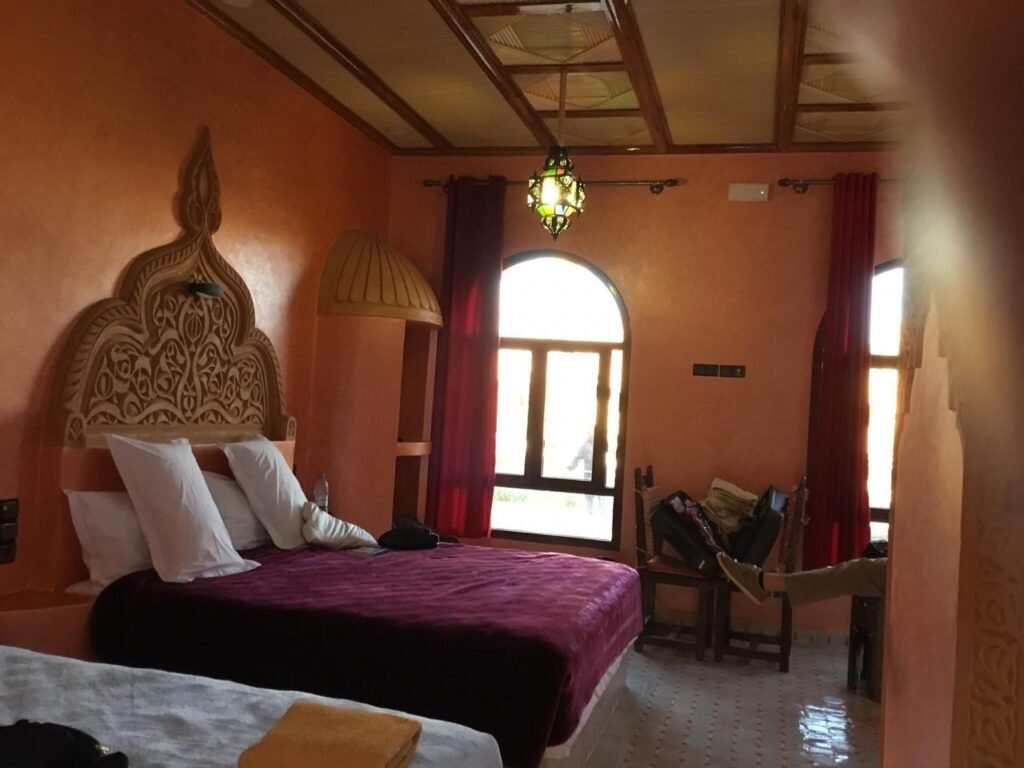
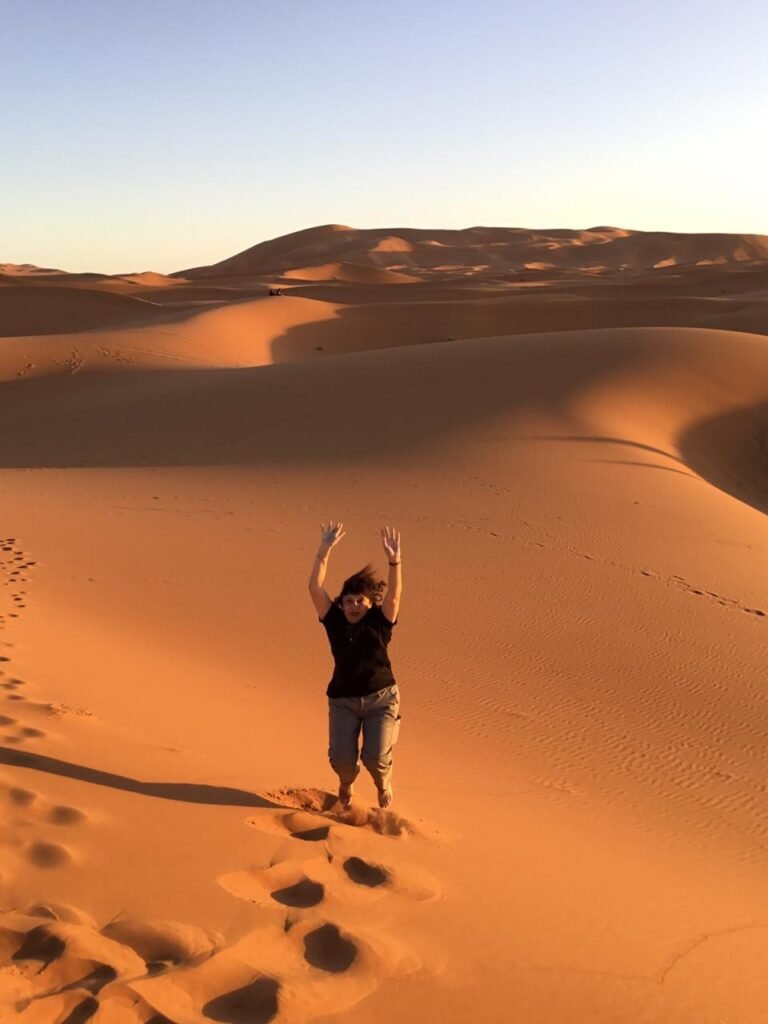
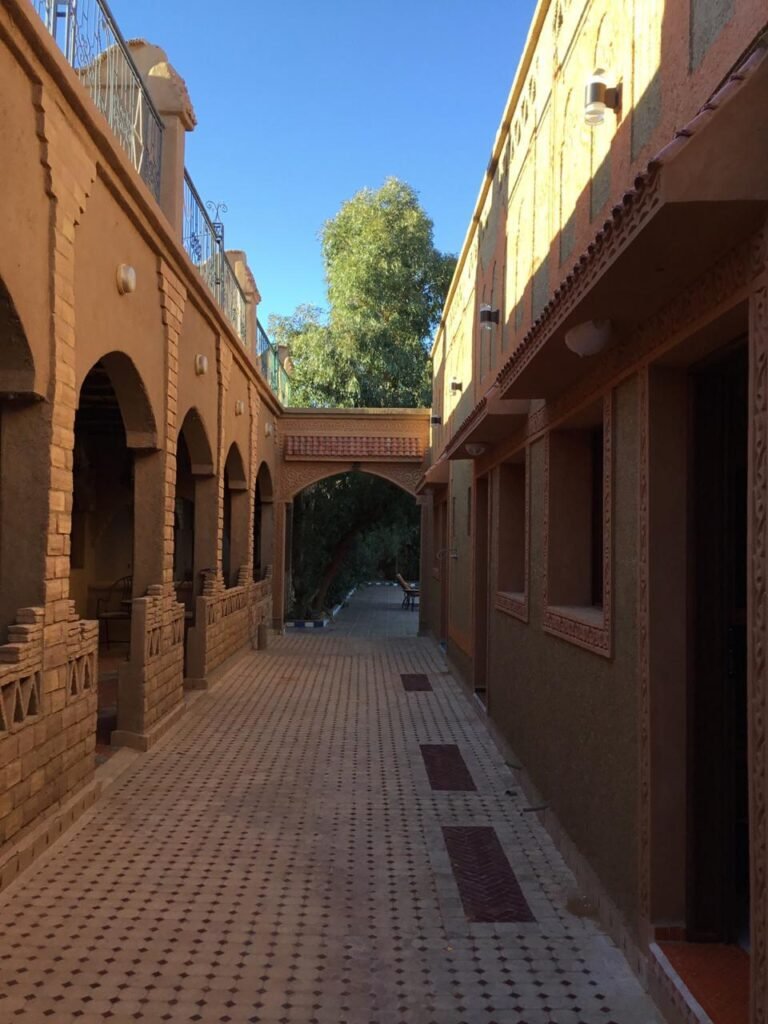
The Day in Sahara
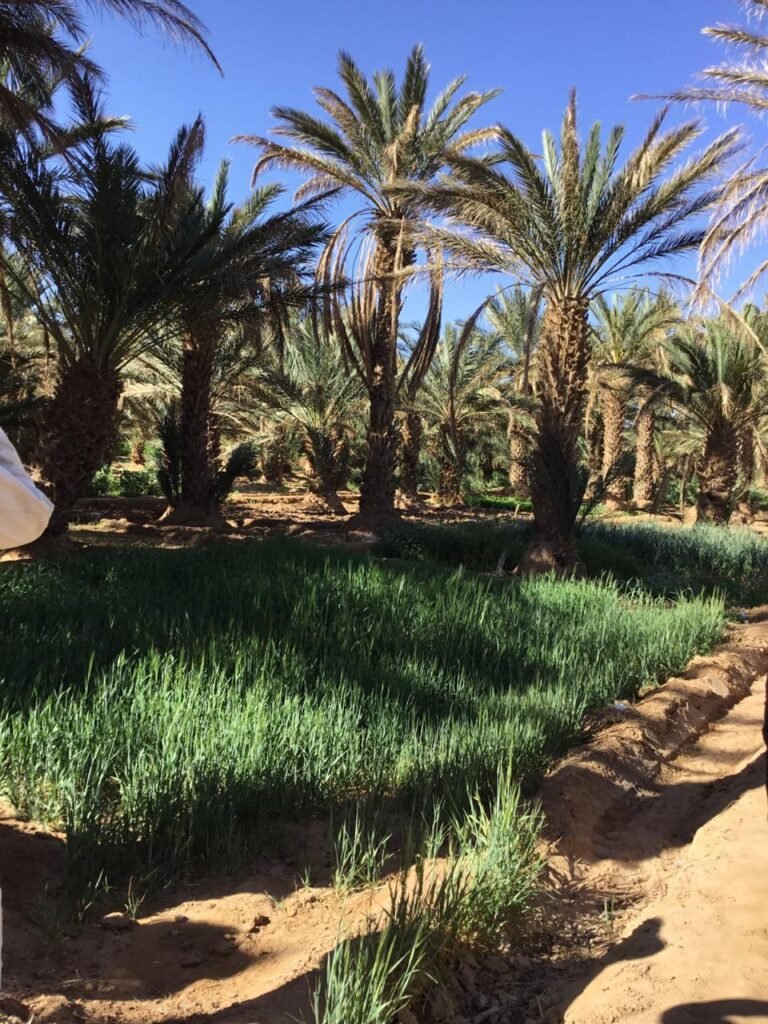
We started the day with an excursion in a 4X4 SUV. First stop was an oasis where each family in the neighborhood had a square piece of land for cultivation of dates, veggies , barley, etc.
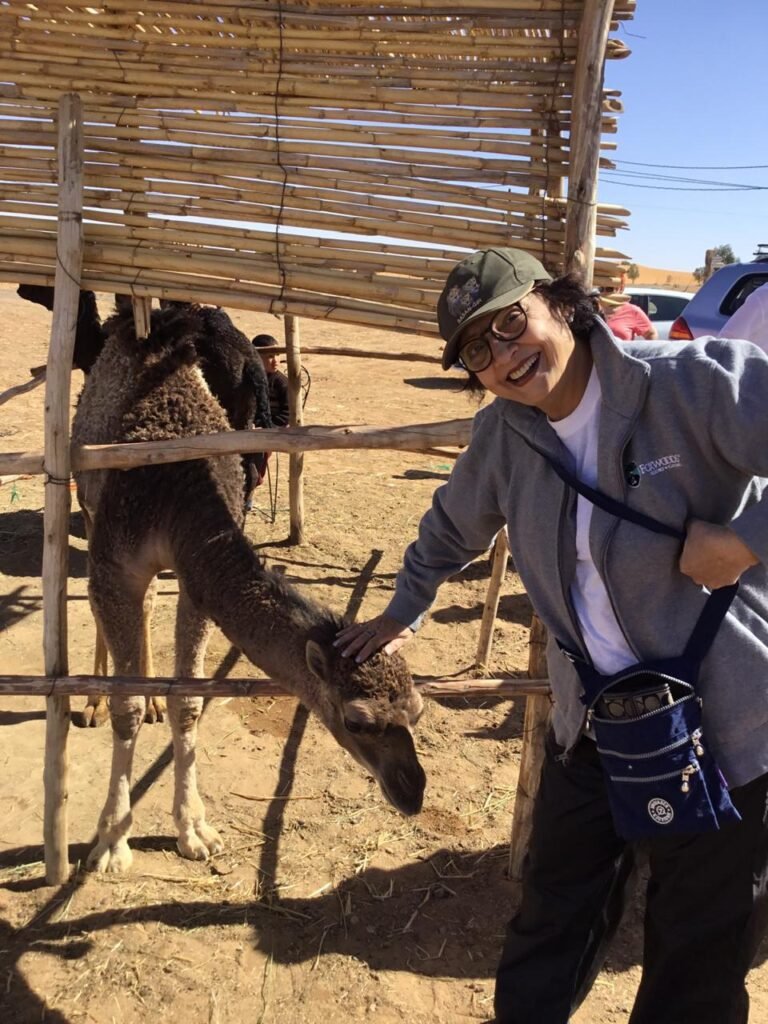
Baby camel about 9 months
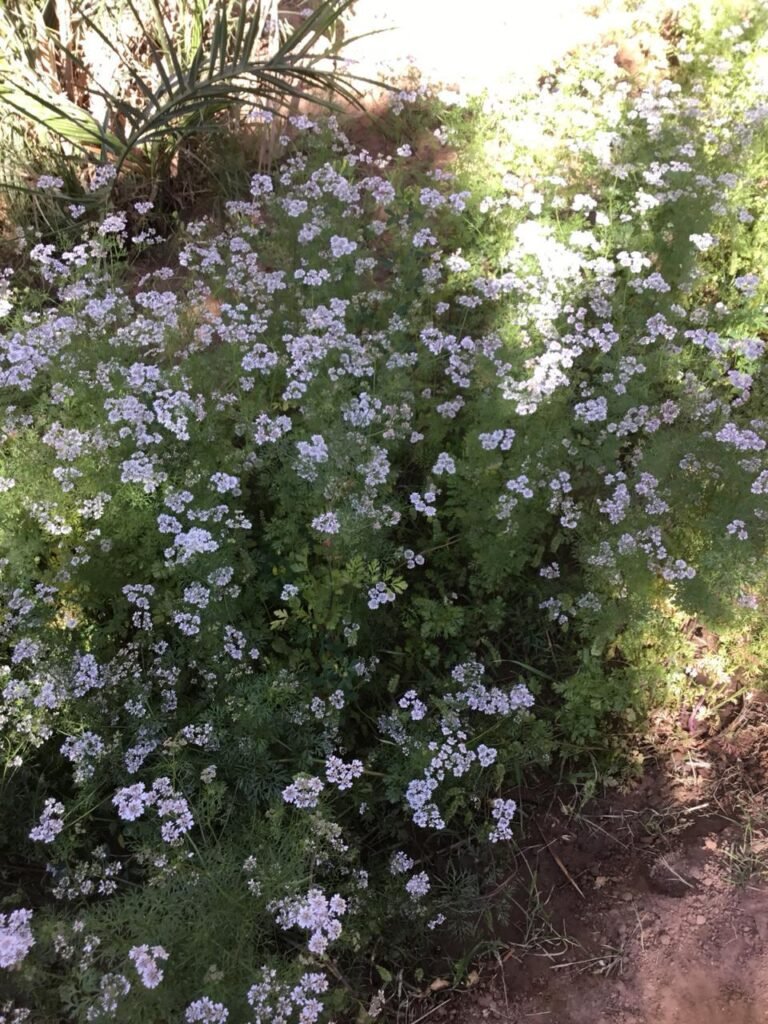
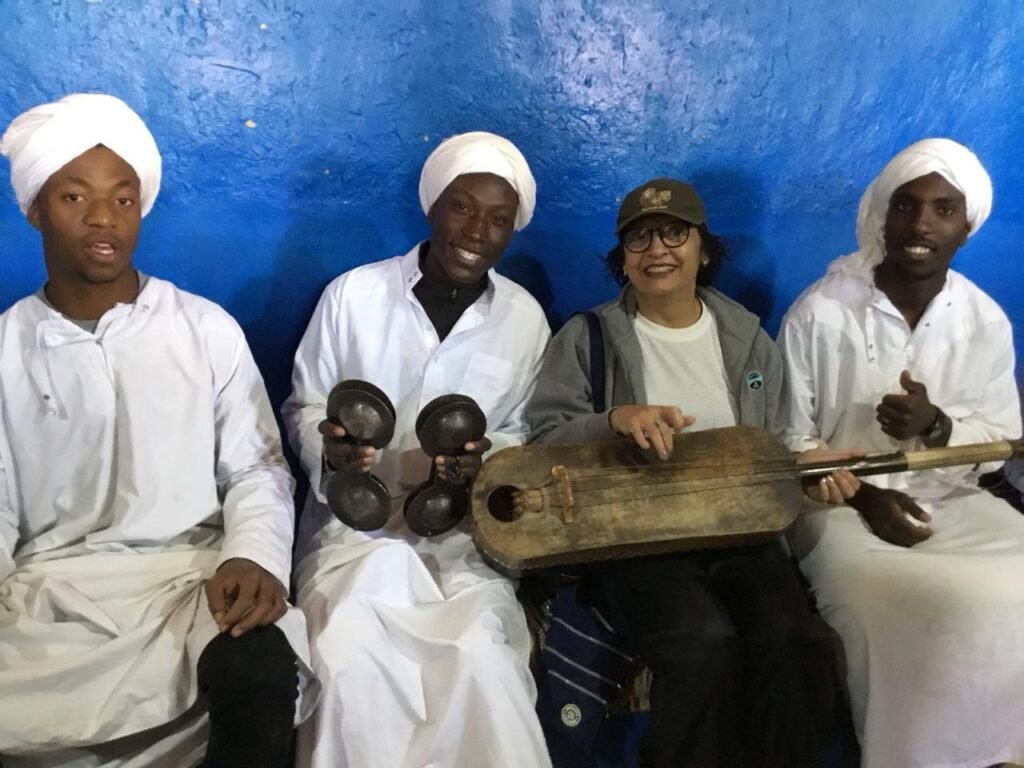
Then we stopped at a music camp—- folks originally from Ghana and Sudan playing Gnawa Musuem. Three main instruments drum , big dual cymbals you slipped on fingers and a guitar like instrument.
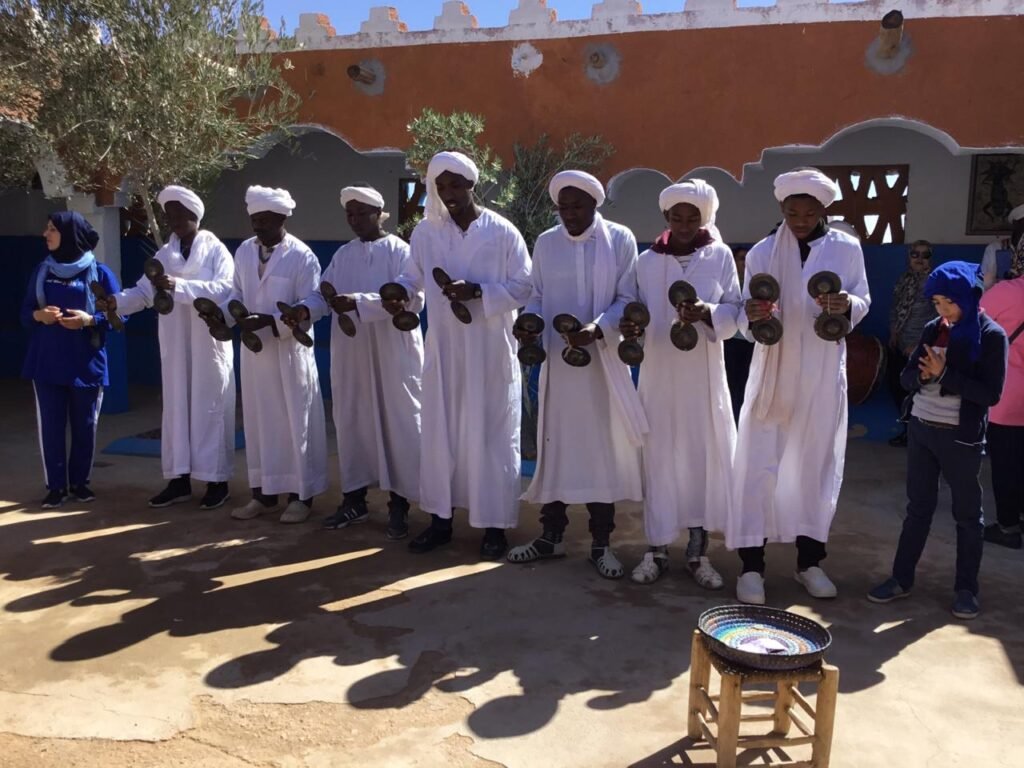
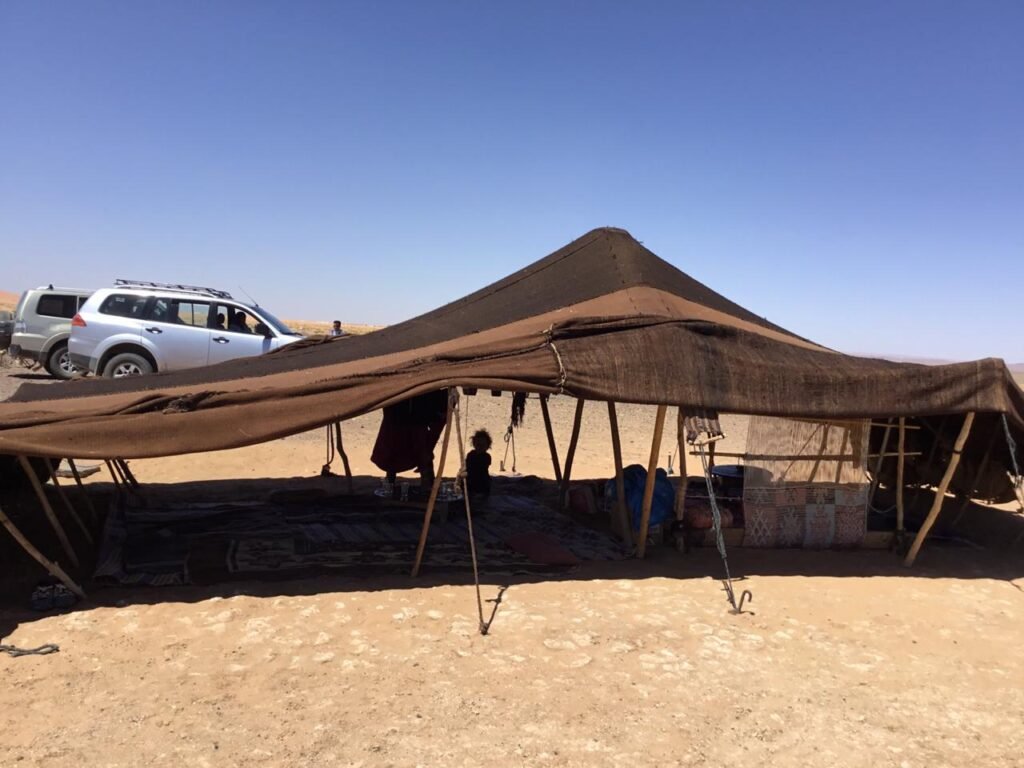
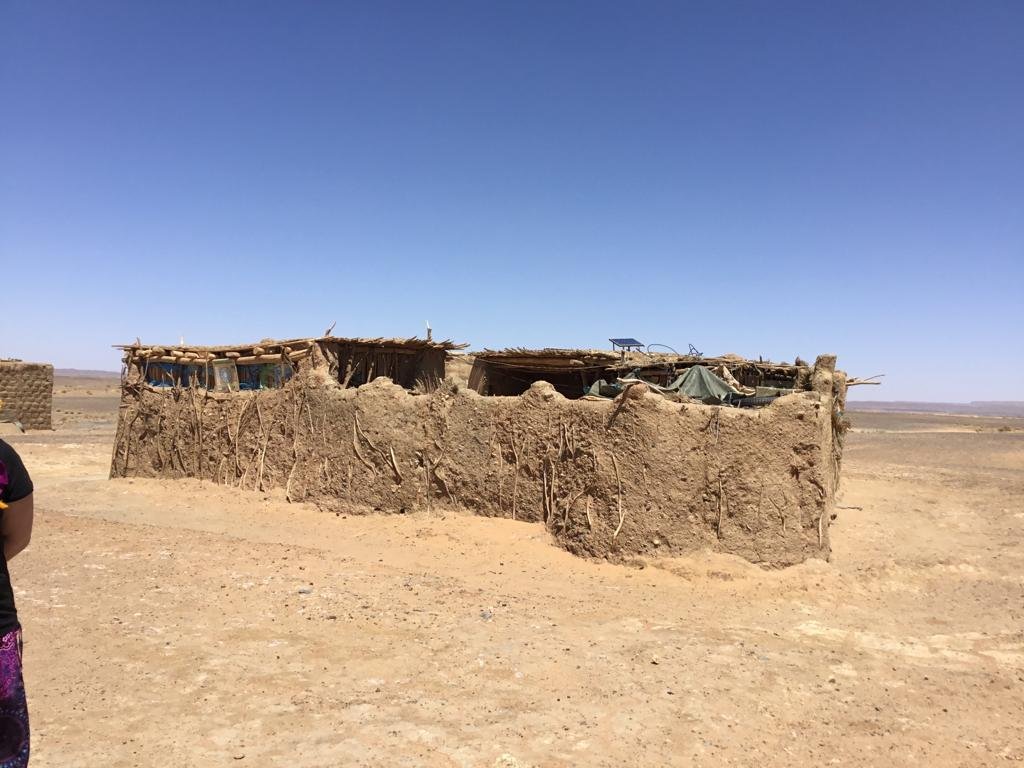
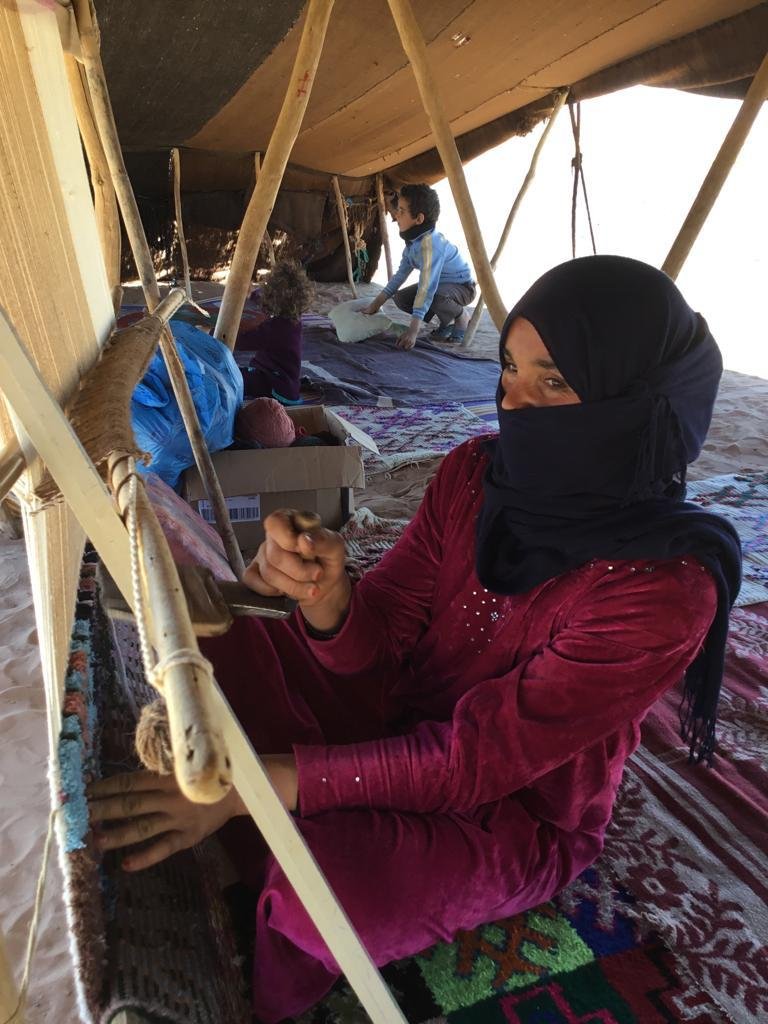
In the middle of the desert
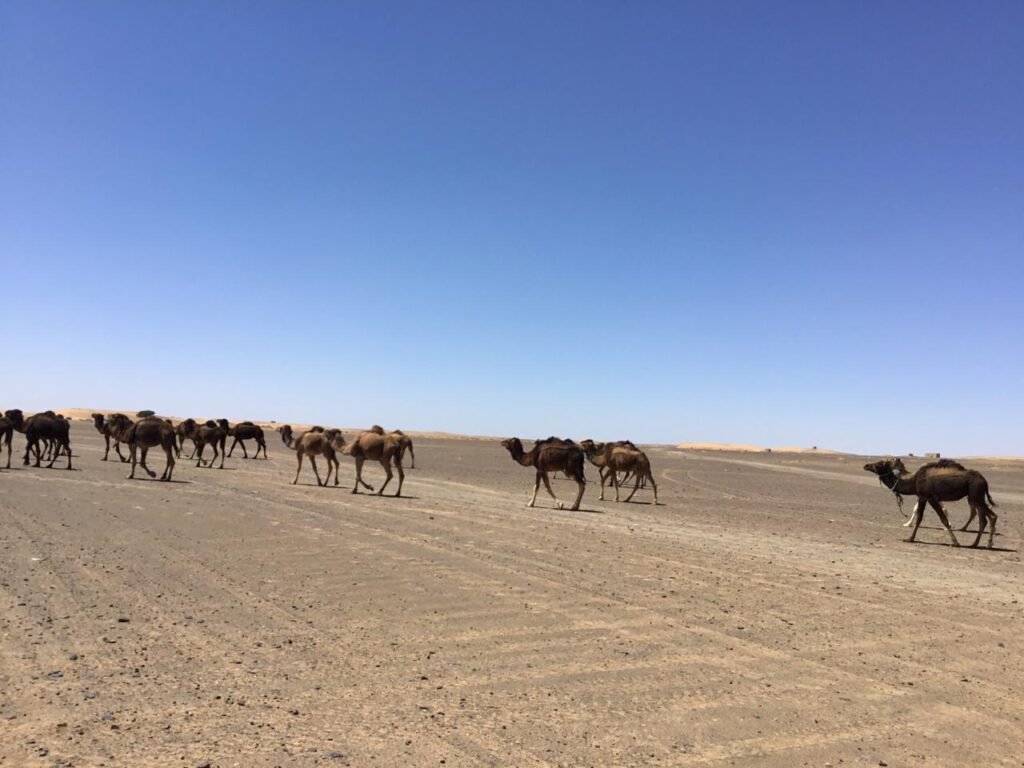
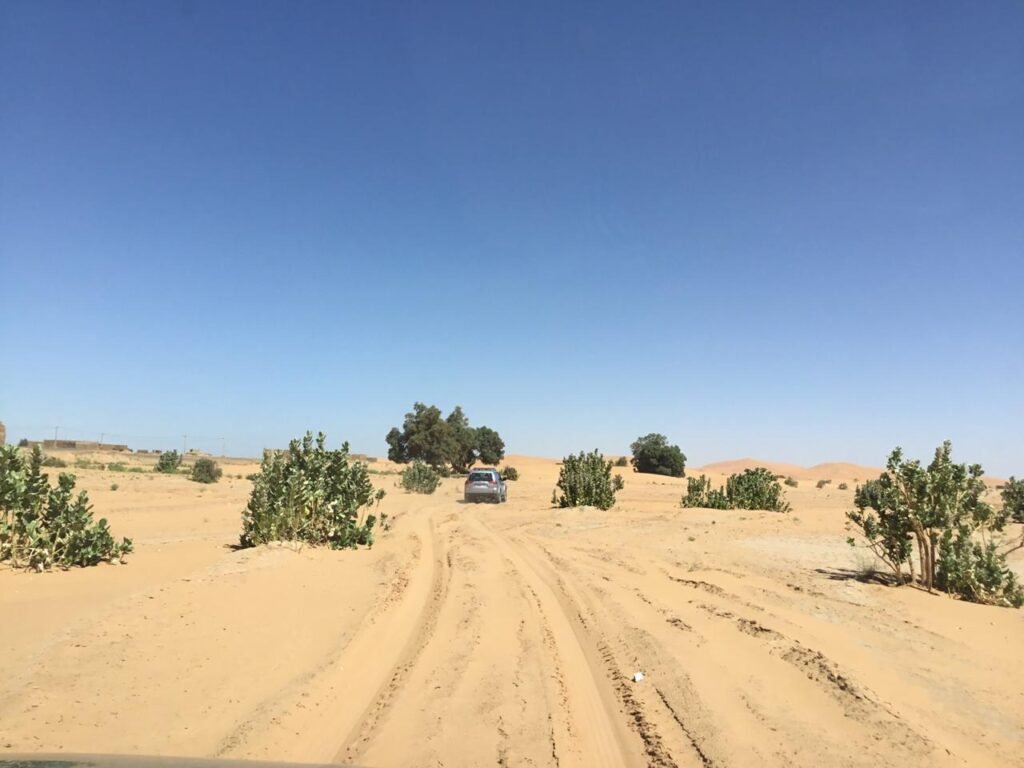
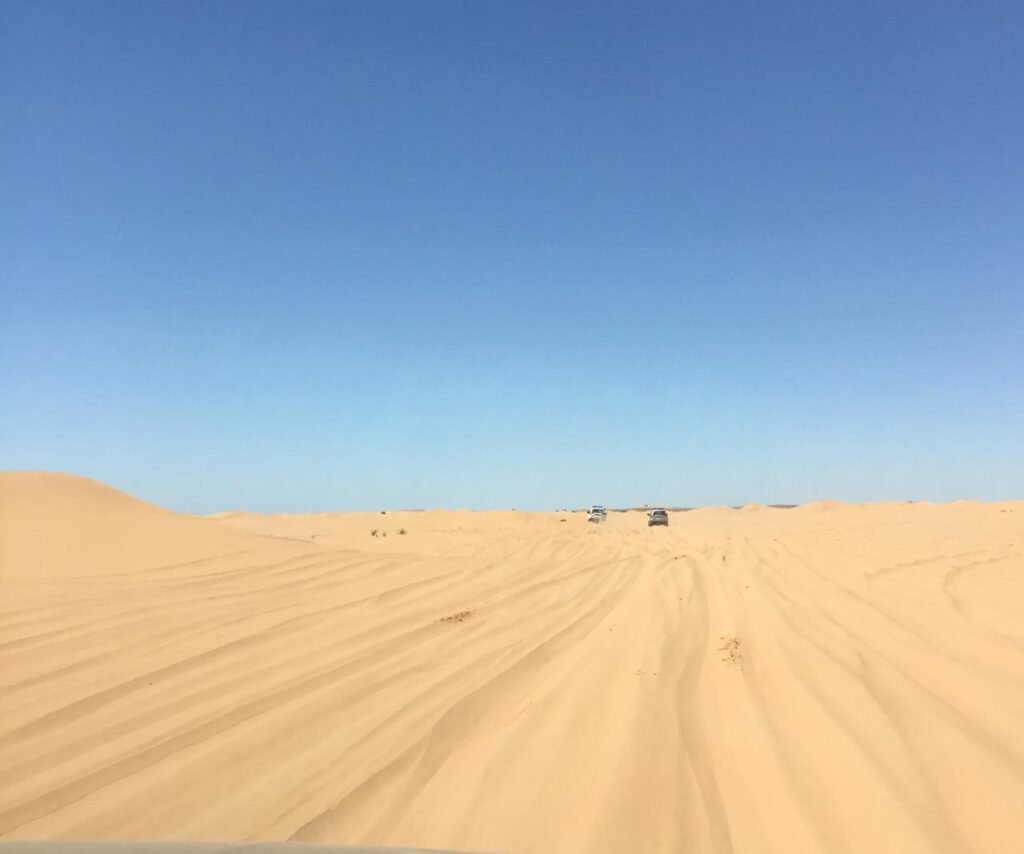
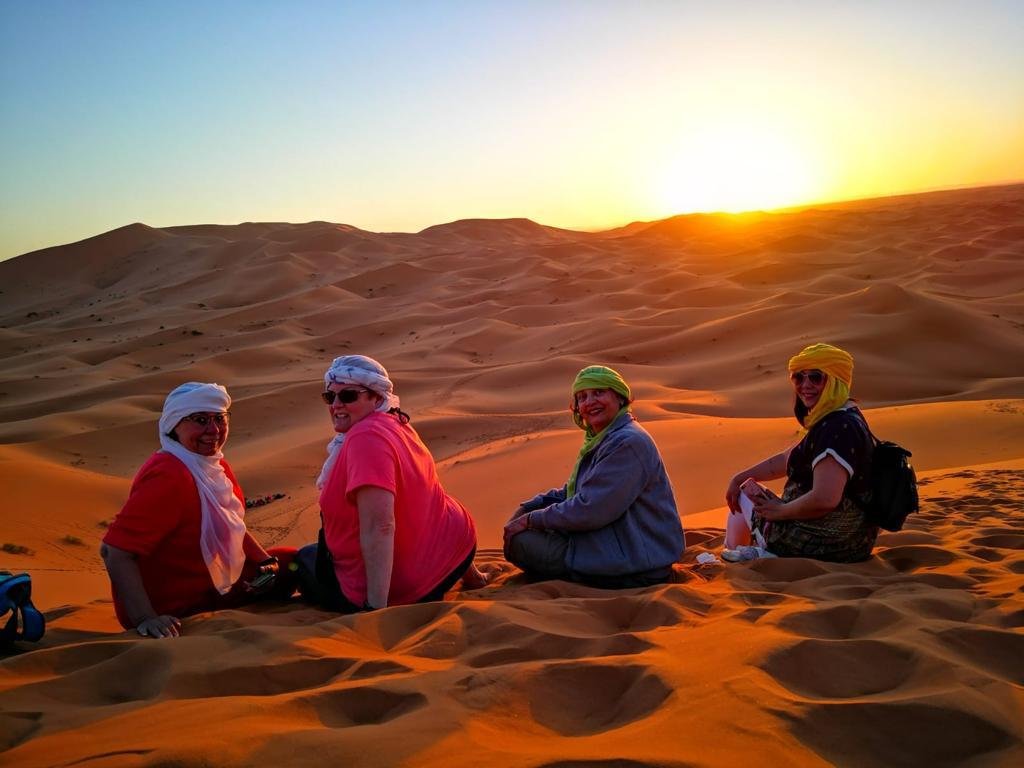
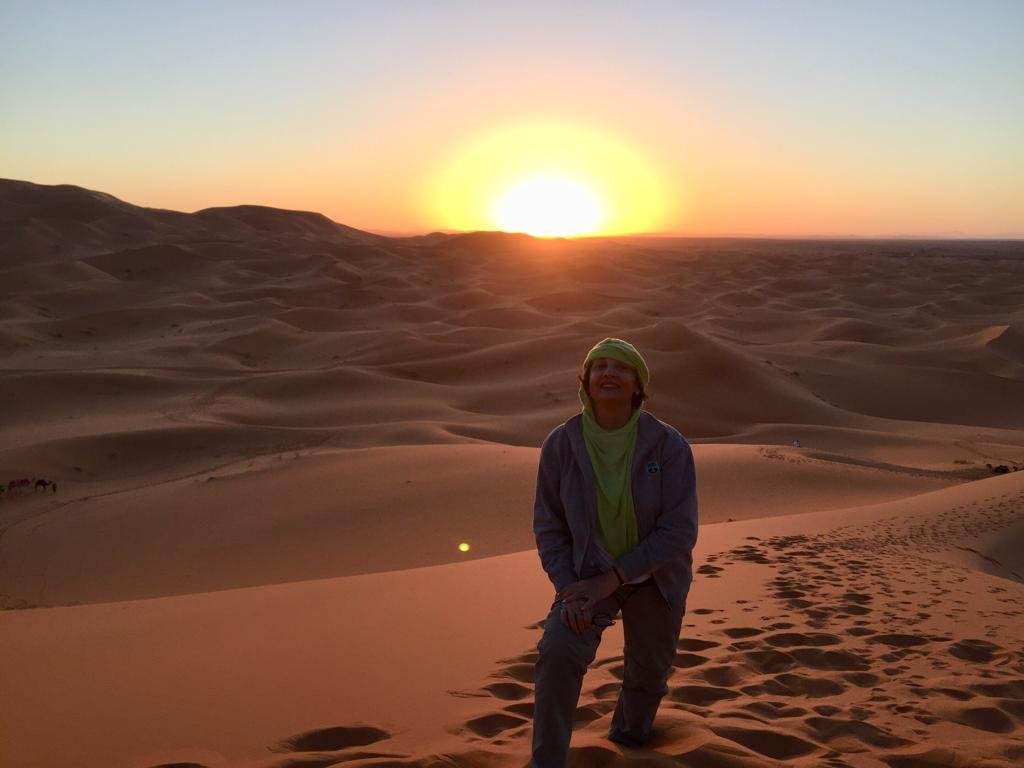
The evening was a camel safari to the Erg Chabbi sand dunes. Ergs large seas of dunes formed by wind-blown sand, the dunes of rise up to 150 meters
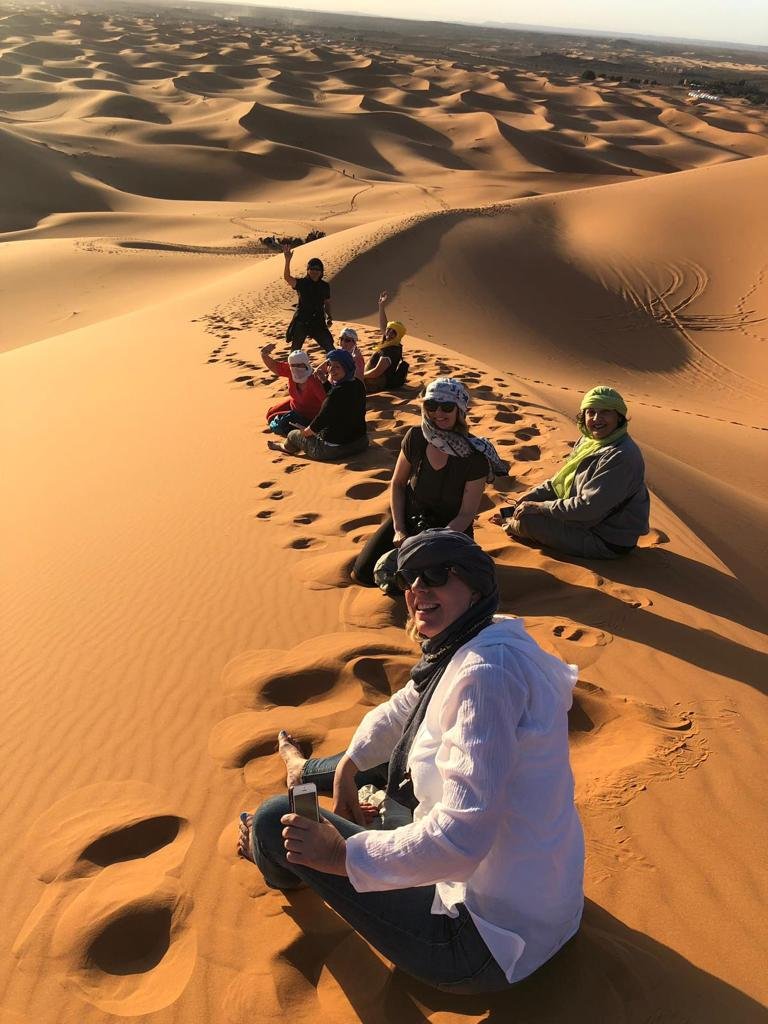
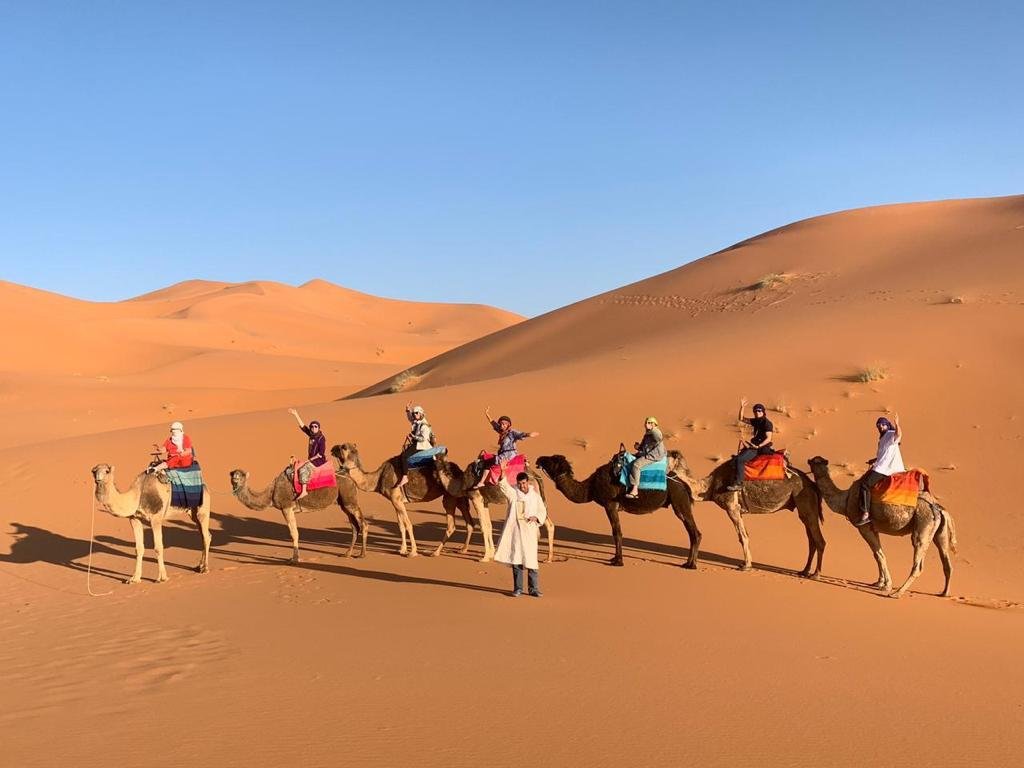
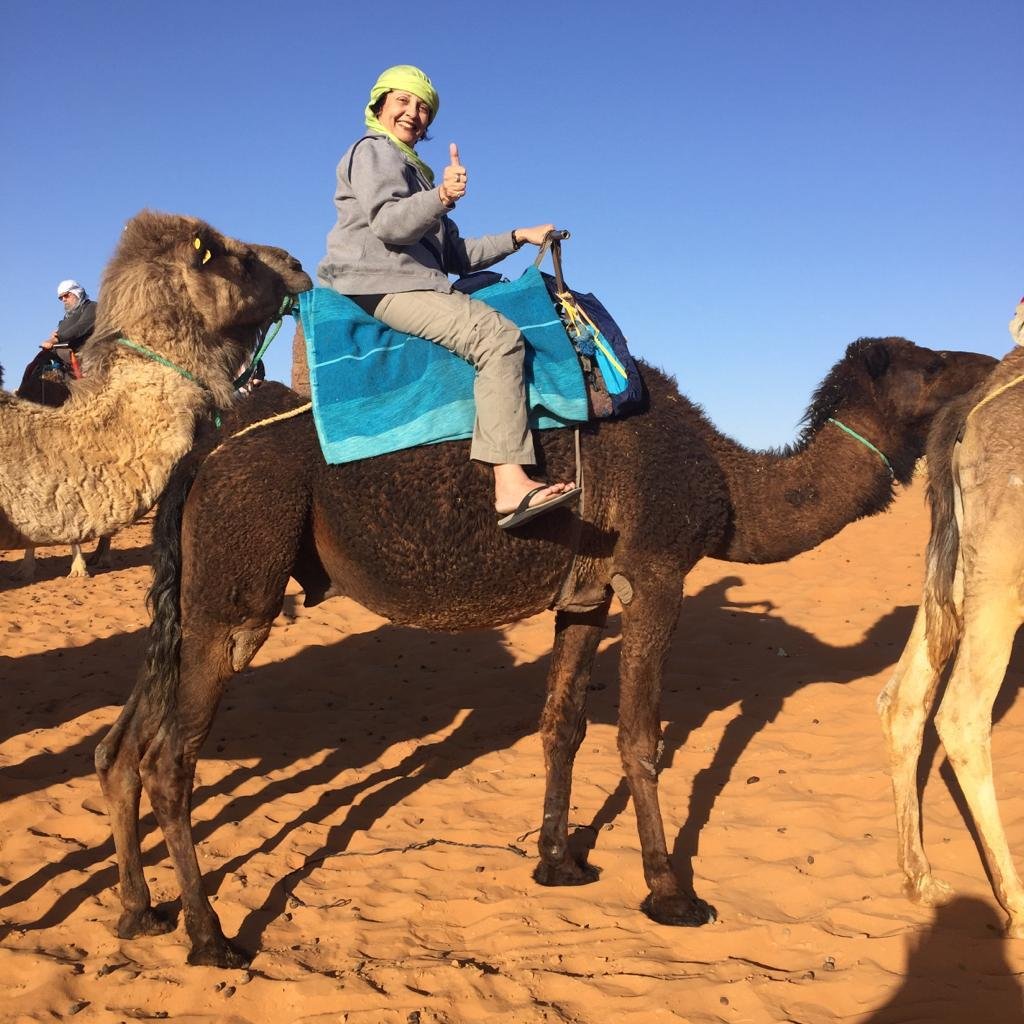
Saffron colors in the sunset amazing
Last two days we have been driving from Merzouga to Ait Benhaddou and seeing stunning landscapes and highlights along the way.
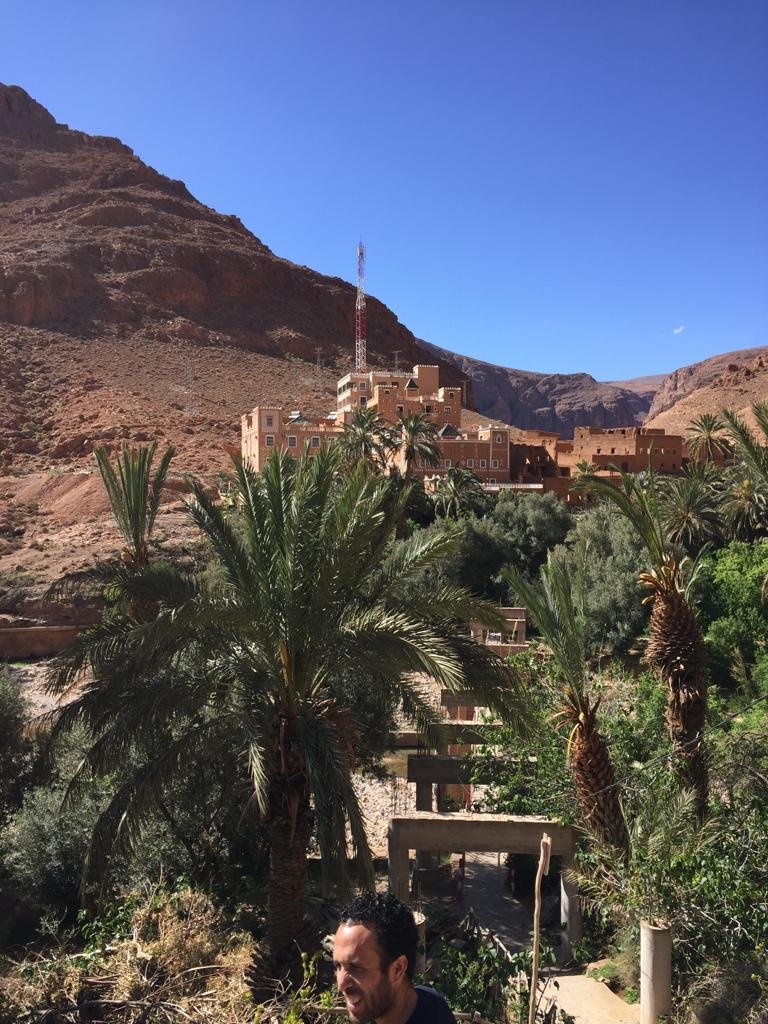
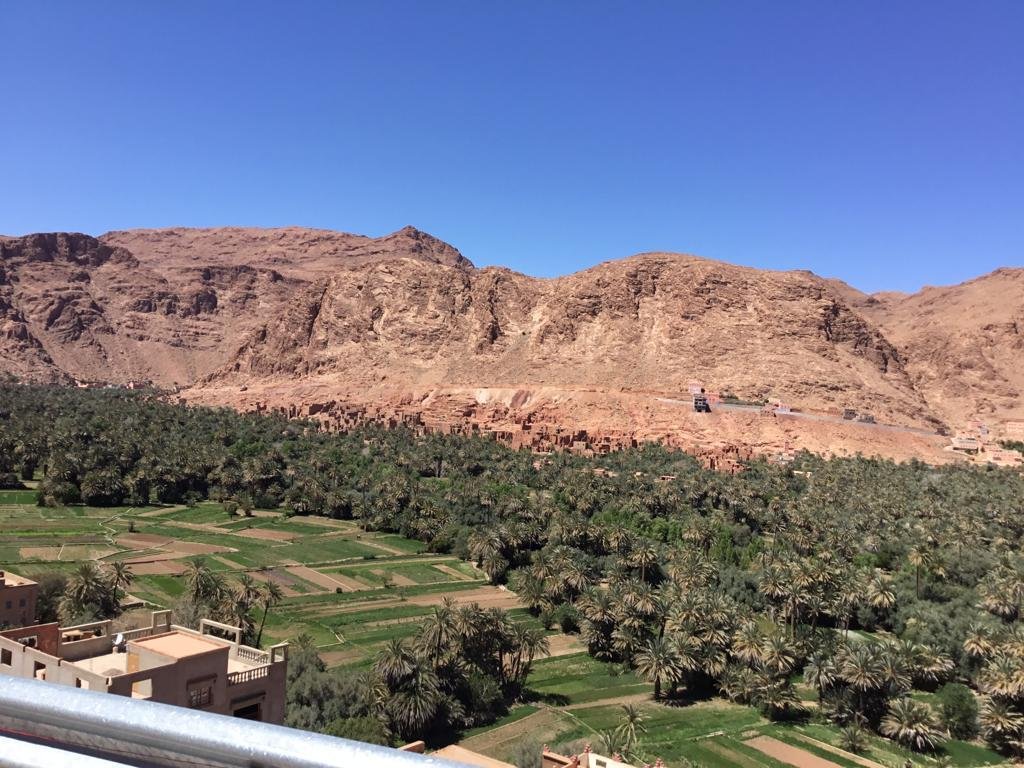
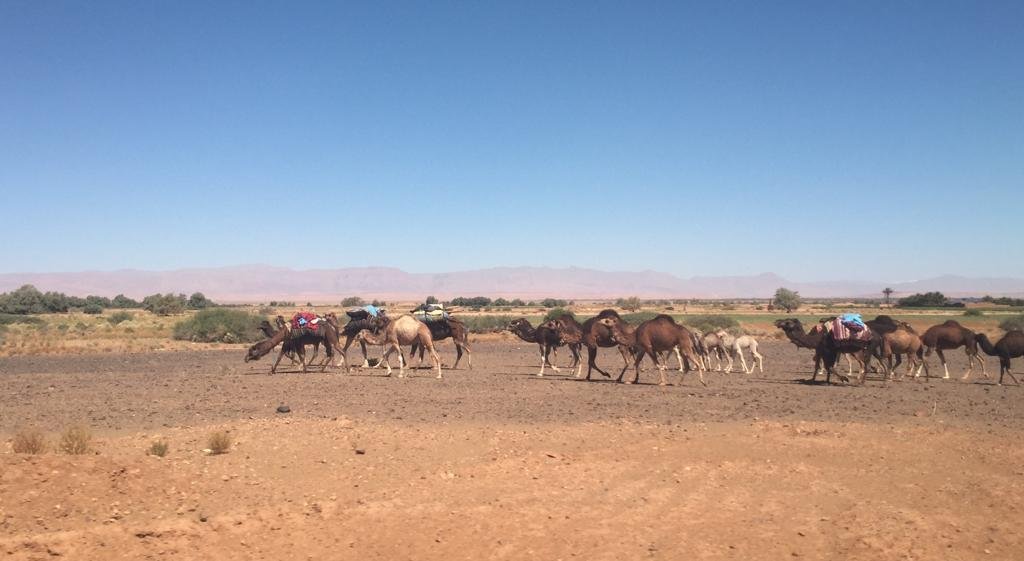
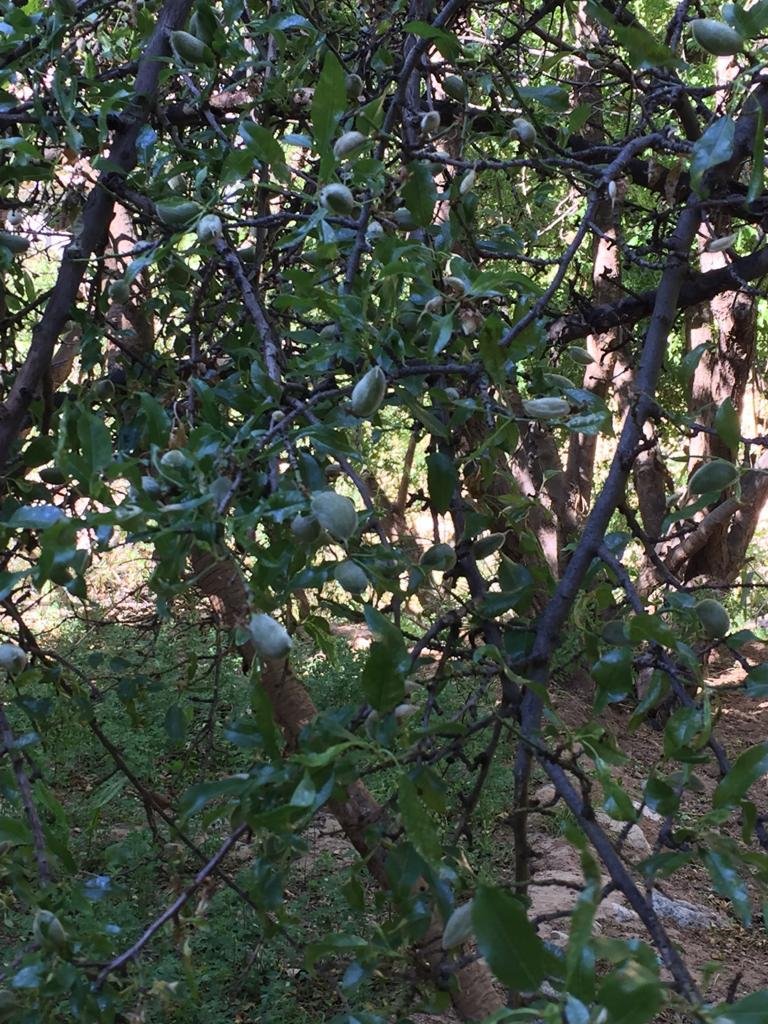
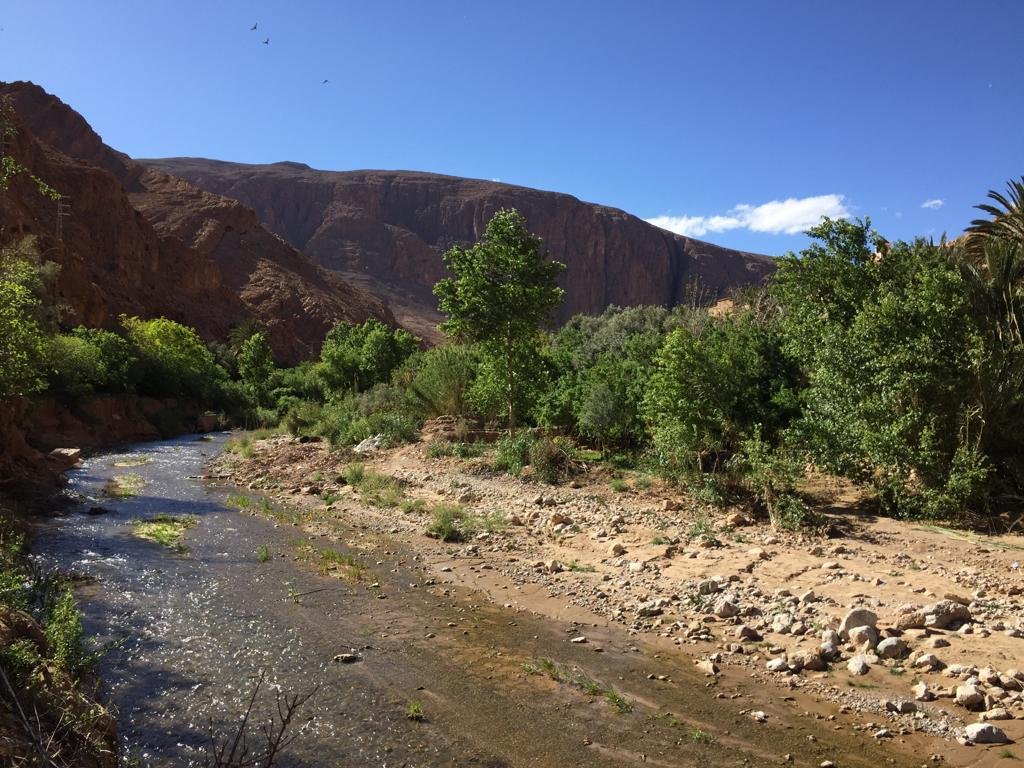
Almond tree
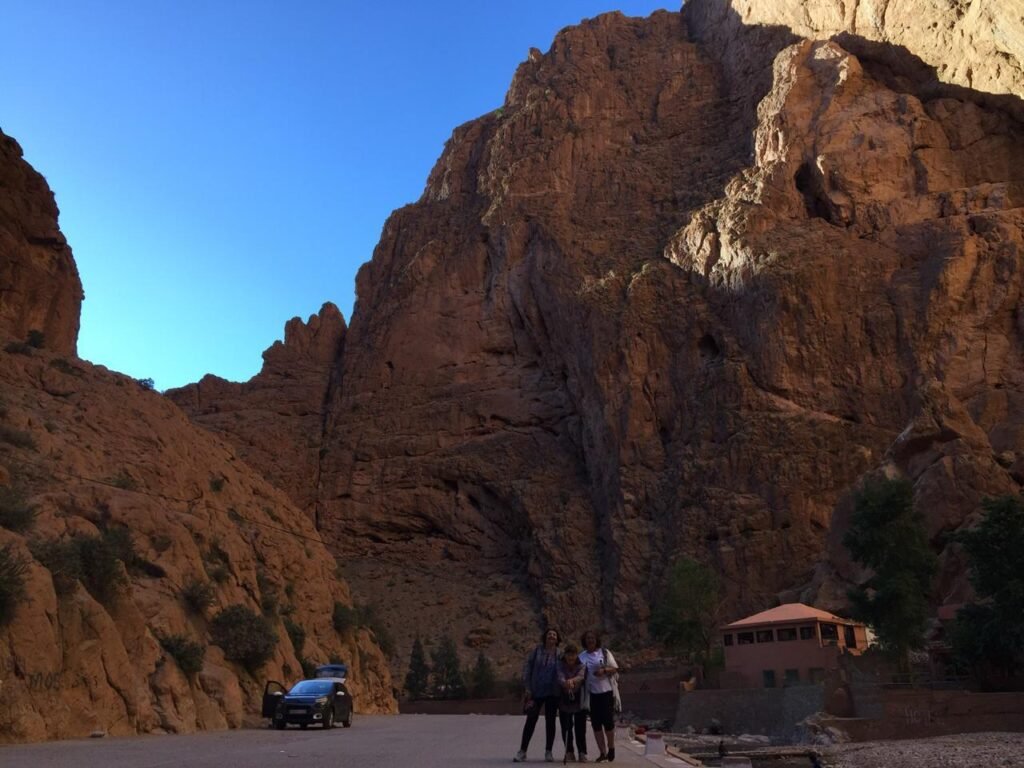
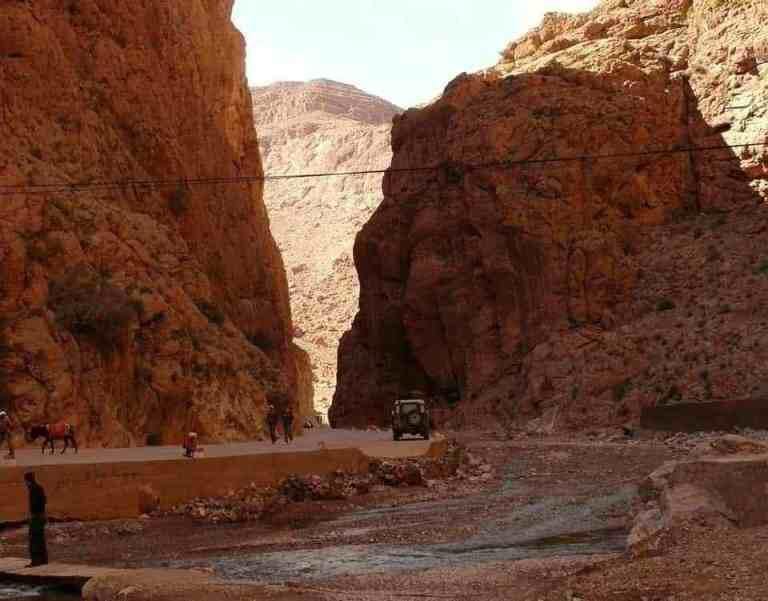
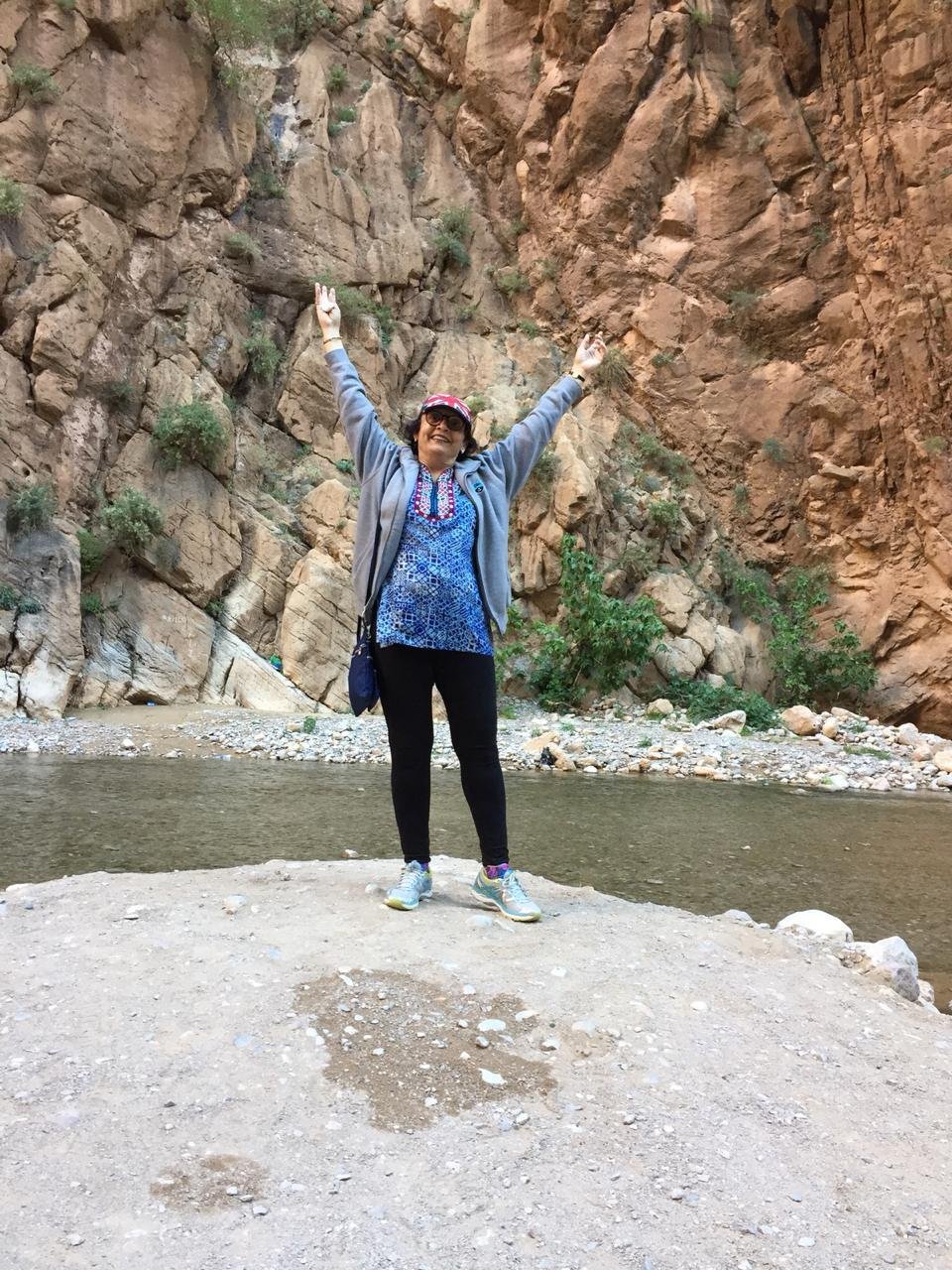
Todra Gorges are a series of limestone river canyons, in the eastern part of the High Atlas Mountains. The walls of the gorge are towering, and the river bed is dried, allowing visitors to walk through the landscape most of the year. The entire area is a paradise for photographers. The Dades Rivers are responsible for creating the Todra Gorge.
Many of the canyon walls can reach 400 meters in height. There are more than 150 bolted routes for rock climbers.
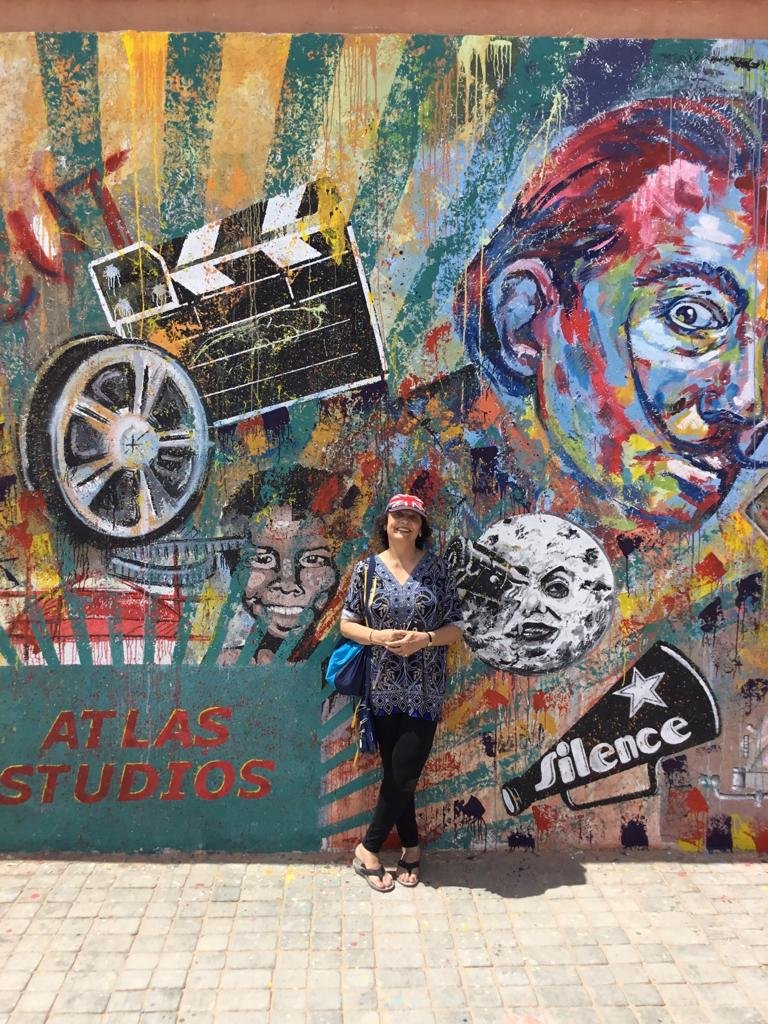
Atlas Studios is a film studio located in Morocco. Measured by acreage, it is the world’s largest film studio.[mMost of the property lies in the nearby desert and mountains. Enormous sets have been built for big budget movies representing everything from Tibet to biblical Jerusalem to Egypt. River of the Nile, The Mummy Returns, new Benhur, James Bond Spectre, Asterix snd Obelisk in French, Gladiator, games of the throne and many more.
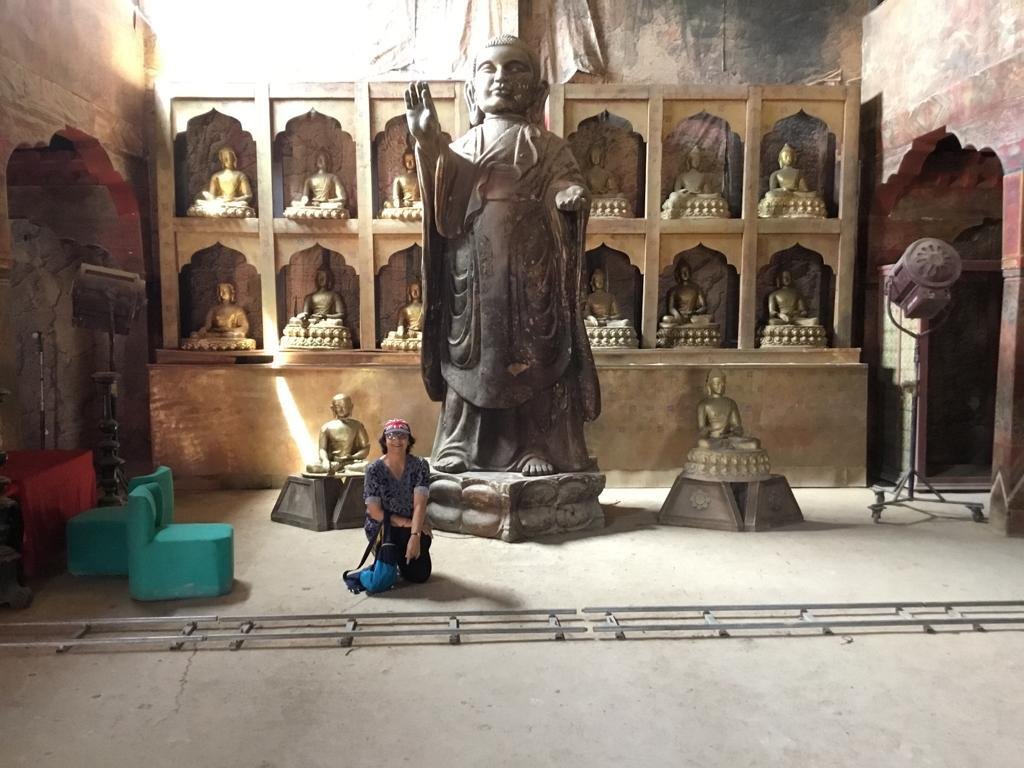
Tibetan temple/ monastery. Don’t miss the tracks for the camera dolly
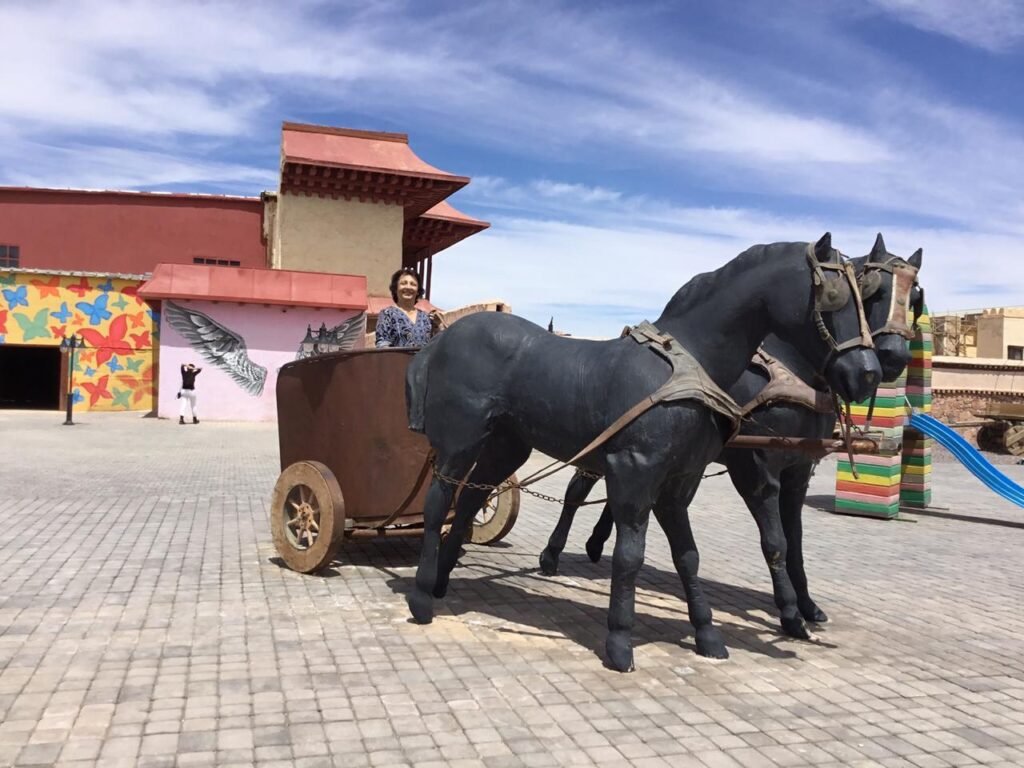
Gladiator taxi with fake horses
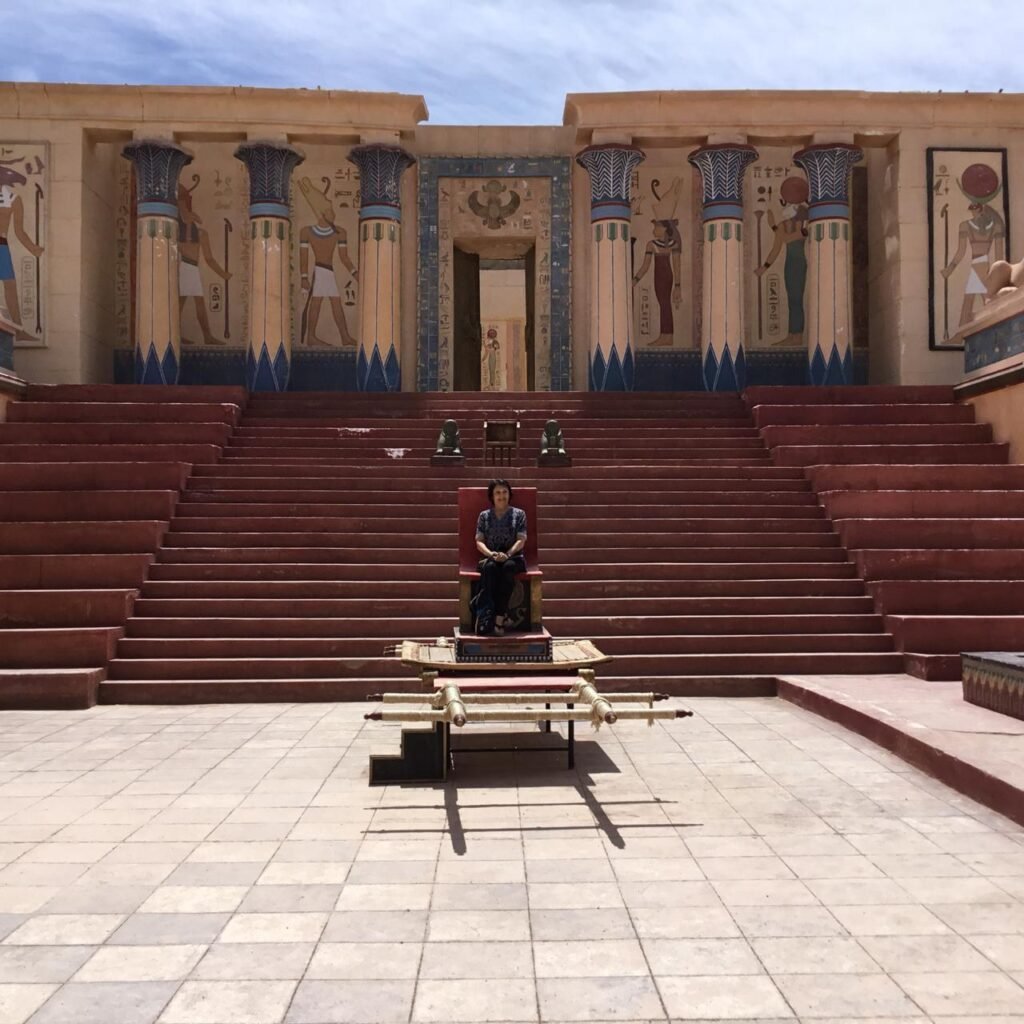
Styrofoam and wooden Konarak temple
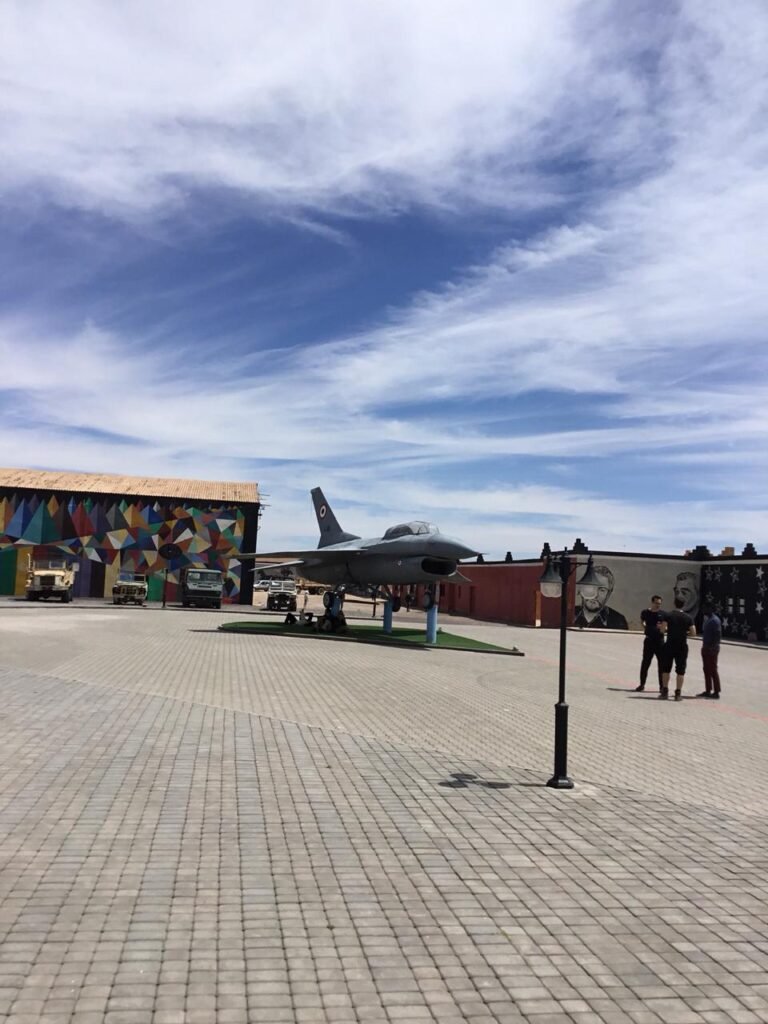
Plastic plane made for Jewel of the Nile All in all was a lot of fun
Ait ben Haddou a UNESCO heritage site is a ksar, a fortified village whose history goes back almost a thousand years.As a strategic stop for caravans of camels, often numbering hundreds, on the trans-Saharan trade route from the Sudan to Marrakech carrying gold, silver and slaves and returning with salt, it would have been a thriving town, home to thousands. It a great example of Moroccan earthen clay architecture
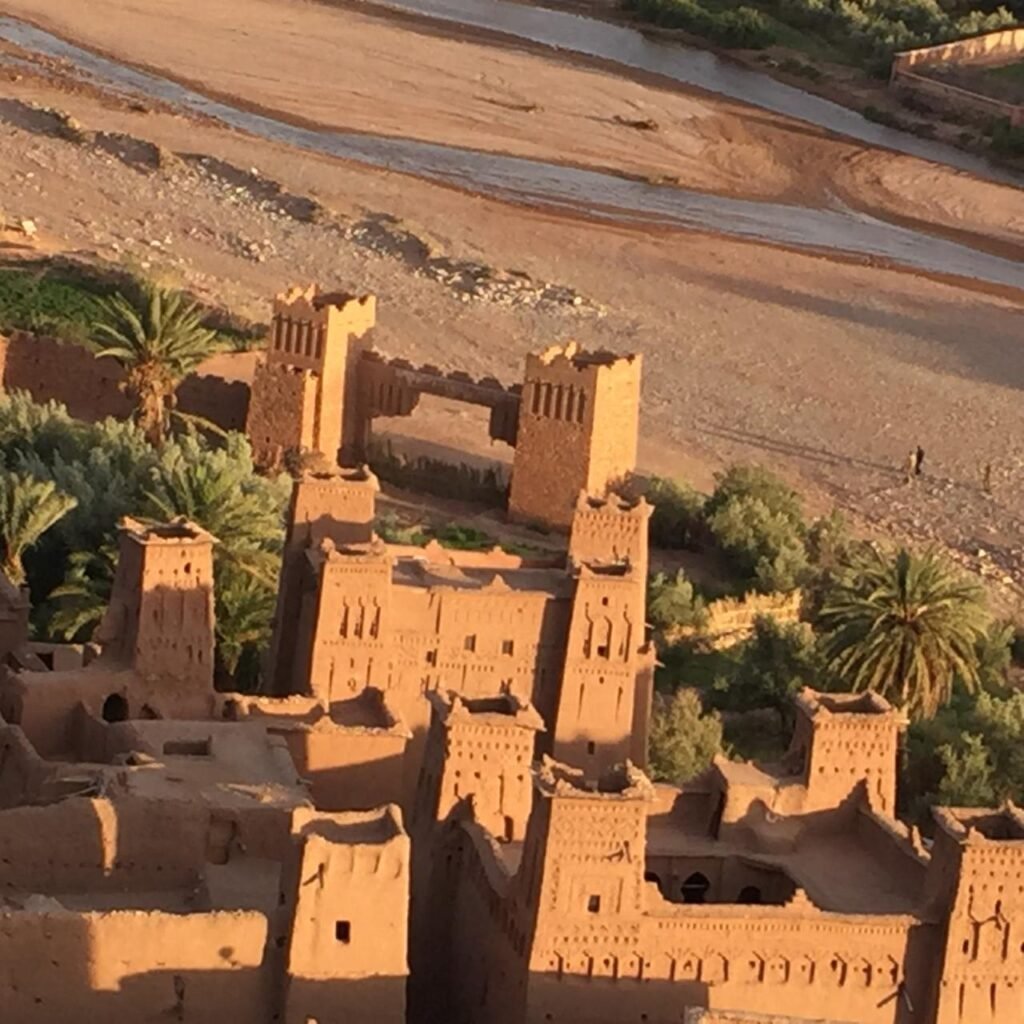
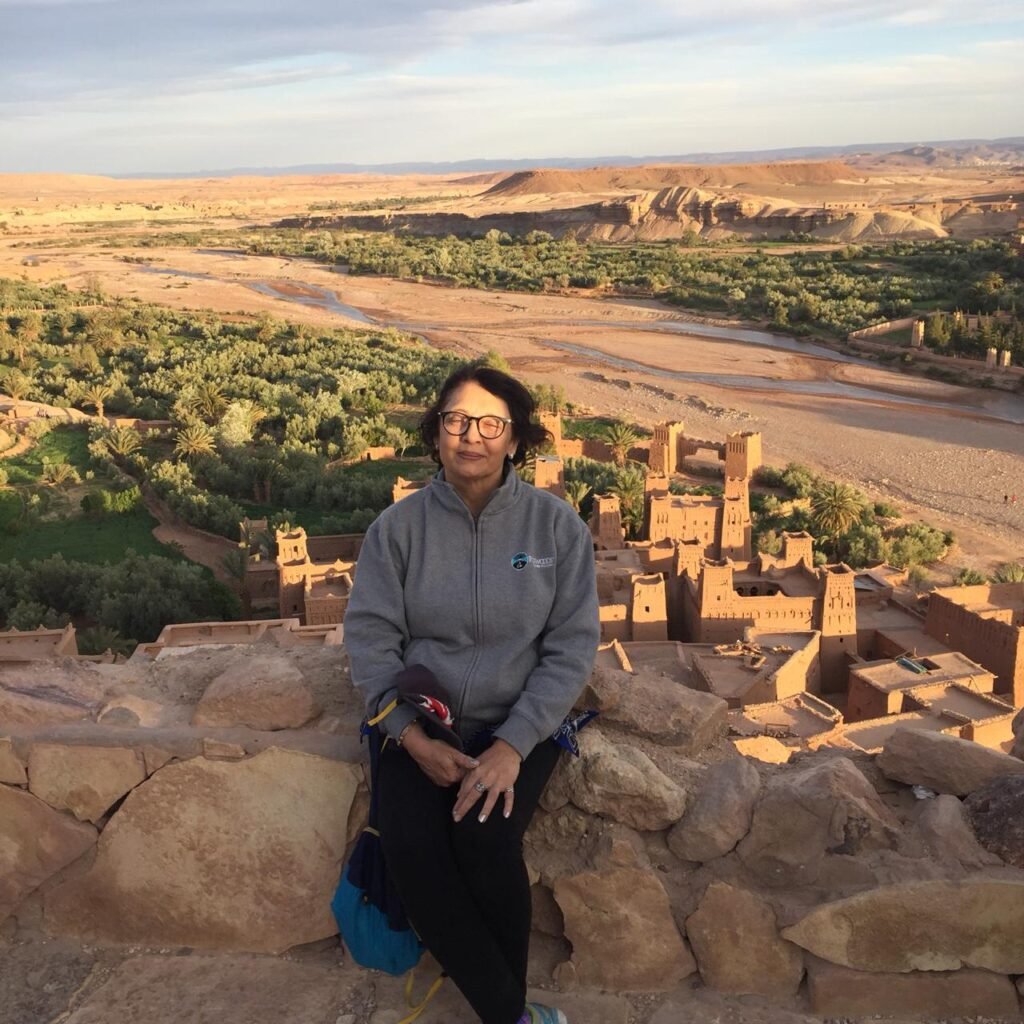
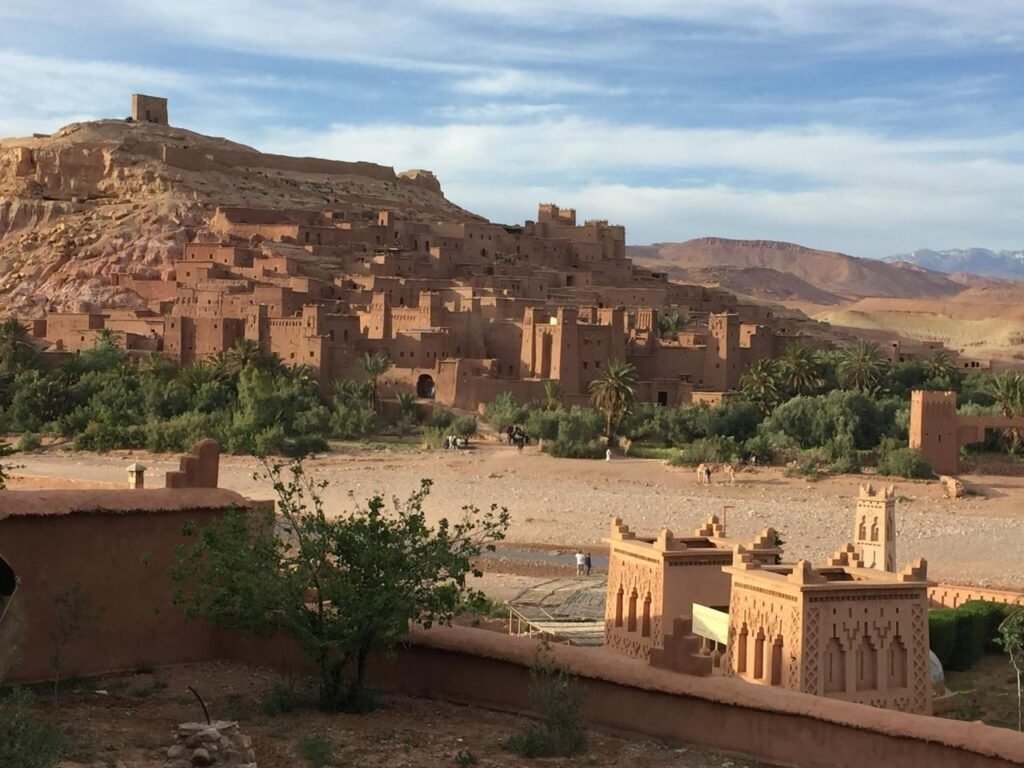
Drove through the magnificent High Atlas Mountain landscape, crossing the Tizi n’Tichka pass at 2260m and headed into the splendid Toubkal National Park, passing through small villages on winding mountain roads, arriving at the village of Imlil.
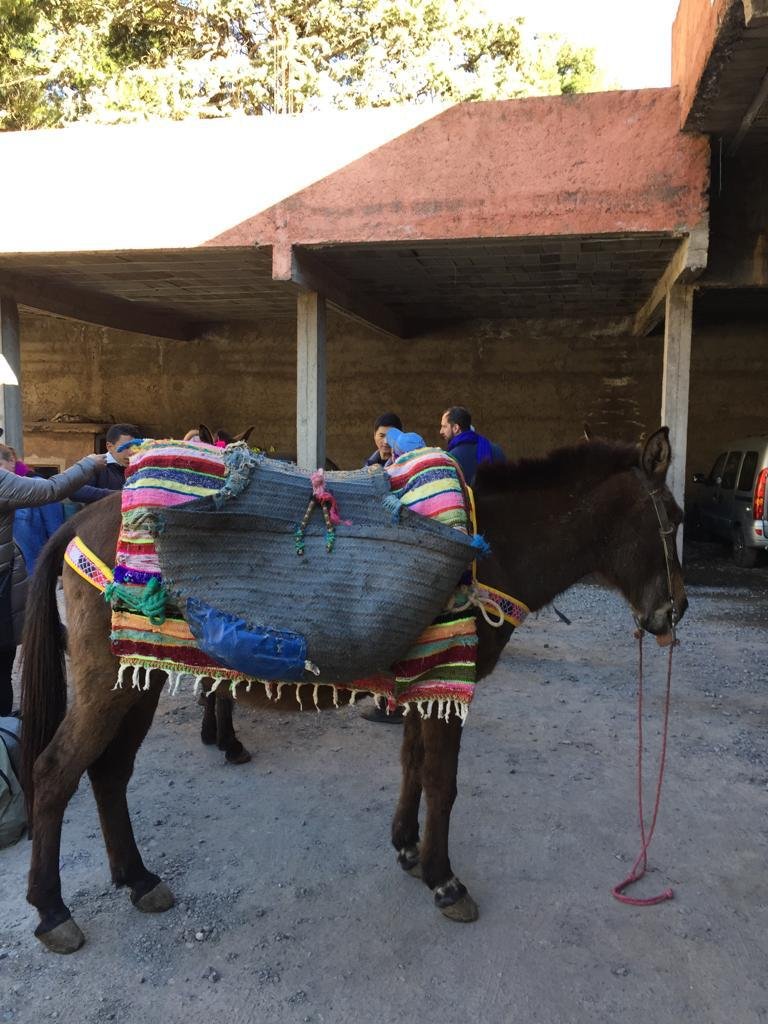
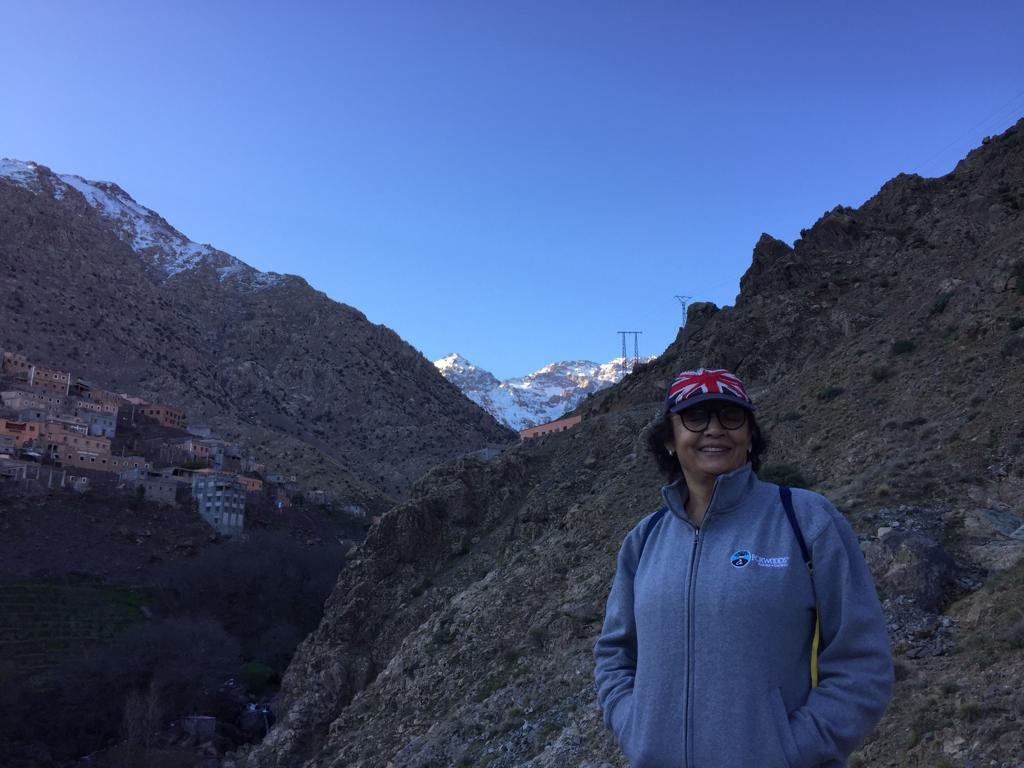
We hiked to the village of Aroumd, at the base of the High Atlas Mountains. A Mule carried our bags up to our mountain hideaway to a gite a homestay kind of basic dorm like inn. The hike for about an hour and half which gave us a good cardio workout gave us fabulous views of Mt Toubkal from the mountain gîte before a home-cooked dinner.
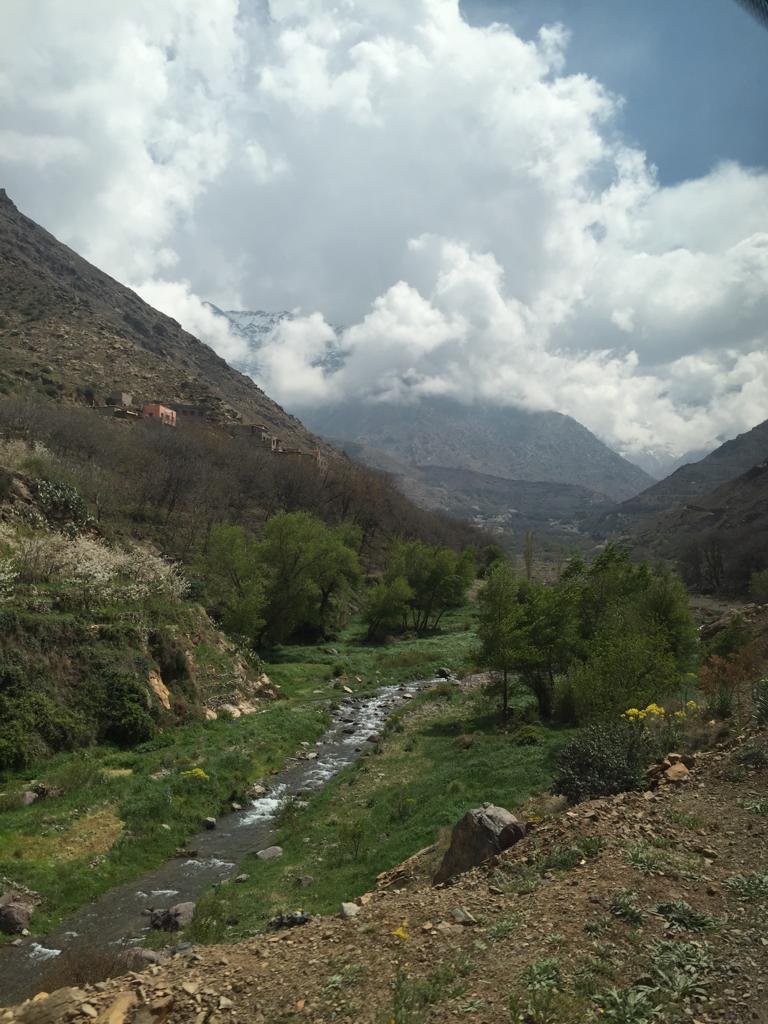
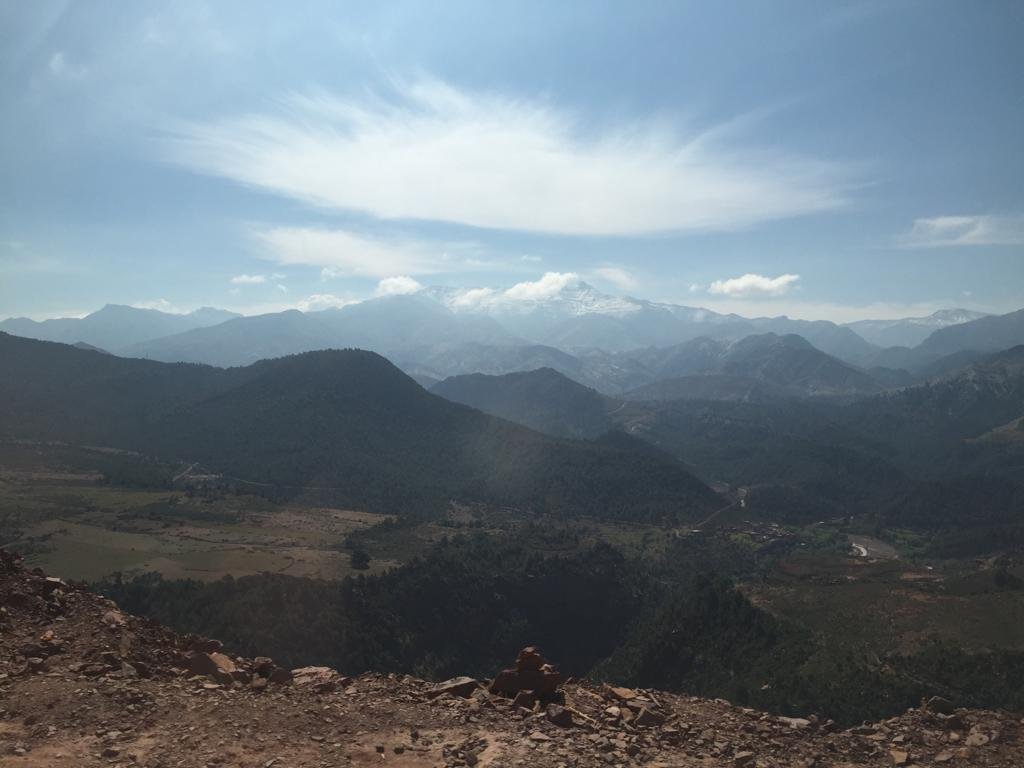
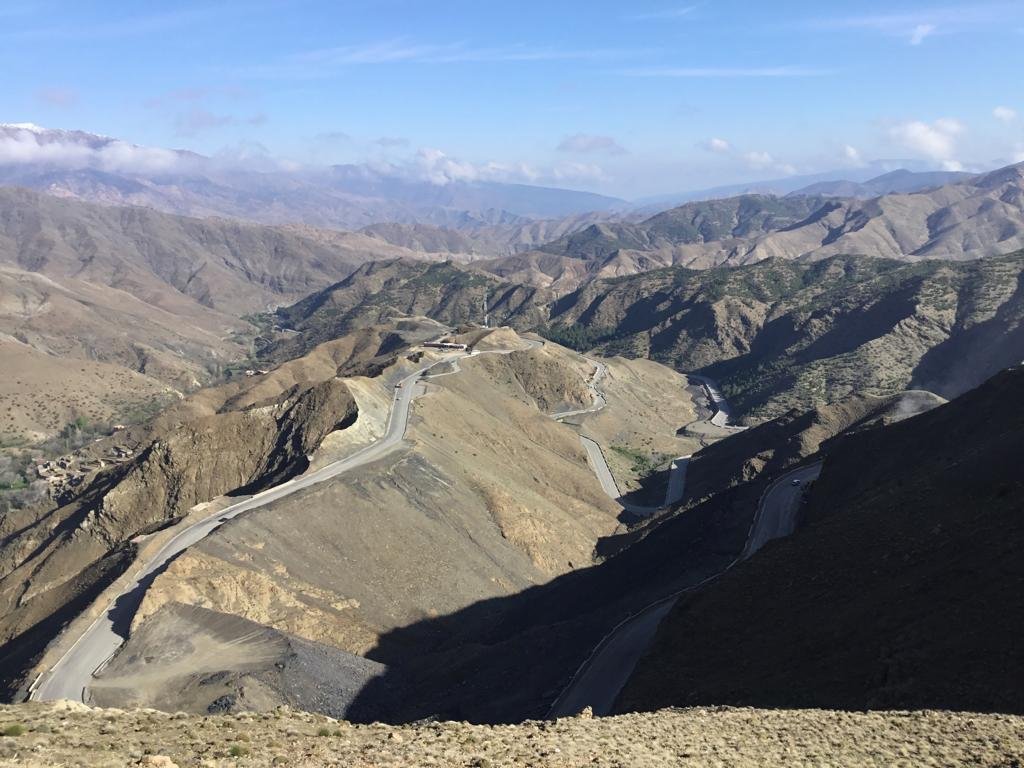
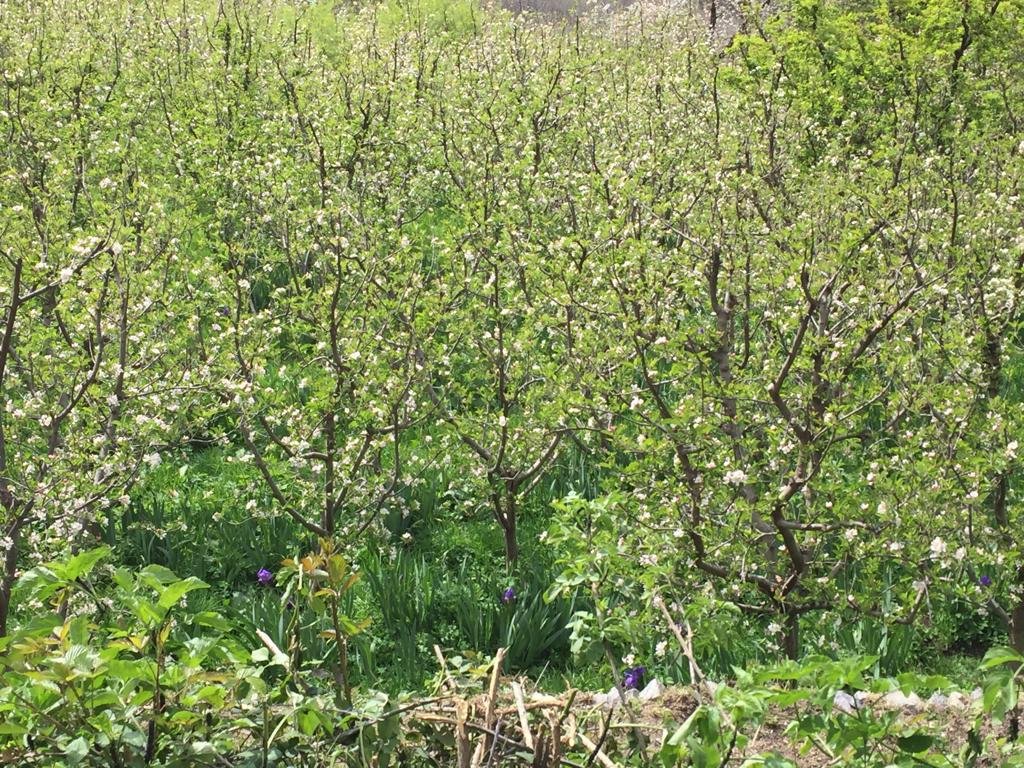
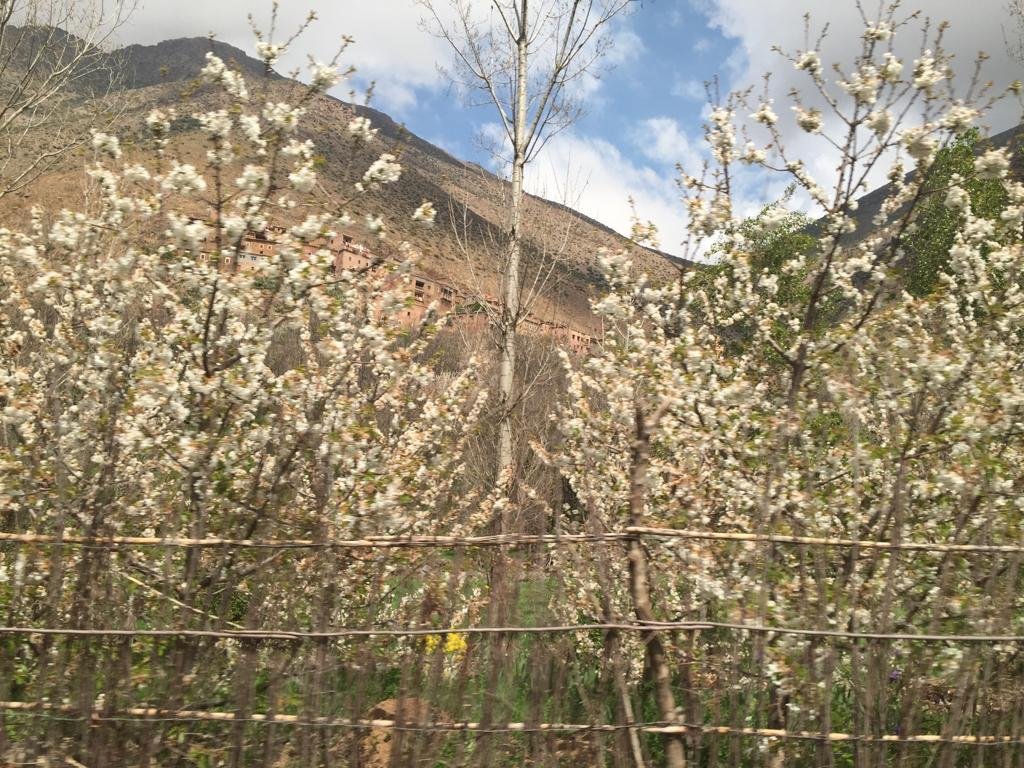
Last two pics are cherry and apple blossom
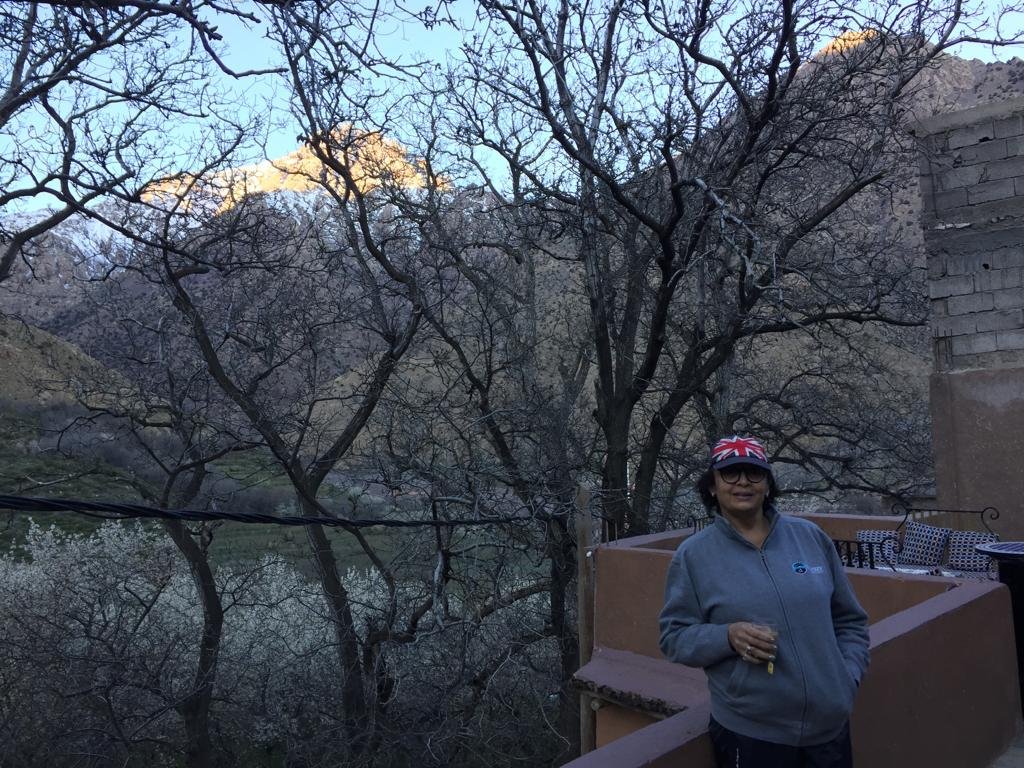
In the morning in our gite enjoying the pure mountain air with a cup of 🍵
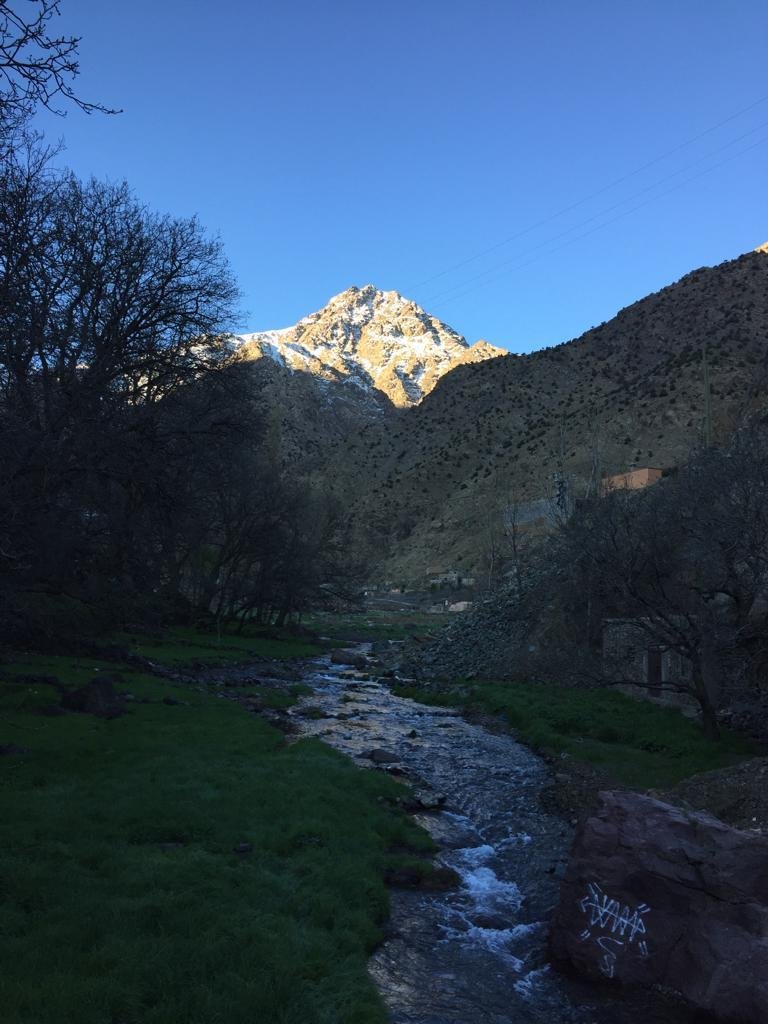
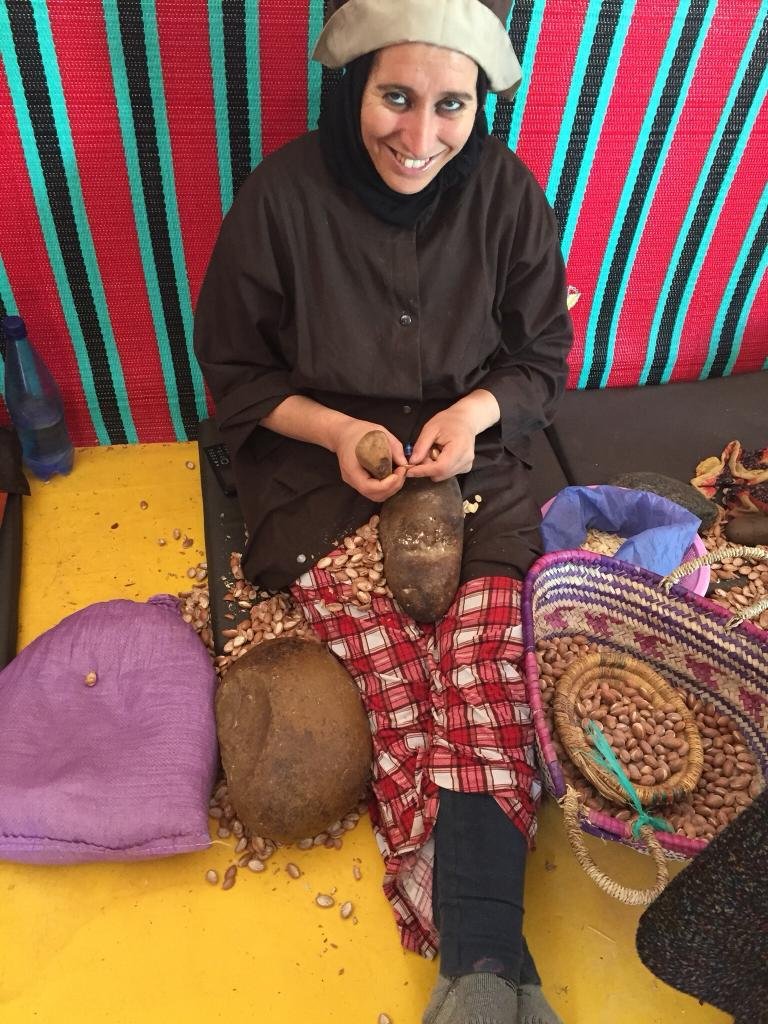
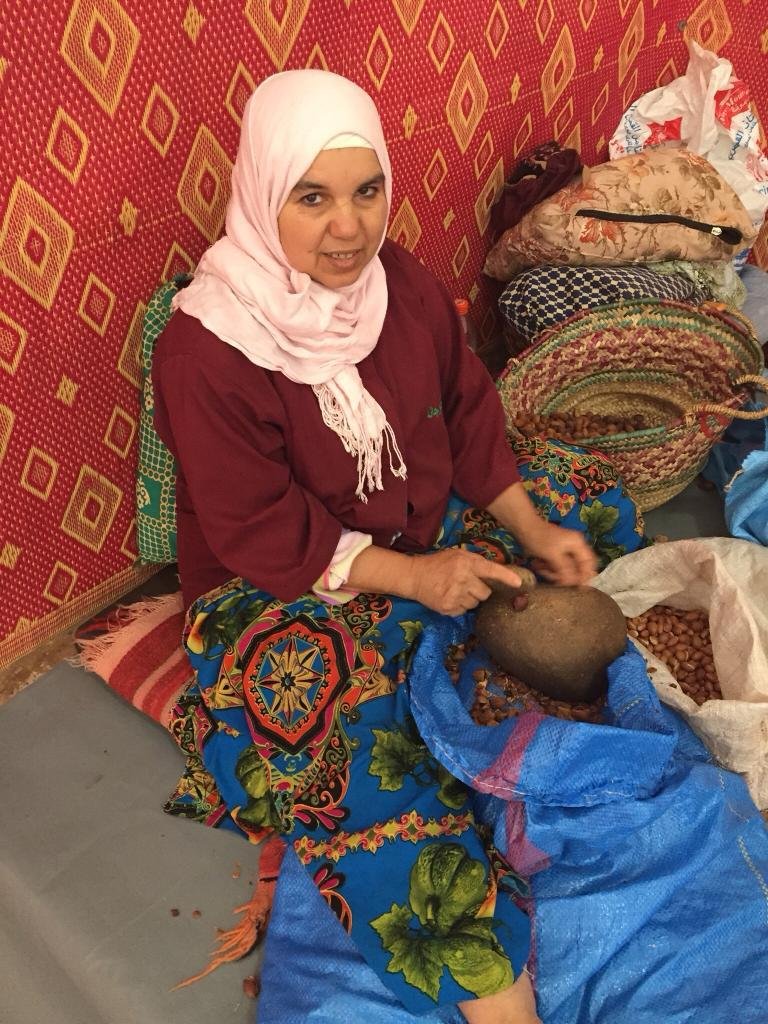
Harvesting Argan Oil
The Argan Tree grows in Southwestern Morocco, amidst recurring drought and harsh weather.
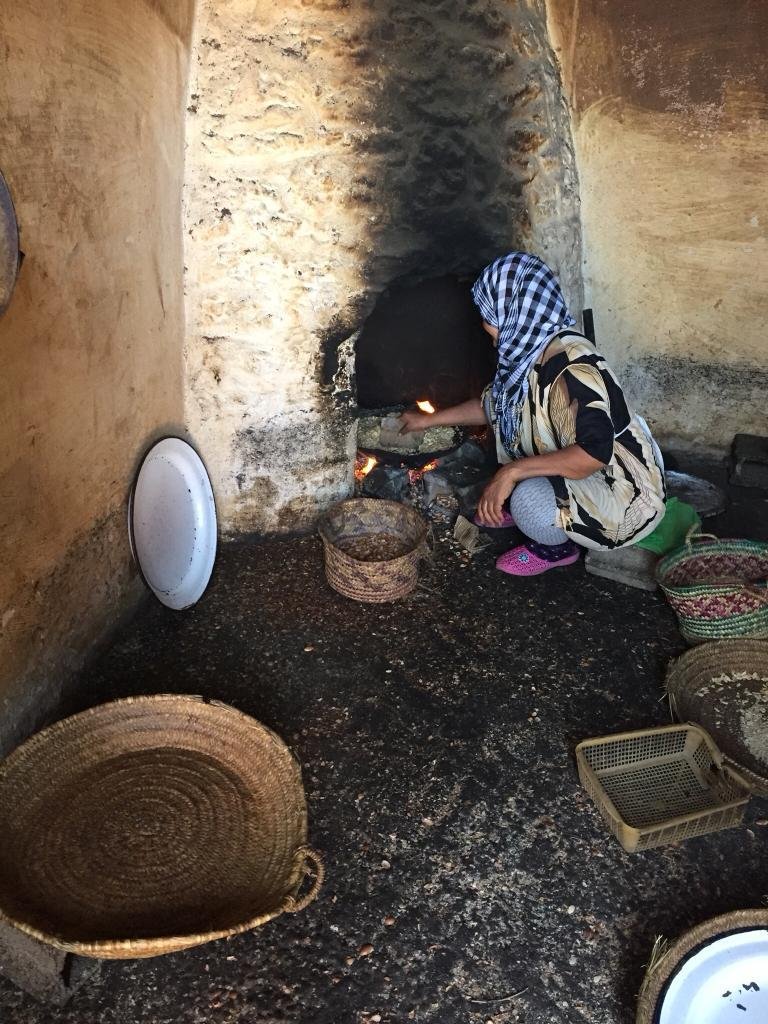
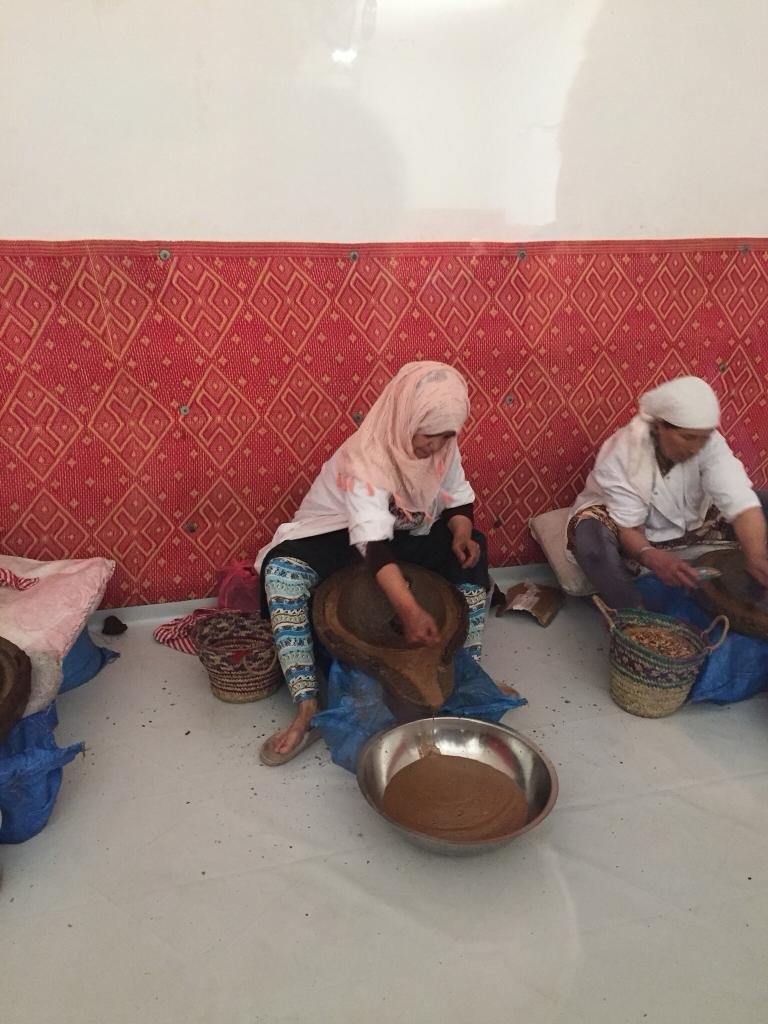
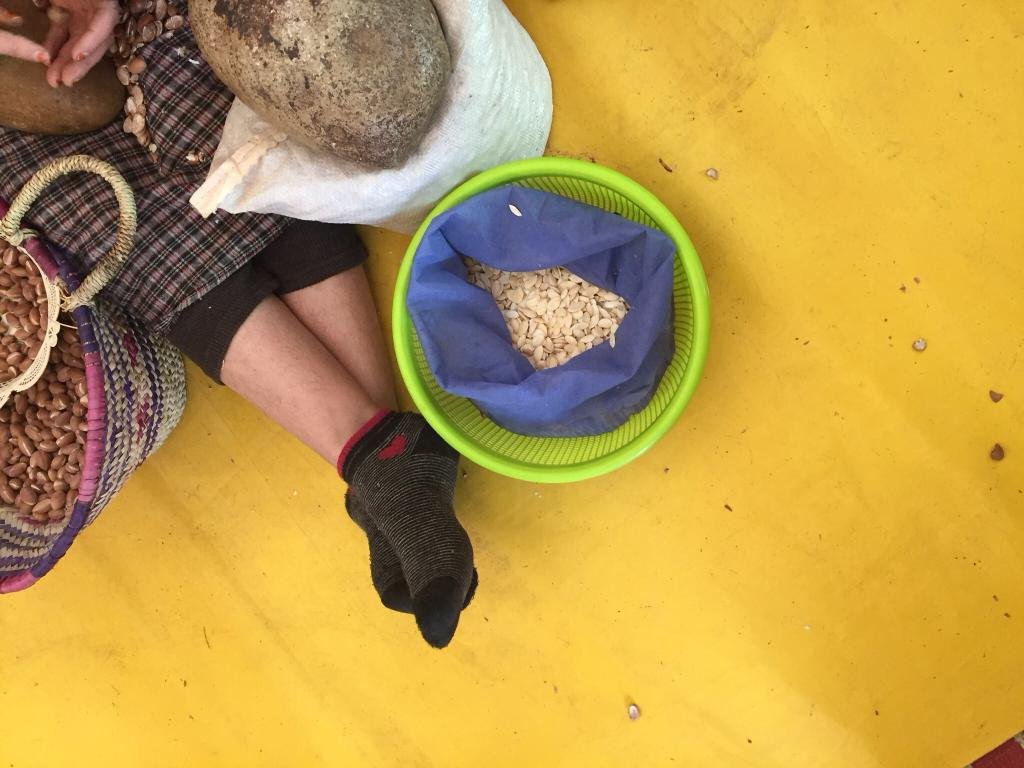
High Quality Argan fruits are selected and first dried in the open air. Then the pulp of the fruit is removed (which usually comes handy as feed for cattle). The real prize is the nut underneath the pulp which is cracked open to reveal kernels laden with oil. The kernels then are placed between two slacks of rock and grinded into a brown paste. The paste is further kneaded by hand to extract the nutty oil from within.
The brown- colored paste of kernels will ooze out pure, unfiltered Argan oil. This is 100% organic and chock-block full of nutritious elements for skin and hair.
the women first pluck the Argan fruit from trees, dry it out and then separate the pulp from the nut. Next, the women crack the Argan nut shell with sharp stone or implements. The kernels then are placed between two slacks of rock and grinded into a brown paste. The paste is further kneaded by hand to extract the nutty oil from within.
In Morocco, argan oil is used to dip bread in at breakfast or to drizzle on couscous or pasta. To use for culinary purposes kernels are gently roasted.
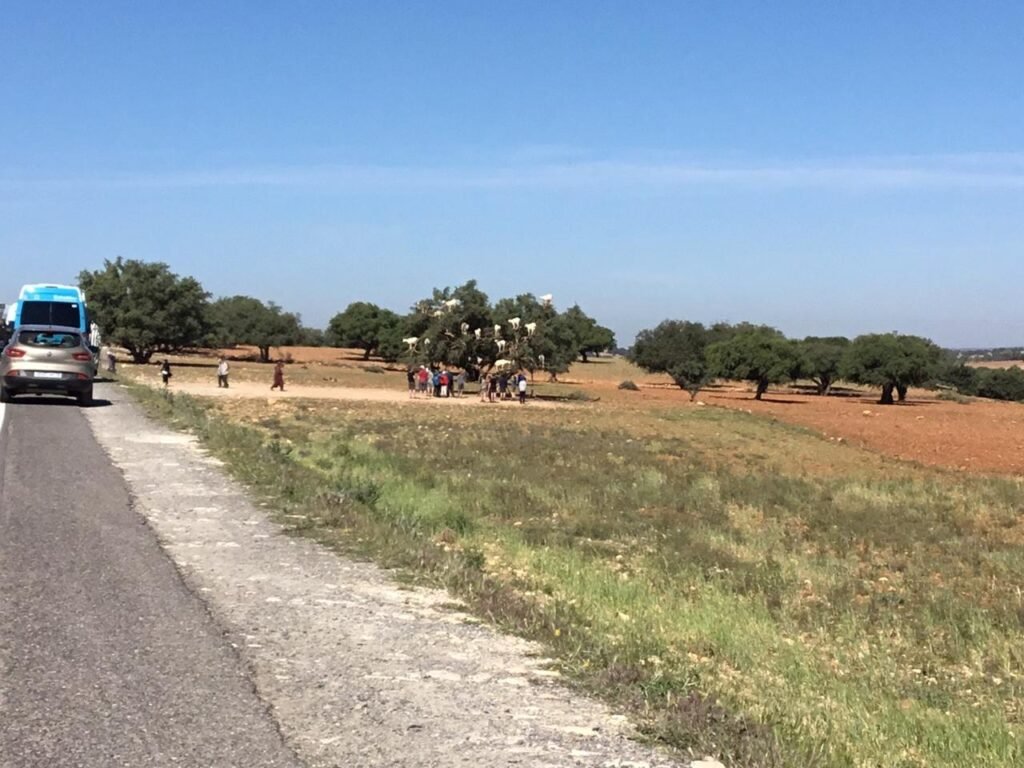
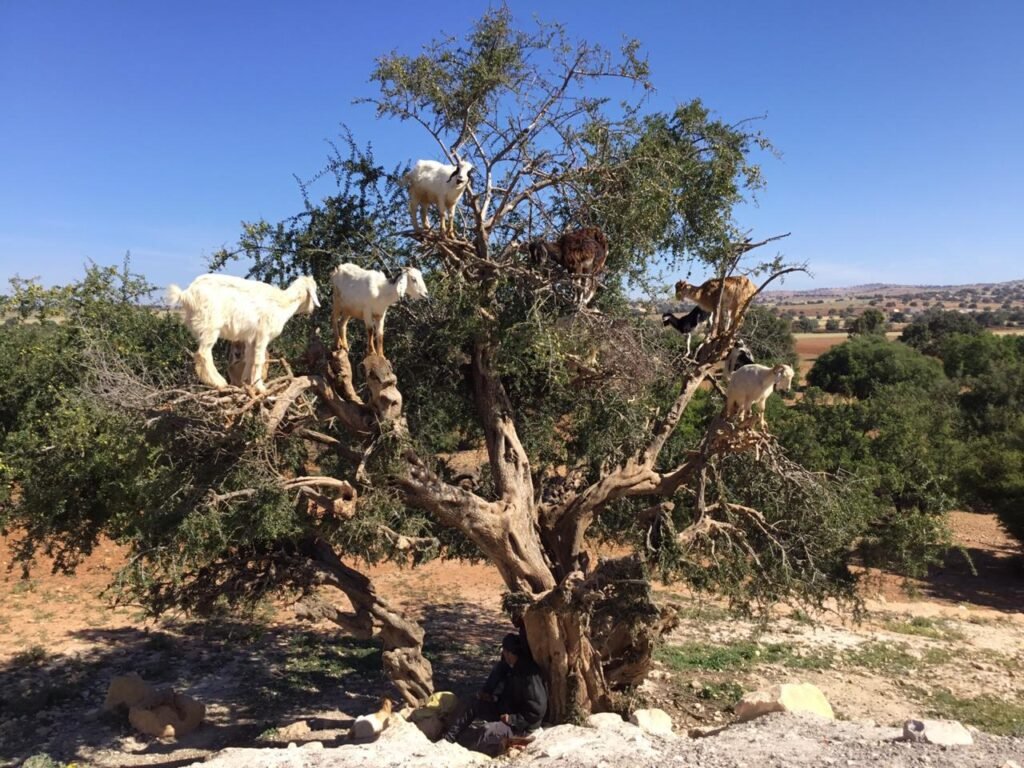
The last two photos of goats on trees is a bit staged I think. It’s a common sight to see goats climb up on argon oil tree to eat the fruit . This is encouraged since they invAriably drop some more fruit helping the farmers avoid prickly thorns
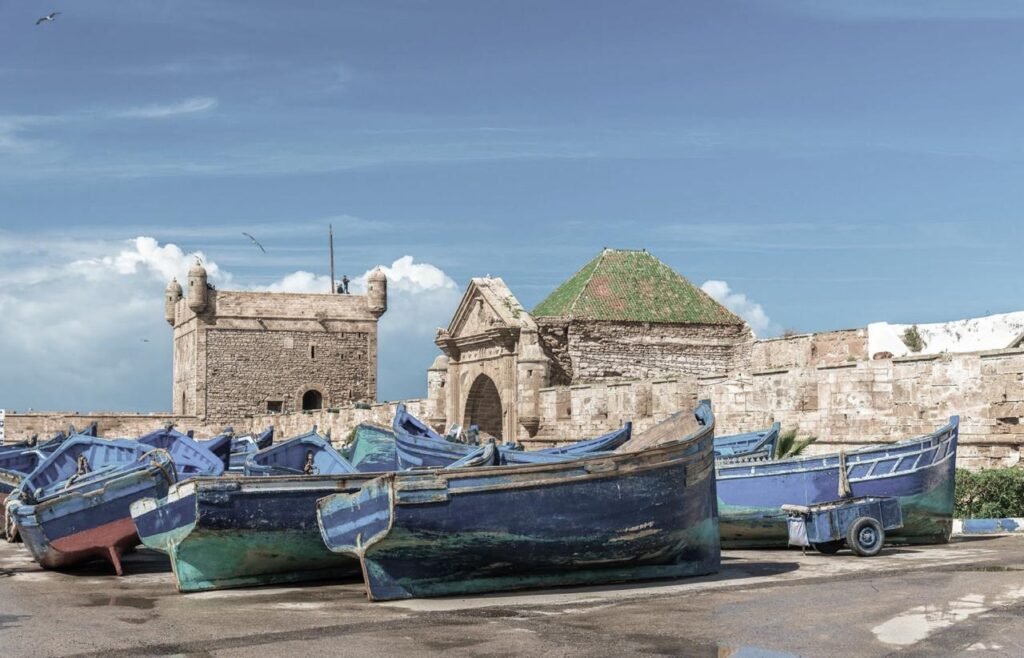
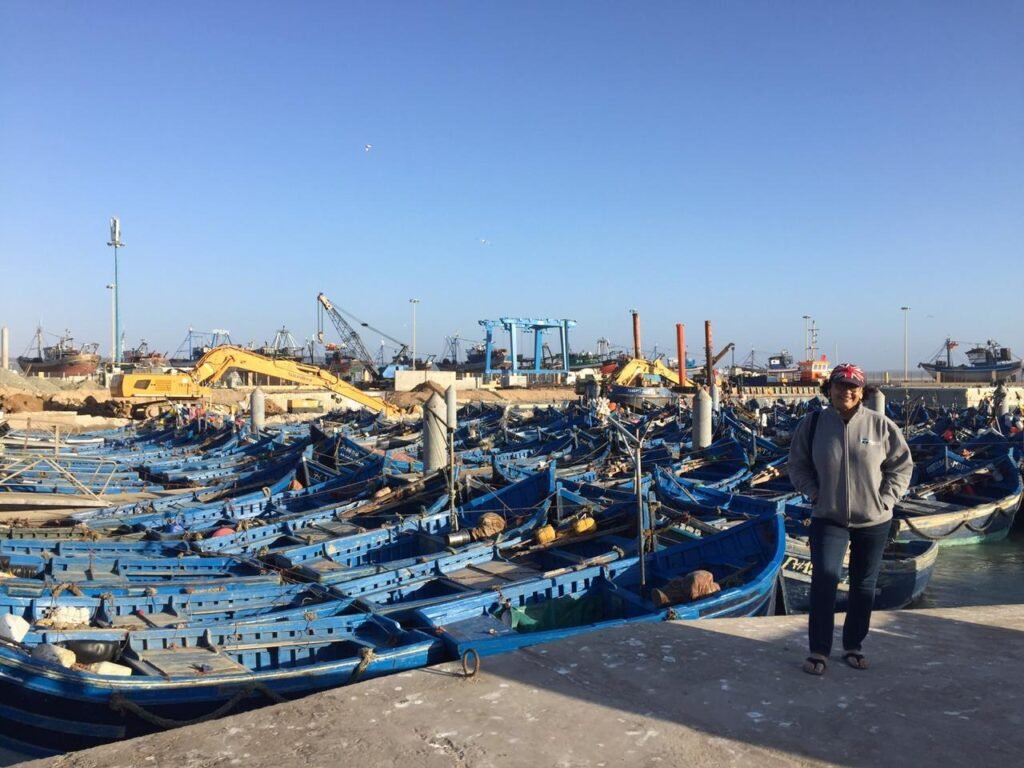
Essaouira a port city on the Atlantic coast is Known as the ‘Wind City of Africa’ . Essaouira attracts plenty of windsurfers, one of the known places. It has a bustling Médina full of shops. Was a very relaxing time
Marrakech for me is a city contradictions and extremes – at once African and Arab, eastern and western, Médina town and modern city,, elegant and rough-round-the-edges. At times daunting, occasionally maddening. It is home to beautiful mosques, palaces and gardens, as well as the famous Jemaa el-Fnaa square and souk markets.
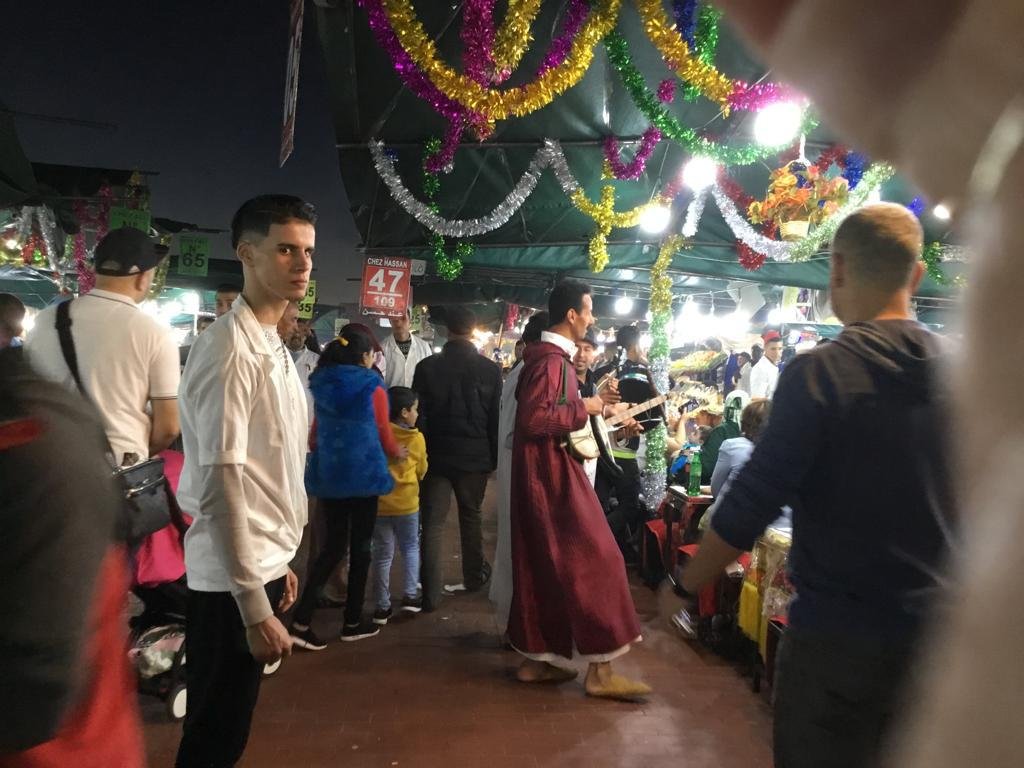
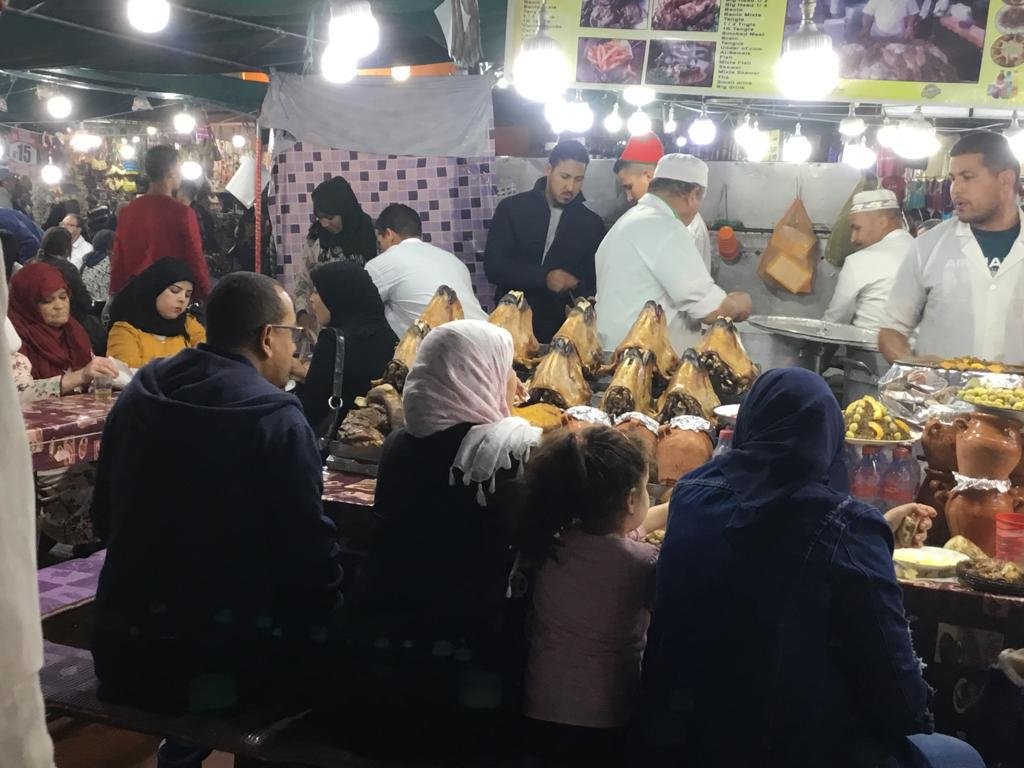
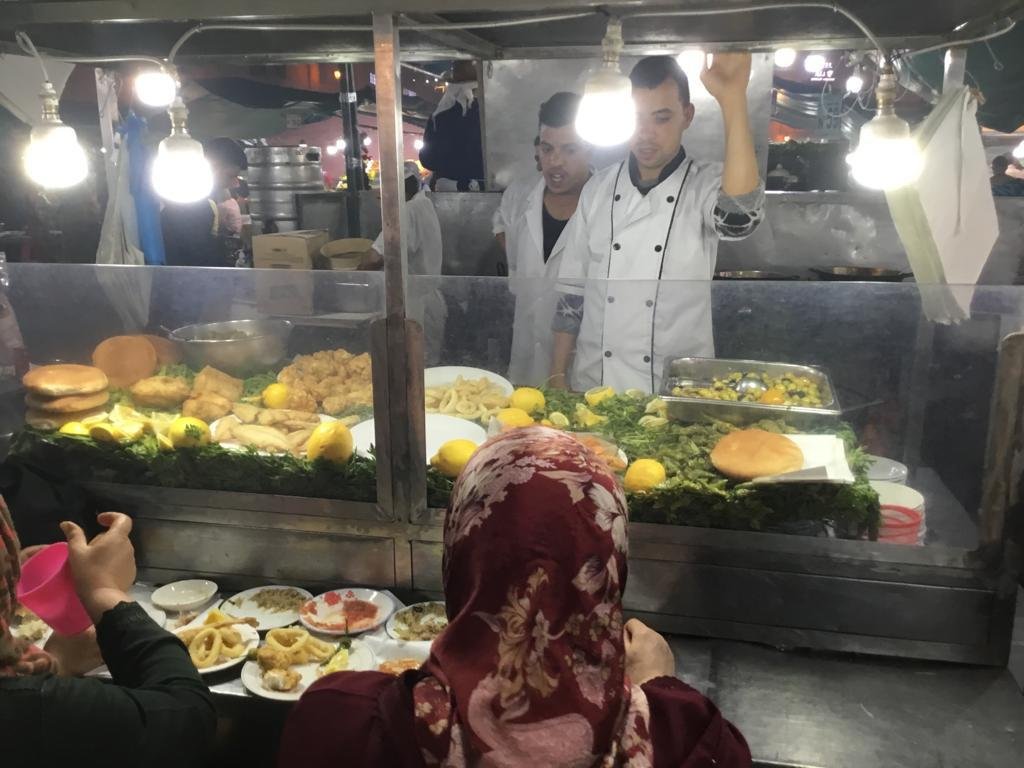
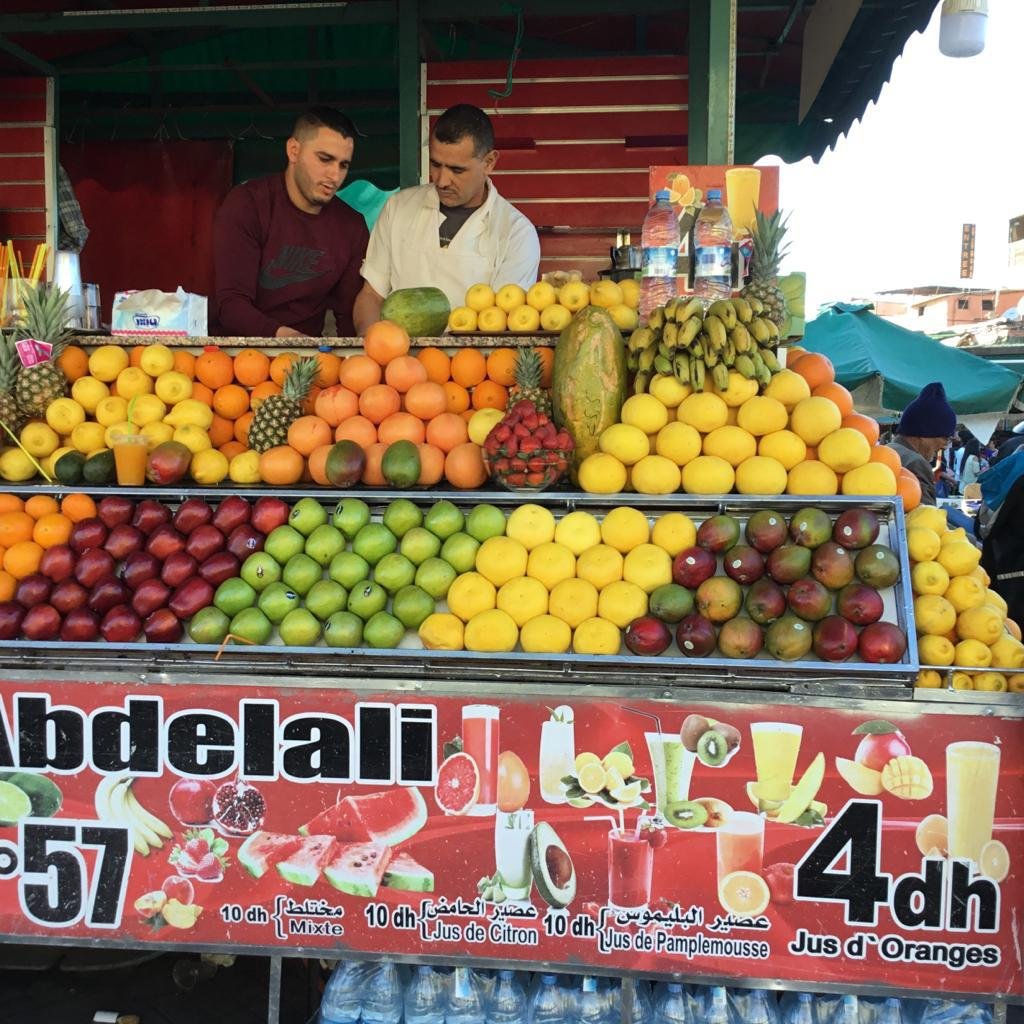
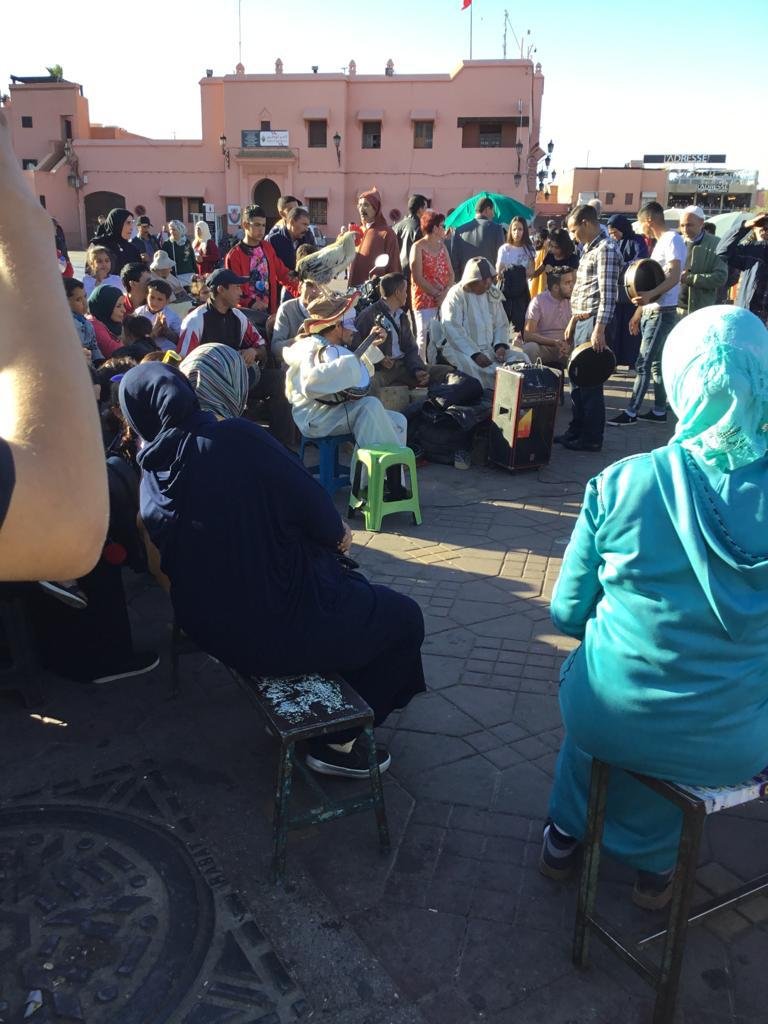
Jemaa el-Fnaa is the main pulse of Marrakech. By day, the square buzzes with snake charmers, henna-tattoo artists and various other entertainers, all who demand to be paid if U r caught snapping a pic of them . At Night there are countless stalls boasting traditional lamb , fish , chicken dishes and fresh fruit-juices among other culinary delights.
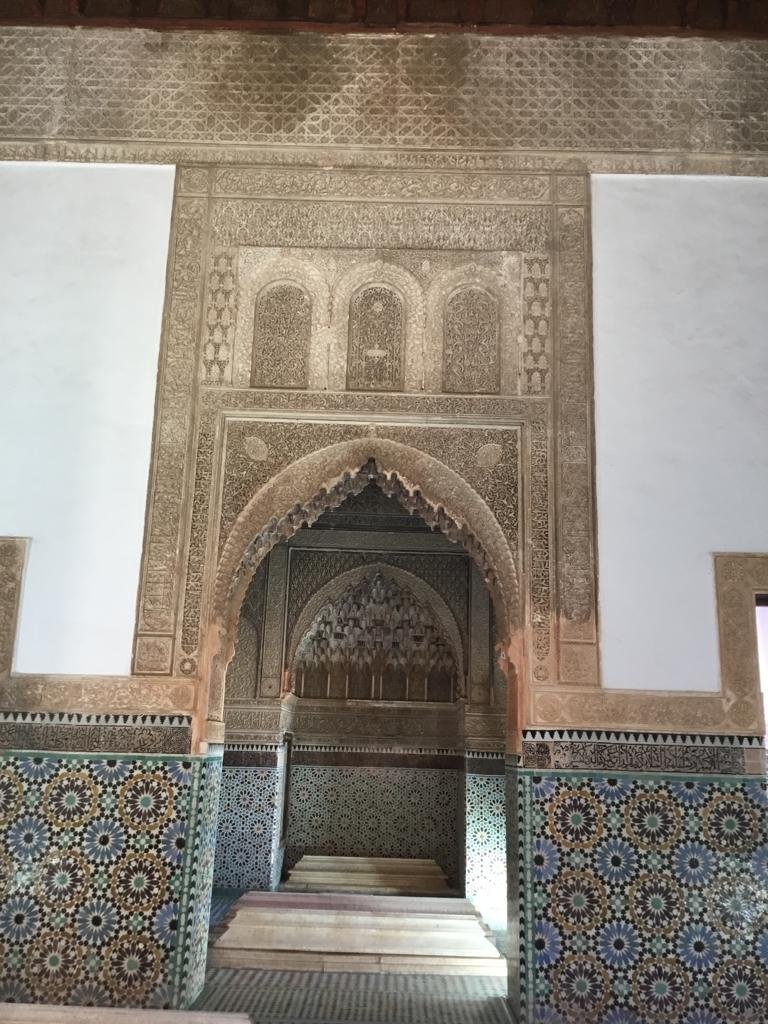
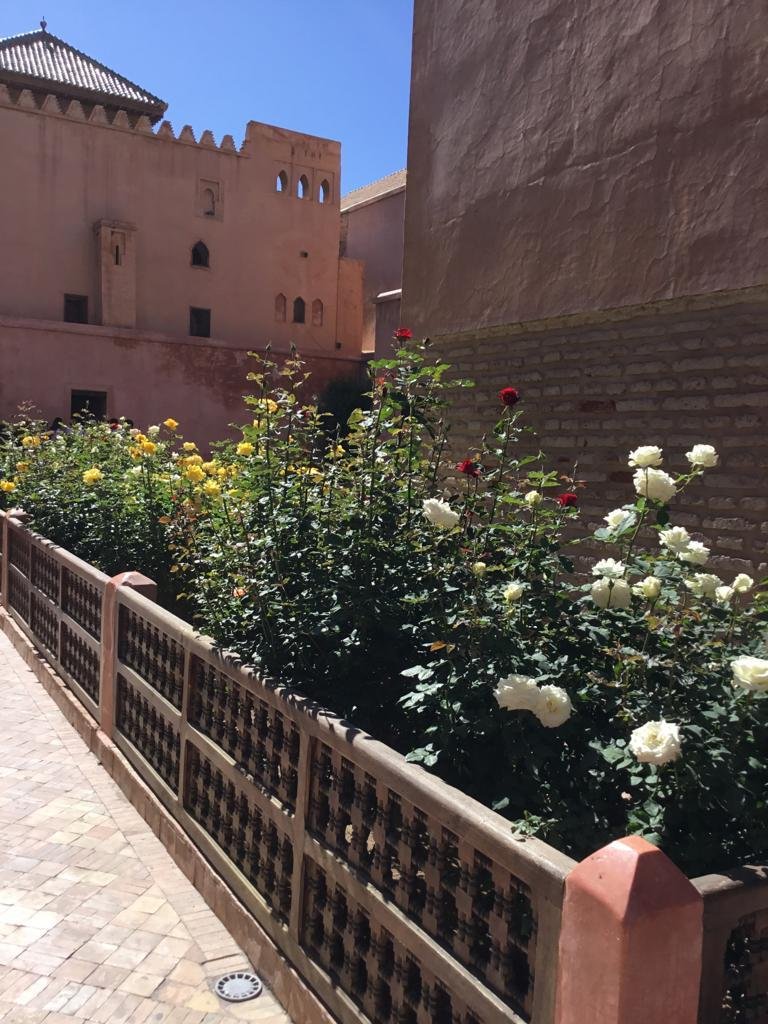
SAADIAN Tombs were created to stand as the final resting place for the many rulers and members of the Saadi dynasty. the Saadian tombs were rediscovered in 1917 after being sealed for centuriesand are Magnificently decorated with bright tiles, Arabic calligraphy, and intricate carvings
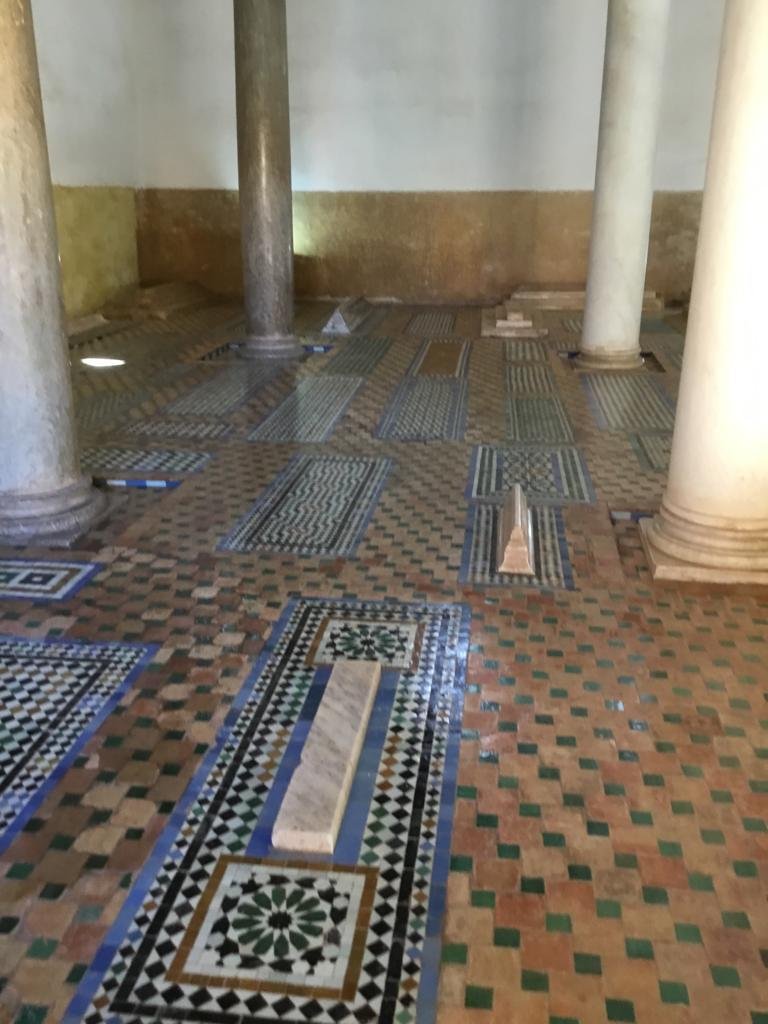
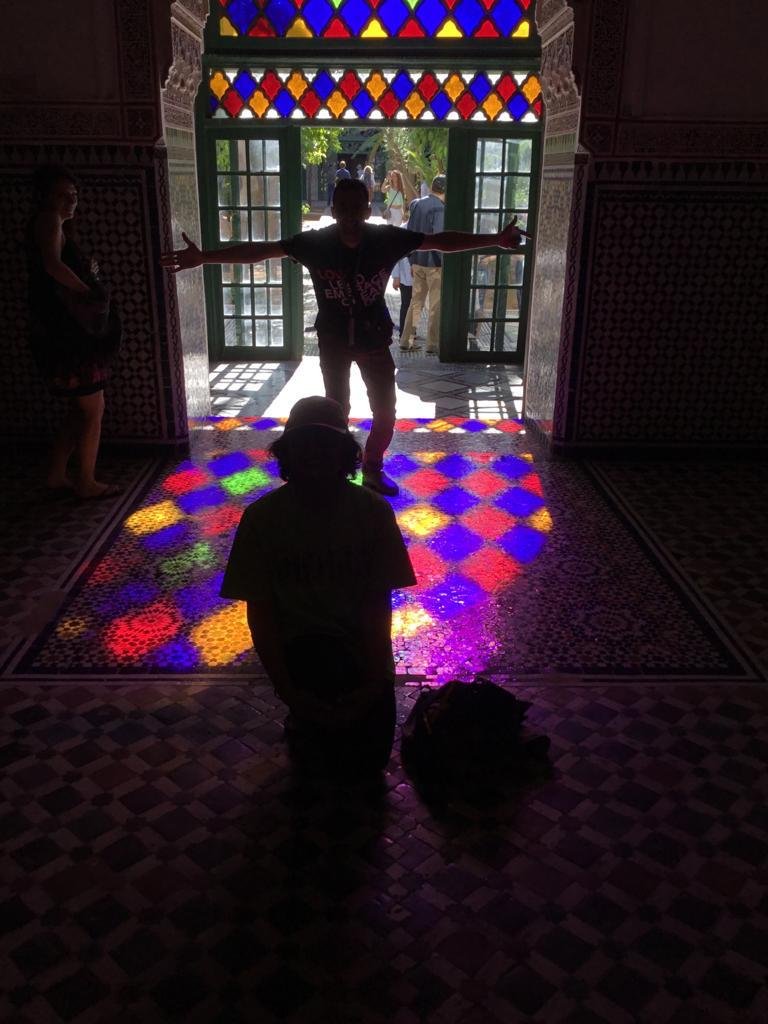
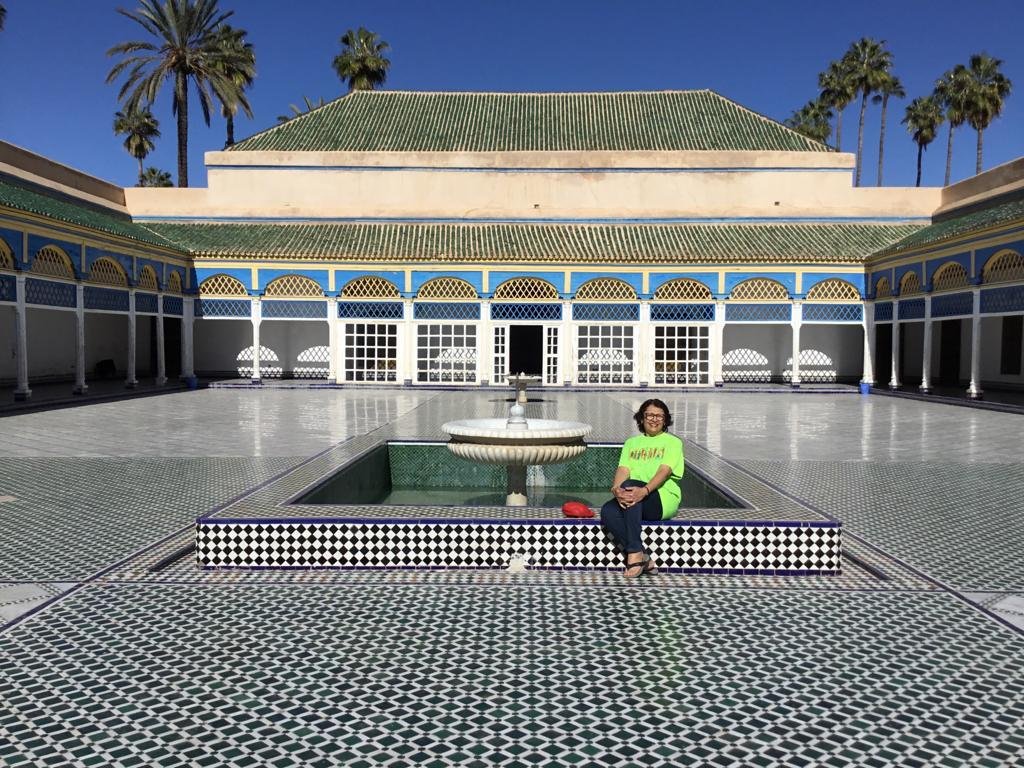
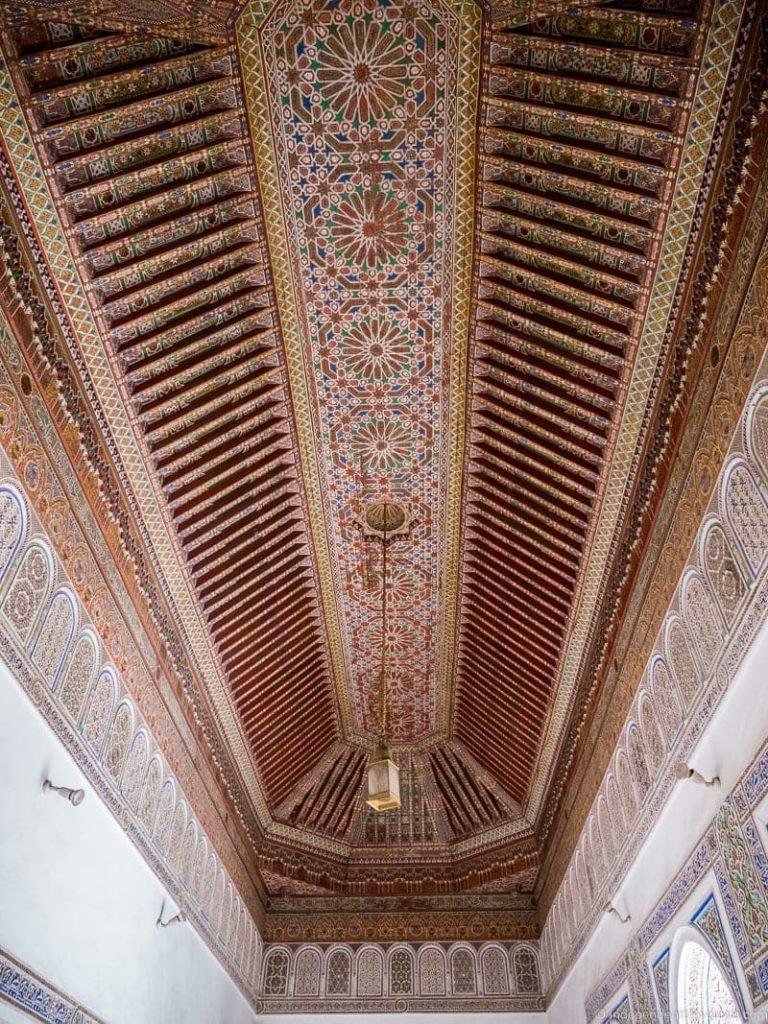
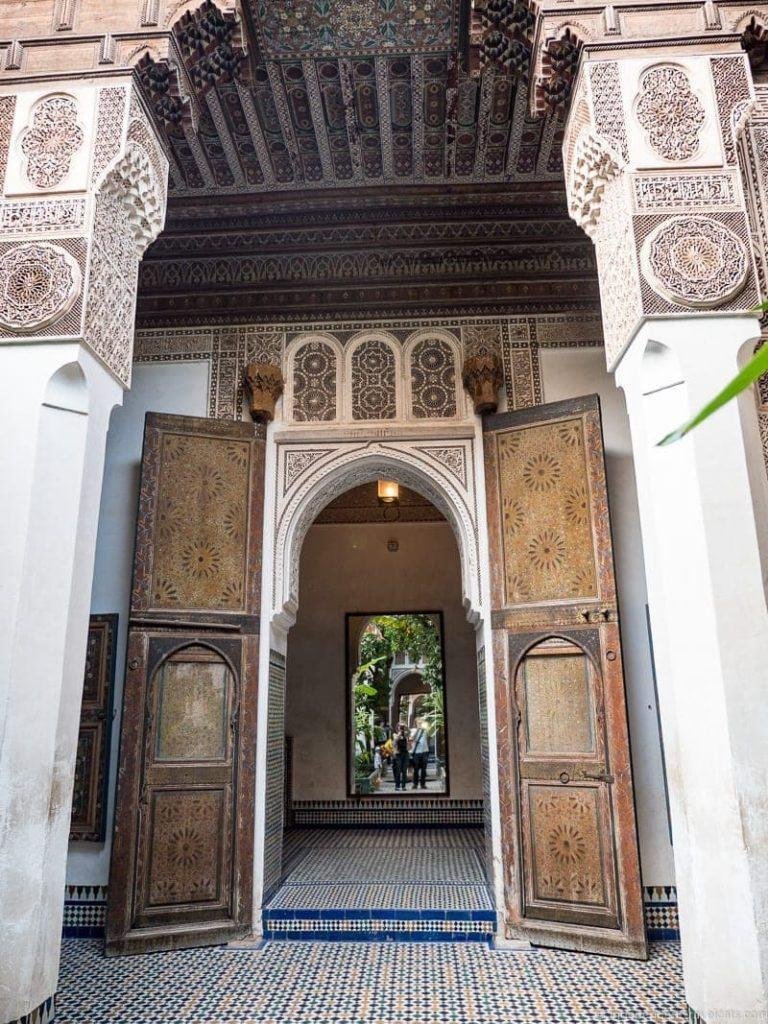
The Bahia Palace meaning “brilliance “is both a palace and a set of gardens situated completed in 1900.
The building incorporates beautiful and intricate stucco work and a form of mosaic known as zellij (or zellige), which was topped by painted, inlaid woodwork ceilings. It was built for the grand vizier of the sultan, for his personal use. Here, the harem, which includes a vast court decorated with a central courtyard and surrounded by rooms intended for the concubines. Amazing Moroccan architecture and workmanship
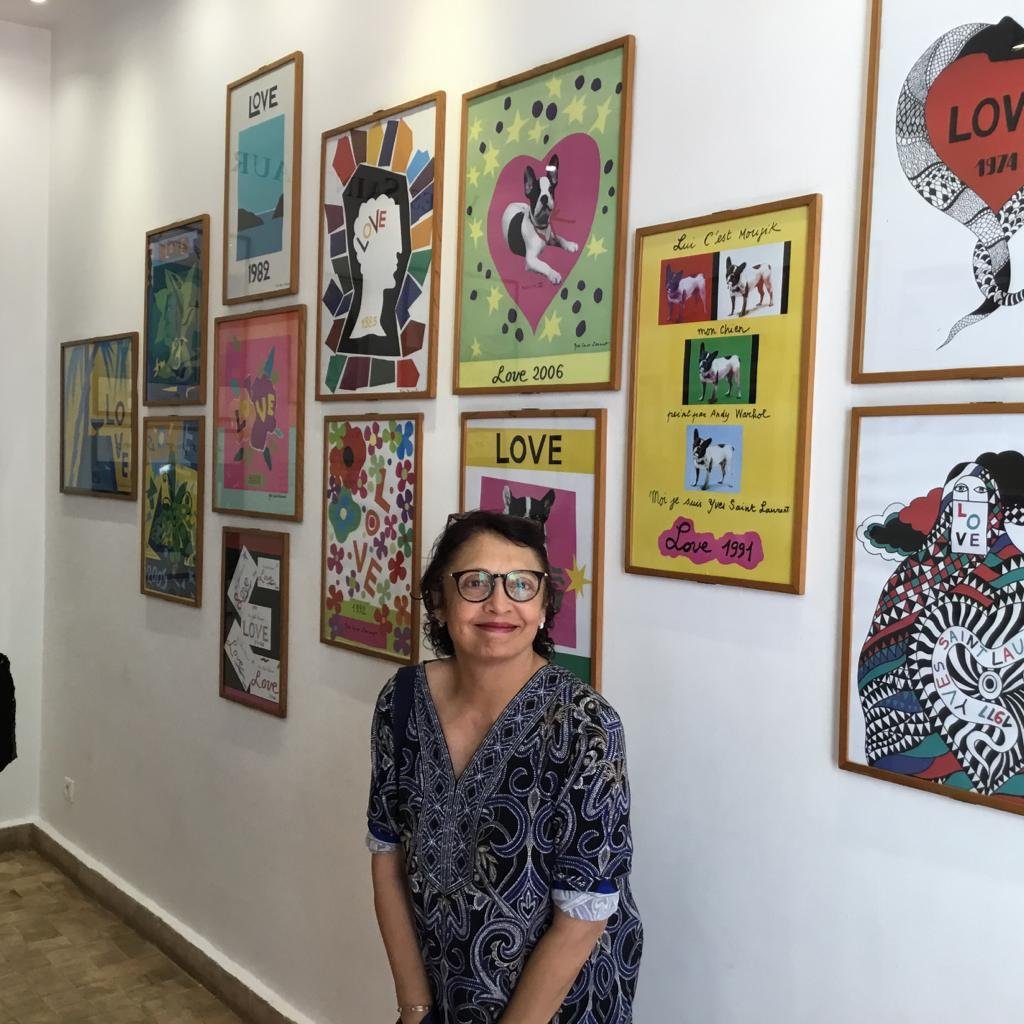
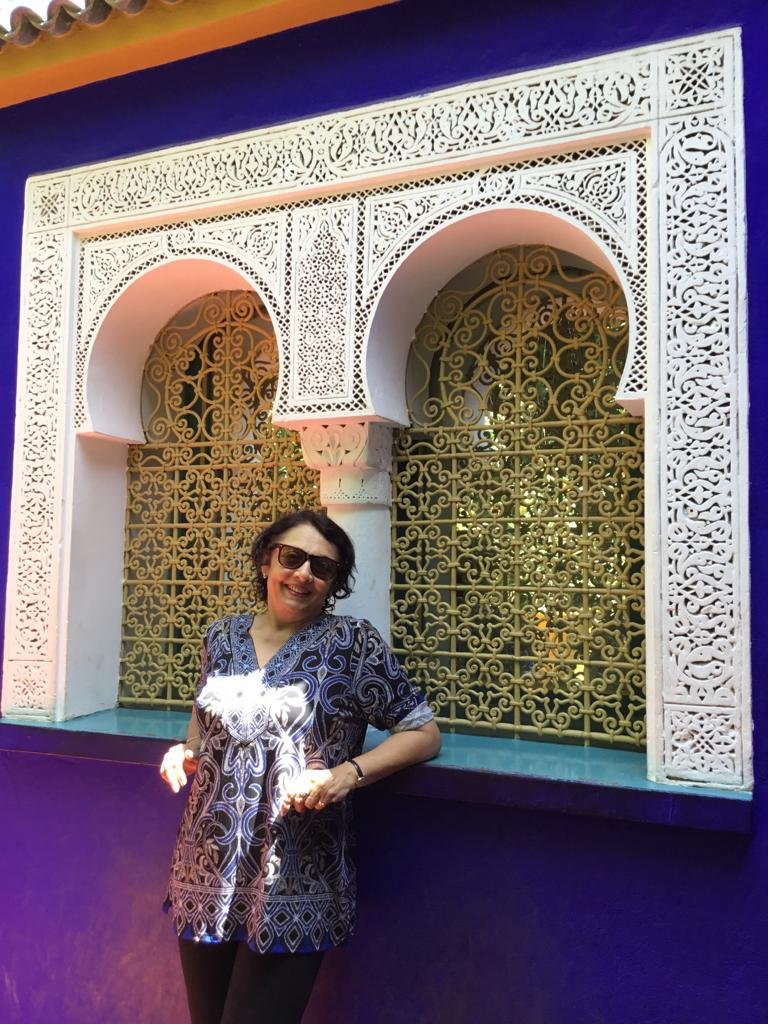
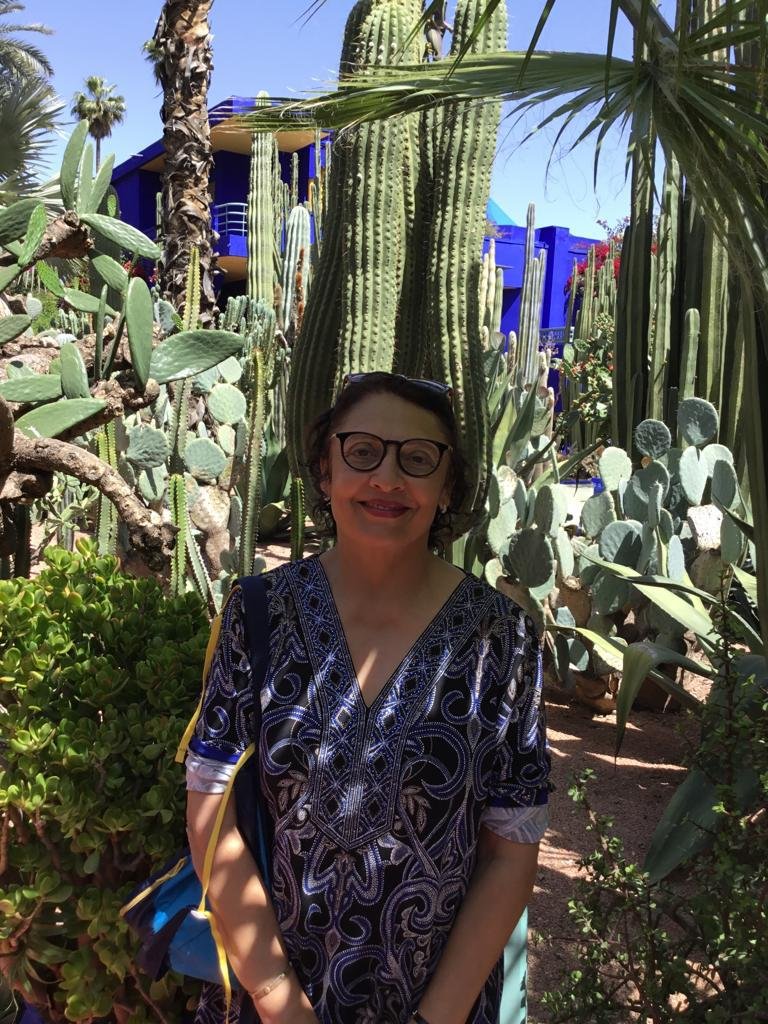
Majorelle Garden a botanical garden was created by the French Orientalist artist, Jacques Majorelle. In the 1980s, the property was purchased by the fashion designers, Yves Saint-Laurent and Pierre Bergé who worked to restore it. Today, the garden and villa complex is open to the public. The villa houses the Islamic Art Museum of Marrakech, the Berber Museum and has recently opened the Musee Yves Saint Laurent. The jewelry in the Berber Musuem is mind blowing intricate carvings massive beads and colored enamel chunky the women must have a tough time moving their heads and body. Unfortunately no photos.
Love room showing a poster depiction of almost every year after 1980
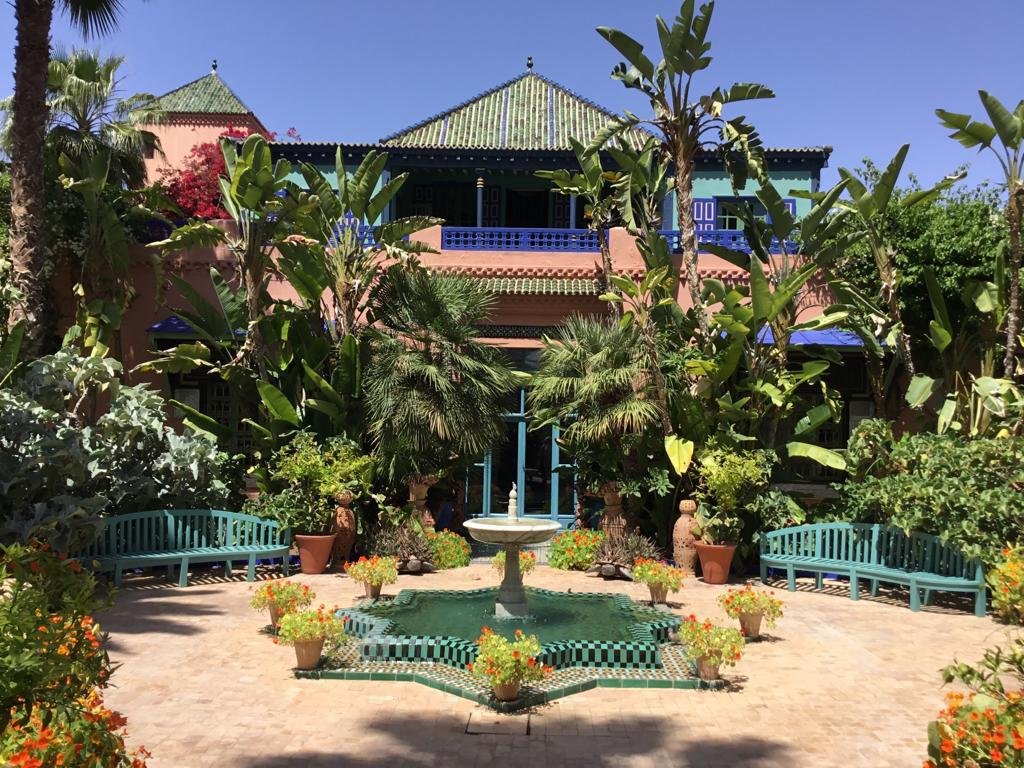
Private home of YSL
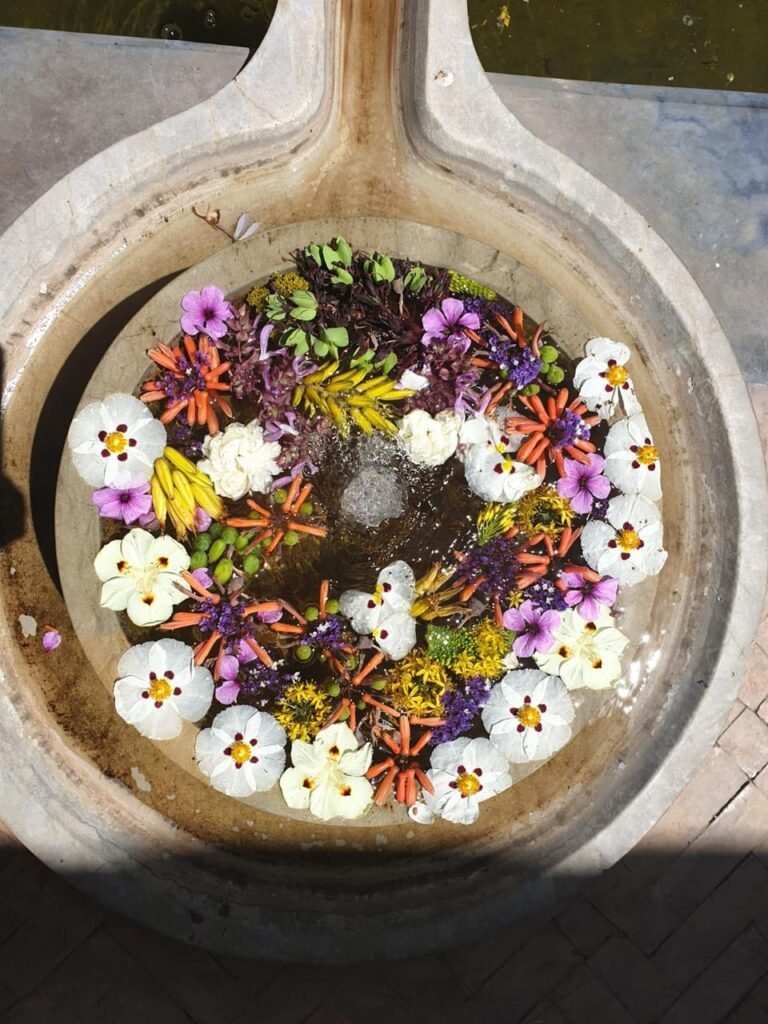
And thus ended my adventure in 🇲🇦 . A country of color, flowers and fruits, fountains and most of all medinas